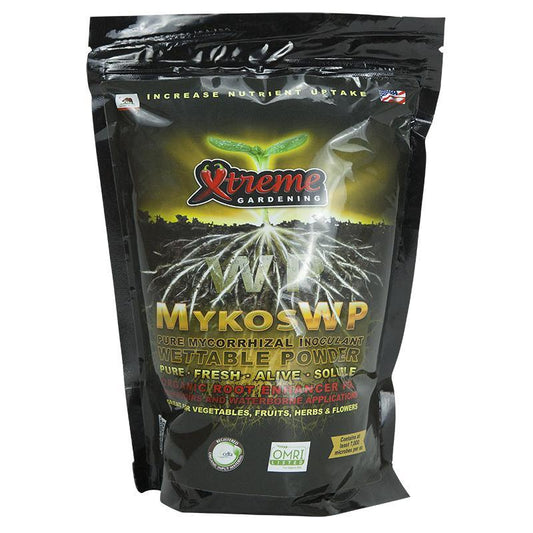
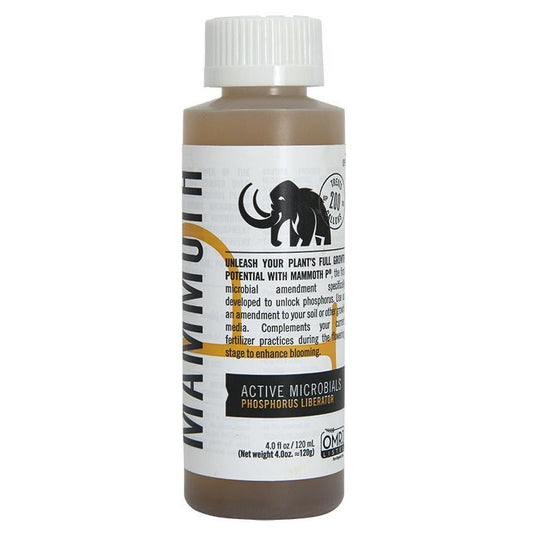
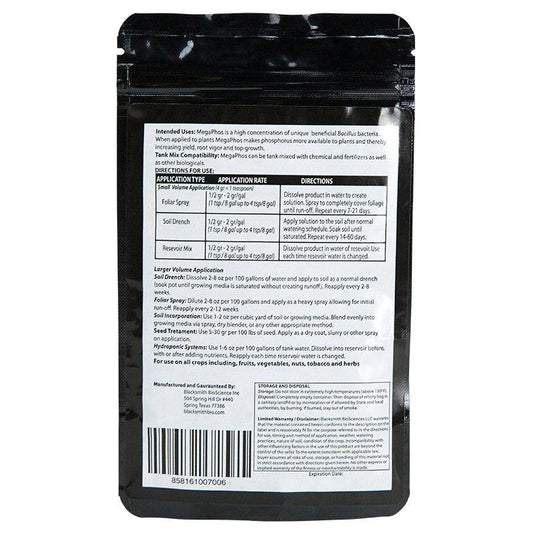
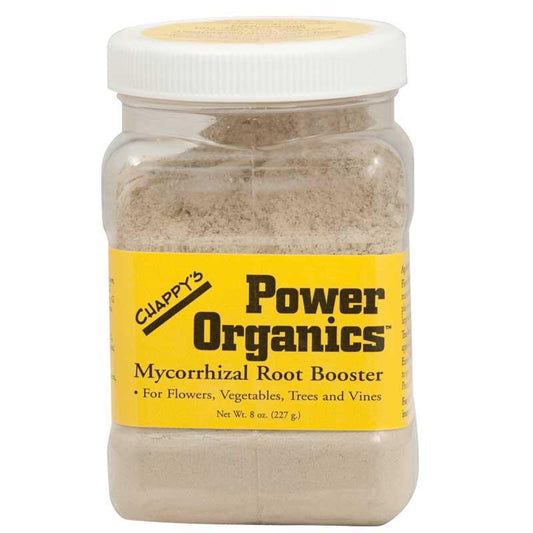
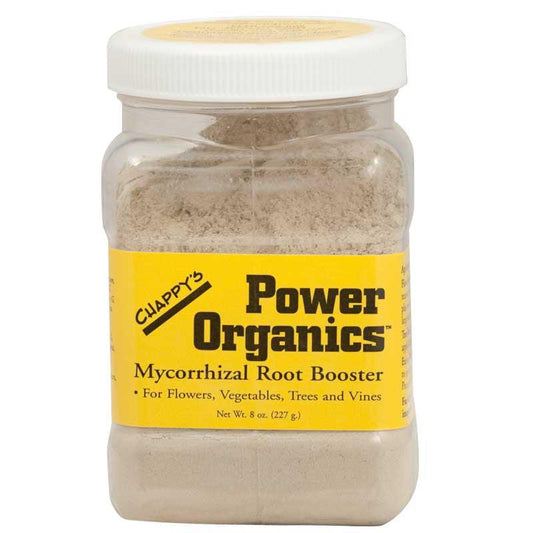
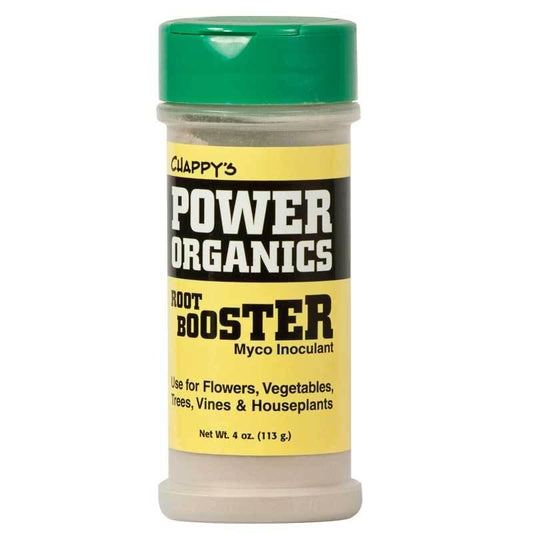
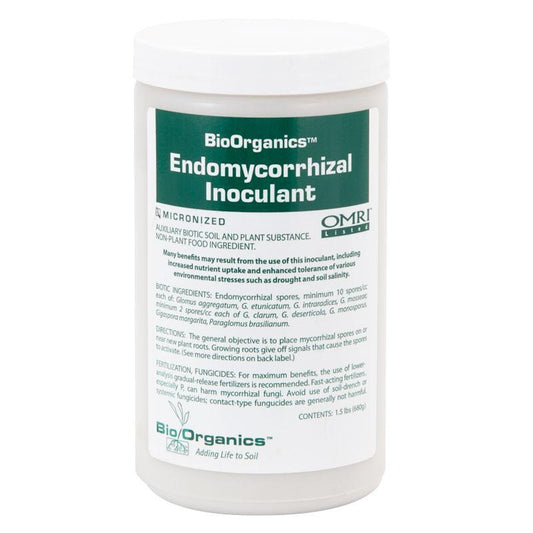
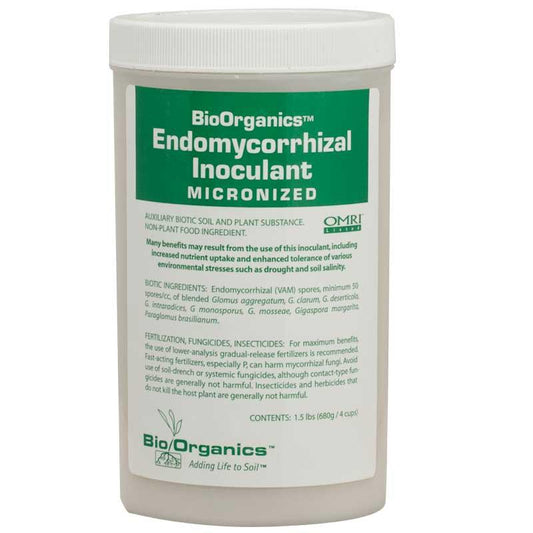
Dry, compacted, saline, low-organic-matter, or otherwise marginal soil can limit root growth. A microbial inoculant may be considered for a compatible crop and a documented root-zone use, but it cannot replace diagnosis or correct the physical and chemical conditions that prevent establishment.
Identify the limiting condition first
“Poor soil” can mean very different things. Test or inspect for pH, salinity, drainage, compaction, organic matter, nutrient status, irrigation uniformity, and rooting depth. Address severe limitations before expecting a living product to establish near roots.
- Compaction may require traffic control, suitable cultivation, or long-term organic-matter management.
- Salinity requires an appropriate crop, water-quality assessment, drainage, and leaching strategy where feasible.
- Low-water landscapes still require enough establishment water for the plant and applied organisms.
- Very high or low pH can restrict roots and nutrient availability regardless of inoculation.
Choose by crop and placement
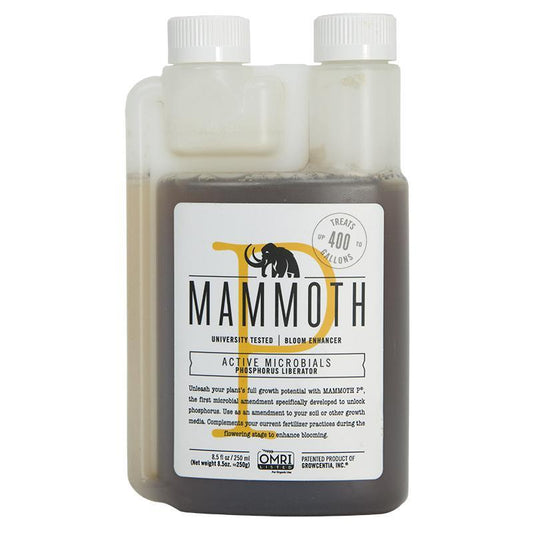
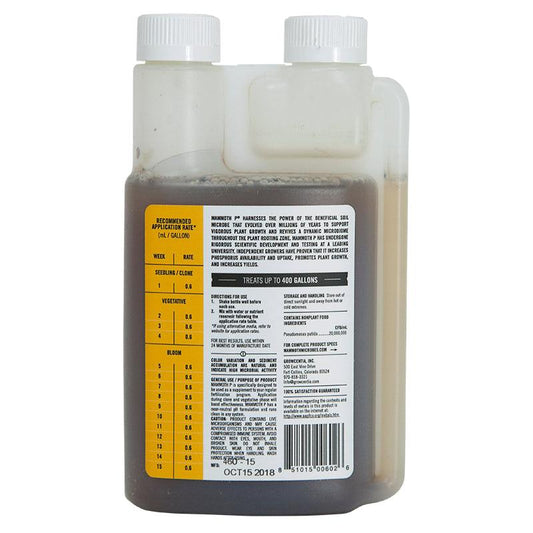
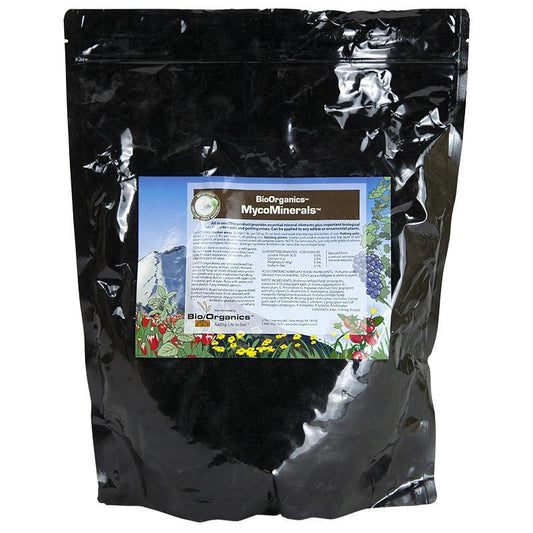
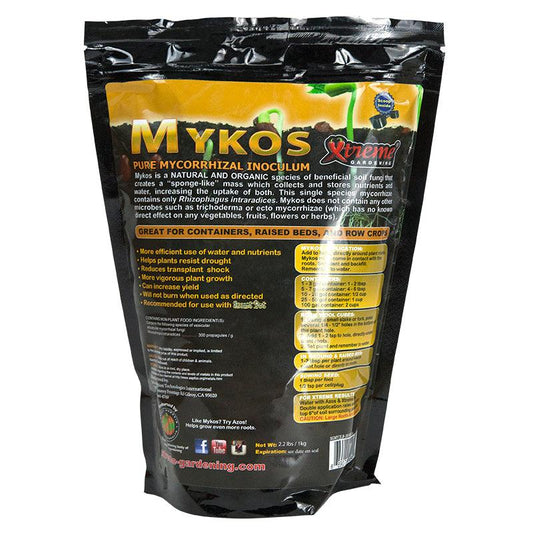
Confirm whether the product contains mycorrhizal fungi, rhizobia, bacteria, or a blend and whether the crop is compatible. A root-associated product should be placed against seed or new roots at the labeled rate. Broadcasting a small quantity across dry ground may not create useful contact.
For new plantings, coordinate application with irrigation so roots can establish without waterlogging. For established plants, verify that the labeled method reaches active roots. Do not assume a soluble product can be injected through every irrigation system; check filtration, mixing, agitation, and injector directions.
Do not promise drought tolerance
Some microbial relationships are studied in relation to water and nutrient acquisition, but a packaged product should not be advertised as guaranteed drought protection. Crop selection, planting season, root-zone volume, irrigation scheduling, mulch, weed control, and soil structure remain primary.
Storage, fertility, and compatibility
Check expiration and storage conditions before using a living product in a challenging site. Coordinate fertility with soil testing. Excess fertilizer, incompatible pesticides or fungicides, or poor-quality water may interfere with the intended application. Physical tank compatibility does not prove biological compatibility.
Use a comparison
If practical, treat a defined group and maintain a comparable untreated group. Record survival, establishment, irrigation, soil conditions, and product handling. Avoid attributing differences to the inoculant without considering site variation.
Continue planning
Start with Microbial Inoculants: Types, Uses and How to Choose. For compatible root-zone fungi, see Mycorrhizal Inoculants: Benefits, Types and How to Apply. Compare current products only after the site and crop requirements are defined.
Product labels and product-specific documentation remain controlling.