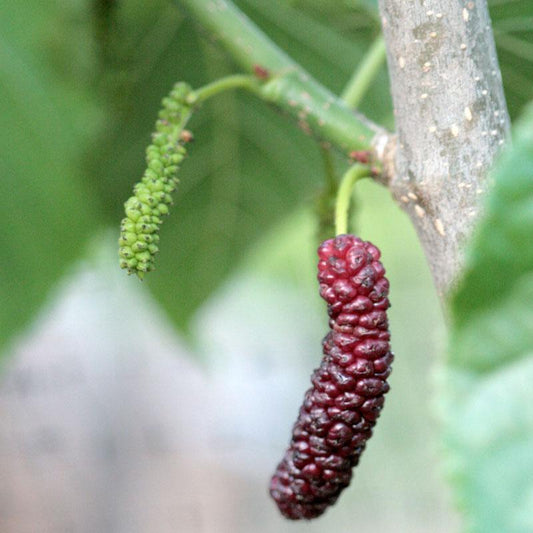
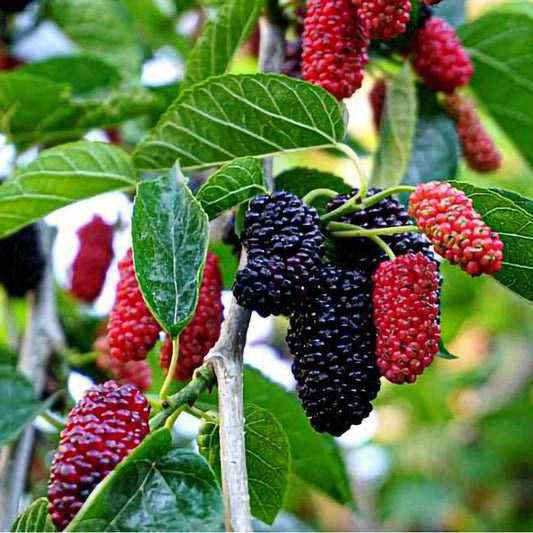
Mulberry Trees Grown in Dry Western Climates

Mulberry Trees Grown in Dry Western Climates

Mulberry aren’t just tough—they are also cooperative.

In the hot, water-stressed areas of the West, a good irrigation plan helps this strong tree produce well.

This guide shares easy watering tips for Zones 8–10. It explains why mulberries handle heat better than other fruits. It also shows how to stop fruit from falling when summer is hot. You will find tips specific to California.

There are also equipment tips for efficient delivery. Plus, you will learn simple, sustainable habits to make every gallon last longer.

Mulberries Are Drought‑Tolerant—With a Plan

Mulberries evolved for heat, wind, and seasonal dry spells. Calling the species mulberry drought tolerant is fair—but that doesn’t mean “ignore the hose.” To translate toughness into harvests, focus on three principles:

  • Deep soil moisture in the root zone. Light, frequent sprinkles train roots to stay near the surface—exactly where heat and dry wind take water first.
  • Even supply during fruit set and sizing. Irregular watering at the wrong time triggers fruit shed.
  • Protected soil. Organic mulch and biology are your “first irrigation system,” slowing evaporation and increasing infiltration.

California Rare Fruit Growers (CRFG) notes mulberries’ adaptability and overall drought tolerance; mainstream guides emphasize steady moisture to reduce stress and limit drop during ripening. Pair the two ideas and you get a simple thesis: water less often, more deeply, and more consistently when it counts.

Zones 8–10: Translating Climate to Water Needs

Zones 8–10 share long, warm/hot seasons and mild winters. The practical effect is higher evapotranspiration (ET).

In zones 8-10 plants draw water from the soil and leaves lose it faster and for more days each year. That's why the watering needs for mulberries in zones 8 to 10 are different. This is especially true from late spring to early fall.

  • Sandy soil surfaces like those found in coastal areas and desert edges need careful watering. You should split the run times to avoid runoff. This means you will need to water more often.
  • Loams (many valley bottoms): ideal for deep, infrequent soaks.
  • Clays (foothills, some valley pockets): water slowly and in pulses so infiltration keeps up; extend intervals to avoid saturation.

Keep those patterns in mind when building your mulberry watering schedule.

A Practical Mulberry Irrigation Schedule

Use these amounts of water as a starting point, then adjust to your climate, soil, and tree size. The goal is a root zone moist to 12–24 inch radius after each session.

Newly planted (first season)

  • Spring: 5–10 gallons/week total, split into 2 deep watering sessions.
  • Summer: 8–15 gallons/week total, split into 2–3 watering sessions; mulch with organic matter promptly.
  • Heat waves: Add a short extra cycle; water before dawn to reduce loss.

Established trees (years 2+)

  • Spring: One deep soak weekly (10–15 gallons for a modest canopy; more for large trees).
  • Early–mid summer: Two deep soaks weekly.

Extreme heat: Three shorter soaks spread across the week, or split morning/evening runs on permitted days.

For a quick summary, your mulberry irrigation schedule is “water deep, then wait.” Shorten the waiting time when it gets hot and windy. When neighbors ask about watering a mulberry tree, the simple answer is:

"Water it enough to keep the roots moist while the fruit is growing." Check the soil, not the calendar.

California‑Specific Guidance: Watering to Avoid Fruit Drop

California’s Mediterranean pattern—rains concentrated in winter, long dry summers—demands timing discipline. You can prevent mulberry fruit drop drought problems in July and August by following three California‑tested habits:

  • Water ahead of heat. Don’t wait for leaves to flag. Moist soil cools roots and carries trees through hot afternoons.
  • Split permitted watering days. Half before sunrise, half near dusk gives steadier moisture without violating restrictions.
  • Protect the basin. Renew mulch before heat season and widen your irrigation ring as the canopy expands.

Erratic watering mulberry trees in summer often leads to stress and drop. In California’s interior valleys, that means you water more evenly rather than simply more often.

Drip Delivery That Works: Efficient Hardware for Dry Climates

You will save water and get better results with drip irrigation for mulberry trees. This system uses rings of emitters that deliver water slowly to the entire root zone.

  • Small/young trees: One 18–24 inch ring with four 1‑gph emitters works well.
  • Midsize trees: Two concentric rings or a larger loop with six to eight 1‑gph emitters.
  • Large canopies: Consider two zones so you can run longer without runoff.

Pulse irrigation helps heavy soils: run 20 minutes, rest 20, repeat until you reach your target volume. Check the wetted radius a couple of times per season and move emitters outward as the canopy grows.

Watering Young Mulberries vs. Mature Trees

Watering young mulberry tree establishment is about root exploration: consistent moisture encourages roots to chase water down and out. That frees you from constant hose duty in year two.

Year 1: Keep the planting basin evenly moist—not soggy. Shade the south/west side of the trunk and basin with mulch to keep roots cool.

Year 2: Start stretching intervals while keeping depth. Your training goal is a tree that can handle one deep soak a week in shoulder seasons and two in peak summer.

Mature trees tolerate longer gaps between waterings, but they still respond to consistency with bigger, cleaner crops.

Mulch and Soil Life: The First Line of Drought Defense

If you only adopt one habit, make it mulch. The best mulch for mulberry is a 3–4 inch layer of coarse wood chips spread well past the drip line and kept a couple inches off the trunk. The benefits are immediate:

  • Mulch reduces surface evaporation retaining moisture levels.
  • Creates a cooler root zone
  • Better water and nutrient infiltration (less runoff and soil erosion)

Steadier microbial activity for nutrient cycling

Top‑dress with compost under the chips each spring to feed soil life. Healthy soil holds water like a sponge. They release it slowly, which is what fruit trees need when the forecast is “sunny and dry, again.”

Summer Heat Playbook: Keep Fruit On, Not Off. When forecasts hit triple digits, tighten the system:

  • Shade the basin with intact mulch; avoid bare soil and soil compaction.
  • Split runs on permitted days (AM/PM) to keep the profile moist without overdoing it at once.
  • Thin a little early on heavy crops; fewer berries size better under stress.
  • Harvest promptly. Ripe or nearly ripe fruit invites birds and fruit flies, and lingering fruit increases water demand with little benefit.

If fruit still sheds, inspect the profile: dig a narrow test hole to a foot deep just outside the emitter line. If soil crumbles bone‑dry, increase run time; if it’s soupy, lengthen intervals and pulse.

“How Much Water” Without Guessing

A practical field method beats guesswork:

  • Pick a volume (say, 10 gallons) and run it through your drip system.
  • Probe the soil 12–18 inches down with a long screwdriver or narrow trowel right after the cycle ends.
  • Adjust until that depth feels uniformly moist but not smeary.
  • 24 hours later re-check the soil. If the top 2–3 inches are already powder‑dry in peak summer, you likely need a second weekly run.

This routine turns mulberry watering schedule decisions into quick, repeatable checks rather than debates.

Varieties and Regional Fit

All common garden types—white, red, black, and hybrids—benefit from the same water logic. In hotter, drier areas, long‑season selections like ‘Pakistan’ shine with reliable deep watering during sizing. ‘Illinois Everbearing’ shows admirable flexibility across soils. Dwarf trees such as ‘Gerardi Dwarf’ and ‘Dwarf Everbearing’ adapt well to tight yards and patios; their smaller canopies make water delivery simpler and more precise.

Sustainable Tweaks That Stretch Supply

  • Rain capture: Even a single barrel dedicated to trees buys insurance during heat spikes.
  • Greywater (where allowed): Laundry‑to‑landscape systems can supplement basins if soaps are low in salts and boron. Apply water to soil, not foliage.
  • Weed suppression: Keep basins weed‑free; weeds drink first and ask no permission.
  • Canopy discipline: Light summer tip‑pruning reduces leaf area slightly, lowering transpiration without sacrificing next year’s fruiting wood.

Conclusion

Mulberry trees earn their place in the water‑wise West by combining natural resilience with a forgiving temperament. Think of resilience as a partnership. Use drip irrigation to provide deep moisture.

Protect the soil with mulch and compost. Keep the supply steady during planting and sizing.

For Zones 8–10, water deeply twice a week in midsummer. If needed, add a split heat-wave cycle. Adjust the amount of water based on the soil and plant size, not just the calendar.

Together, they show one simple truth: if you plan your mulberry irrigation schedule carefully, you will succeed. Know how much water your mulberry trees need in your area. Water young mulberry tree roots early. Your tree will reward you with sweet, juicy fruit. This proves that watering mulberry trees in summer can be efficient, sustainable, and abundant.


FAQ: Mulberry Trees Grown in Dry Western Climates

Are mulberries truly drought-tolerant?
Yes—mulberries handle heat, wind, and seasonal dry spells well. But “drought-tolerant” doesn’t mean “no water.” They perform best with deep, intentional watering.
What’s the biggest watering mistake people make with mulberries?
Frequent light sprinkling. It trains roots to stay near the surface, where soil dries fastest—especially in hot, windy weather.
How deep should the soil get wet after watering?
Aim for moisture reaching 12–24 inches deep into the root zone after each irrigation session.
How often should I water a newly planted mulberry (first season)?
Spring: 5–10 gallons/week, split into 2 deep waterings Summer: 8–15 gallons/week, split into 2–3 waterings Heat waves: add a short extra cycle and water before dawn to reduce losses
How often should I water an established mulberry (year 2+)?
Spring: one deep soak weekly (often 10–15 gallons for a modest canopy) Early–mid summer: two deep soaks weekly Extreme heat: three shorter soaks per week or split runs (AM/PM) where allowed
Why do mulberries drop fruit during hot summers—especially in California?
Fruit drop is often triggered by stress from irregular watering during fruit set and sizing. In California’s long dry summer pattern, steadier moisture (not random rescue watering) helps keep fruit on the tree.
What drip irrigation setup works best for mulberries?
Use rings of emitters so water reaches the full root zone: Young trees: 18–24" ring + four 1-gph emitters Midsize: larger loop or two rings + 6–8 emitters Large canopies: consider two zones to run longer without runoff
What is pulse irrigation and when should I use it?
Pulse irrigation means watering in intervals (example: 20 minutes on, 20 off, repeat). It’s especially helpful in clay/heavy soils so water can soak in instead of pooling or running off.
What’s the best mulch strategy for mulberries in dry climates?
Spread 3–4 inches of coarse wood chips well past the drip line, but keep mulch a couple inches away from the trunk. Add compost under the chips in spring to improve water-holding soil life.
How do I figure out “how much water” without guessing?
Pick a target volume (like 10 gallons), water using your system, then check moisture 12–18 inches down right after watering. Adjust runtime until that depth is evenly moist. Re-check 24 hours later—if the top few inches are already powder-dry in peak summer, you likely need a second weekly run.
Back to blog

Leave a comment

Please note, comments need to be approved before they are published.