Say Goodbye to Codling Moth Worms: How to Control Codling Moths Organically
Nothing is more frustrating for gardeners and orchard enthusiasts than discovering codling moth damage. Biting into a ripe apple or pear only to find brown decay—or worse, a worm—is disheartening. Similarly, spending time shelling walnuts only to find frass (insect droppings) instead of a nut can feel like a battle lost.
Luckily, there are effective organic solutions for codling moth control. In our video, Codling Moth—How to Keep the Worms Away Organically, Tricia demonstrates the various methods available to combat these pesky pests. Below, we’ll dive deeper into biological controls, monitoring strategies, and how to protect your fruit and nut harvests.
Monitor Codling Moth with Traps

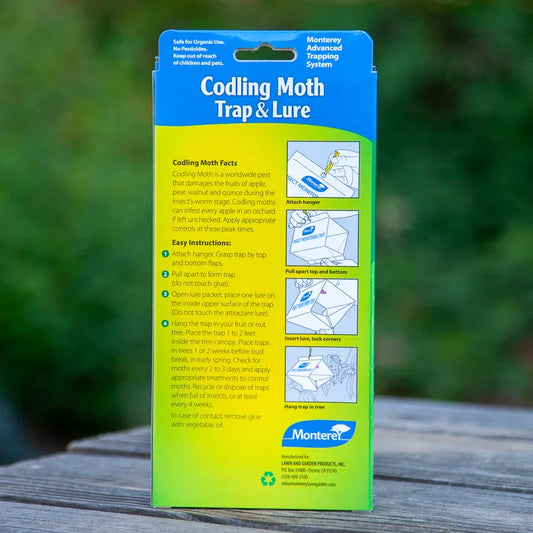
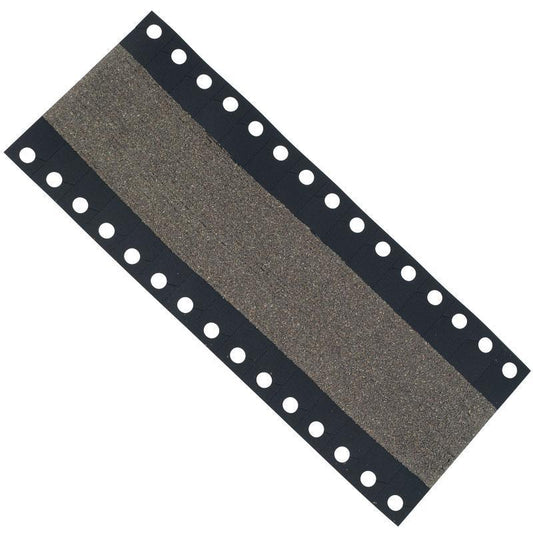
The Monterey Codling Moth Trap & Lure - 2pk is an effective tool for monitoring adult codling moth activity in home orchards. These traps use a pheromone lure to attract male moths, helping gardeners detect when moths are active and determine the proper timing for control measures.
Monitoring is a critical first step in codling moth control. By tracking moth flights, you can better time cultural practices or organic treatments before larvae enter fruit or nuts. Traps may also help reduce mating pressure in smaller plantings by capturing male moths.
Place traps in apple, pear, or walnut trees at the beginning of the growing season and check them regularly to assess moth activity.
How Does Codling Moth Granulosis Virus Work?
For codling moth granulosis virus (CpGV) to work, the codling moth larvae must ingest the virus. Here’s how the process unfolds:
- Ingestion: Larvae feed on treated surfaces such as leaves, fruit, or nuts.
- Infection: Once ingested, the virus replicates within the larva's cells, spreading to other organs.
- Cease Feeding: Within a few days, the infected larva stops feeding.
- Death and Spread: The larva eventually dies and breaks down, releasing viral particles that can infect other codling moth larvae.
This cycle makes CpGV effective when properly timed, because each infected larva can contribute to reducing the overall codling moth population.

Why Choose CpGV?
1. Target Specificity
One of the greatest benefits of CpGV is its specificity. It targets only the codling moth, leaving beneficial insects, fish, wildlife, and humans unaffected. While some related moth species may be susceptible under lab conditions, these species are not present in North America.
2. Organic and Safe
CpGV is an approved method for organic codling moth control, making it an excellent choice for gardeners and growers committed to sustainable practices.
Timing of Application
Timing is critical for successful results. The first codling moth flight usually occurs from early March to early April, depending on the weather. Female moths lay eggs on leaves or near developing fruit, and the eggs hatch within 5–20 days depending on temperature.
- Ideal Timing: Apply biological treatments at egg hatch when small larvae are actively seeking food. This is typically about 250 degree days after the biofix (when adult moths are first trapped using pheromone traps).
Why Timing Matters
Codling moth larvae begin burrowing into fruit or nuts within 1–2 days after hatching, making them difficult to target once inside. Timing treatments to coincide with egg hatch ensures larvae are exposed before they burrow and become protected.
For commercial growers, tracking degree days and monitoring traps is essential for precise timing. Home gardeners can achieve good results by combining visual inspections with regular monitoring.
Additional Codling Moth Control Methods
Combining multiple organic codling moth control methods can further enhance your success:
- Pheromone Disruption: Use pheromone dispensers to confuse male moths and reduce mating success.
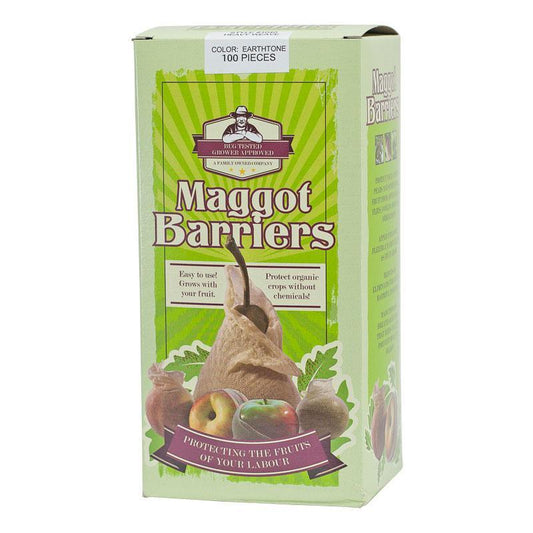
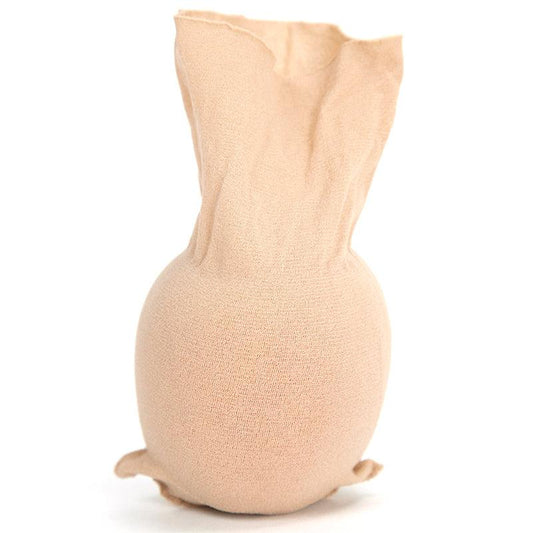
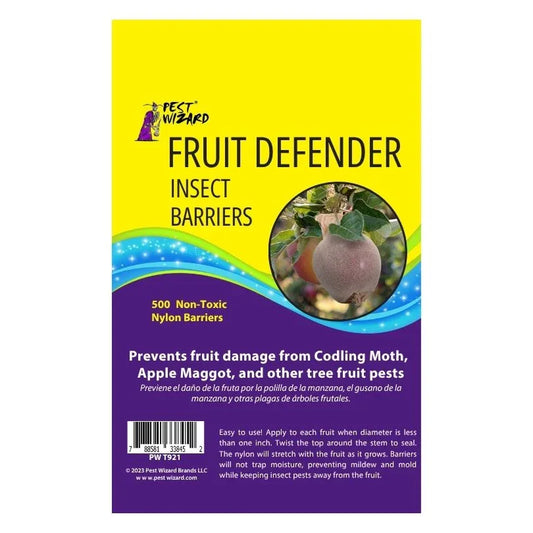
- Bagging Fruit: Protect individual fruits with bags to prevent larvae from entering.
- Garden Sanitation: Remove fallen fruit and debris to eliminate overwintering sites for codling moth larvae.
Why Fight Codling Moths Organically?
Organic pest control methods preserve beneficial insects that support a healthy ecosystem. By choosing organic solutions, you contribute to sustainable gardening and protect your food from unnecessary chemical residues.
Save Your Harvest
Don’t let codling moth larvae ruin your apples, pears, or walnuts. By implementing a strategic approach to monitoring and timing, you can effectively manage codling moth populations and enjoy a bountiful harvest.
With tools like pheromone traps, organic sprays, and careful observation, you’ll be well-equipped to tackle this common pest.
Conclusion
Controlling codling moths organically is all about monitoring, timing, and using targeted solutions. The codling moth (Cydia pomonella) can cause serious damage to apples, pears, and walnuts, but with the right strategy, you can significantly reduce infestations without relying on harsh chemicals.
By monitoring adult flights with pheromone traps, applying biological controls like Codling Moth Granulosis Virus (CpGV) at egg hatch, and practicing good garden sanitation, you interrupt the pest’s life cycle before larvae burrow into fruit. Combining methods—such as fruit bagging, mating disruption, and timely organic sprays—provides even stronger protection.
Organic control not only protects your harvest but also preserves beneficial insects and supports a healthier orchard ecosystem. With careful observation and proper timing, you can keep worms out of your fruit and enjoy a clean, productive growing season.
FAQs About Codling Moth Virus
What is the codling moth virus?
Where are codling moths found?
What are the signs of codling moth infestation?
Is codling moth harmful to humans?
When is the best time to treat codling moths organically?
Resources
- UC IPM: Pests in Gardens and Landscapes—Codling Moth
- UC IPM: How to Manage Pests—Codling Moth and Walnuts
🔍 Resource Area: Understanding Codling Moth Cycles
Learn the lifecycles and generation timing of codling moths to improve your monitoring strategy:
7 comments
Jim, the company that makes CDY-X is no longer offering the smaller size.
Why can’t I order the small container of CDY-X like have in the last two years? I would like to order two small containers of CDY-X and a pair of codling moth traps.