

Codling moth granulosis virus, commonly abbreviated CpGV, is a baculovirus used in certain registered biological insecticides for codling moth larvae. This page focuses on how that active ingredient works and why timing and label compliance determine whether a product is appropriate.
How CpGV affects codling moth larvae
Larvae must ingest virus particles from a treated surface. Infection then develops within susceptible larvae. Because newly hatched larvae soon enter fruit or nuts, exposed surface-feeding time can be brief.

Timing begins with monitoring
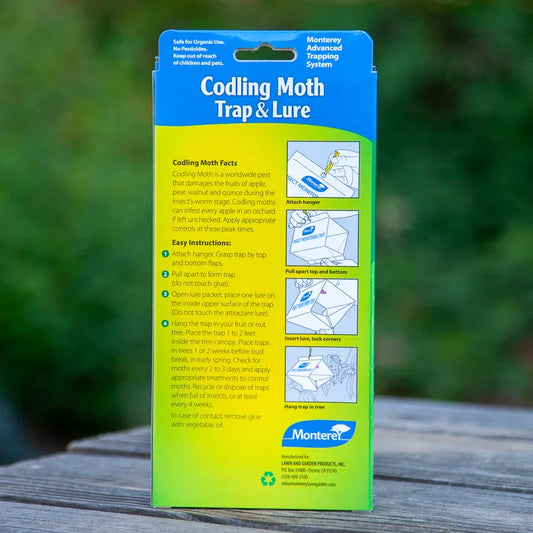
Use pheromone traps to detect adult flight and consult a local degree-day model or Cooperative Extension guidance to estimate egg hatch. Calendar dates and a universal degree-day number are unreliable across climates, generations, trap types, and model systems.

The registered product label controls
“Naturally occurring” does not remove the need to follow the pesticide label. Confirm that the product is currently registered for the crop and target pest, then follow its directions for rate, coverage, timing, repeat applications, storage, protective equipment, harvest interval, and environmental precautions.
Organic eligibility also belongs to the specific product and use—not to CpGV as a blanket claim. Certified operations should confirm current input approval with their certifier.
Use CpGV within an integrated plan
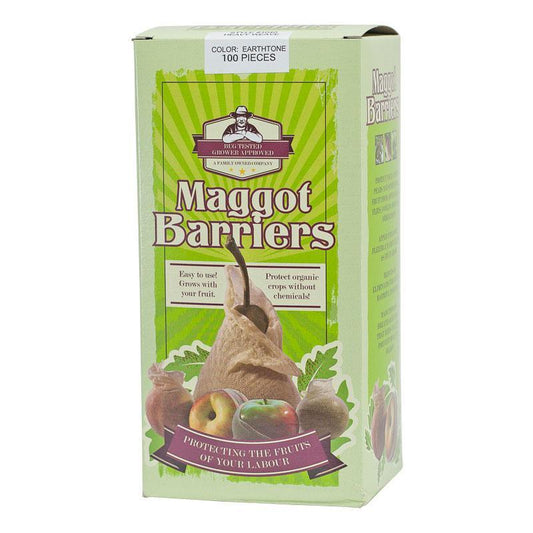
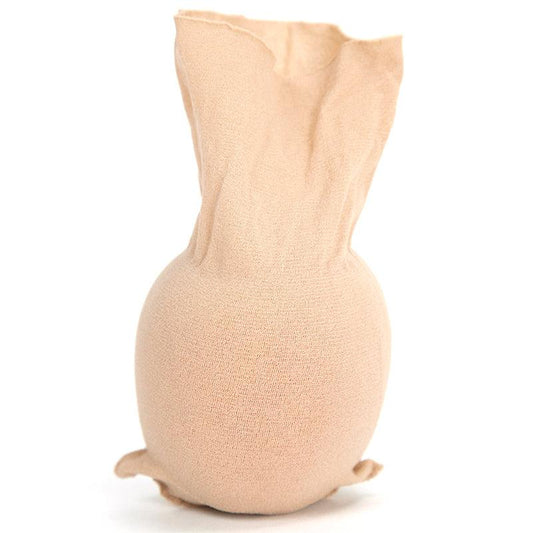
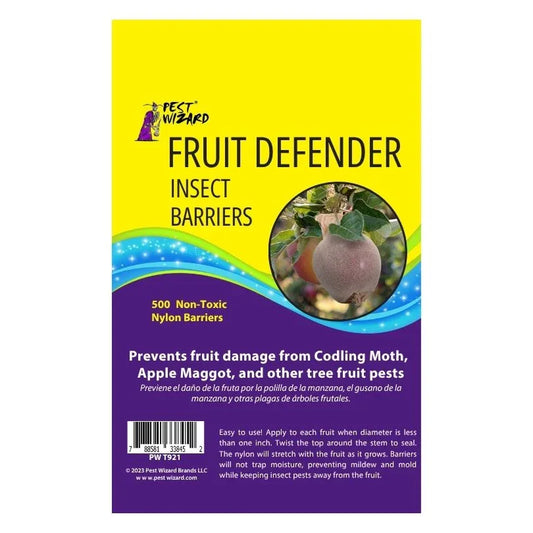
Combine monitoring and any justified treatment with prompt removal of infested fruit, post-harvest sanitation, and fruit barriers where practical. Resistance management and rotation instructions on the label are especially important when repeated generations require treatment.
For the complete strategy, see Organic Control of Codling Moths. For generation timing, read Understanding Codling Moth Generations.
Related Pest Control Resources
Content role: Supporting guide · Topic: Codling moth & apple worms
- Worms in Apples: Tips for Dealing with a Worm in Apple and Preventing Apple Worms
- Pest Control Solution Chart
- Browse Insect Control products
- Choosing the Right Apple Tree fruit-tree guide
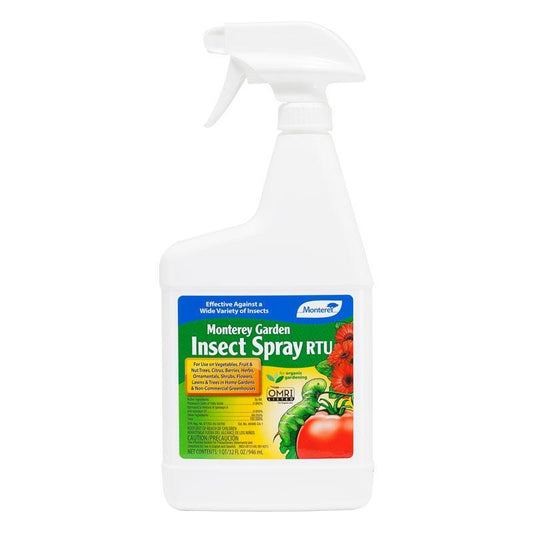
Identify the pest or problem first. For pesticides, repellents, traps, and biological controls, confirm that the current label or directions cover the target site and pest. Follow all directions and precautions.



7 comments
It would be great if Peaceful Valley could give an evening or day time workshop on how to properly spray the virus solution. Then depending on who came to the class we could decide to all go out for coffee — or divide up a quart of something wink, wink.
How long does the virus remain viable if kept refrigerated? I have some I’ve had for several years. Is it still good? Does freezing it kill the virus?
Rosemary, we could not do what you are suggesting unless we went through the registration process with the California state agency. We would not be able to advertise for you either. I know it is a very expensive bottle and most home orchard keepers do not need that much every year. You might get together with other people in your neighborhood and go in together on the bottle. Then the cost is a little less painful.
Would it be legal for Peaceful Valley to take a quart of CYD-X and divide it into small containers for individual sale? Could a customer do it and leave contact information?
CYD-X in small amounts was expensive as it was, but it’s really cruel of the manufacturer to offer it only in large amounts. I froze mine, and maybe it will still work. Sure hope so because I know that it did work, since codling moth has all but disappeared from my two Grannies. Perhaps the manufacturer could reconsider. If it were better known to home orchard growers, they could sell a lot of it.