Peach Tree Care and Peach Tree Diseases: Diagnose 10 Issues

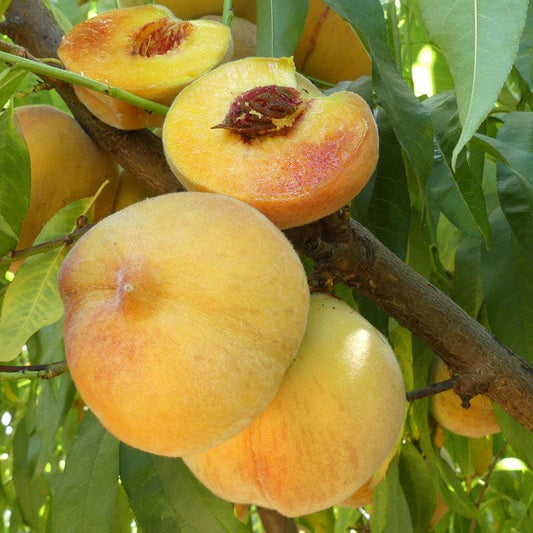
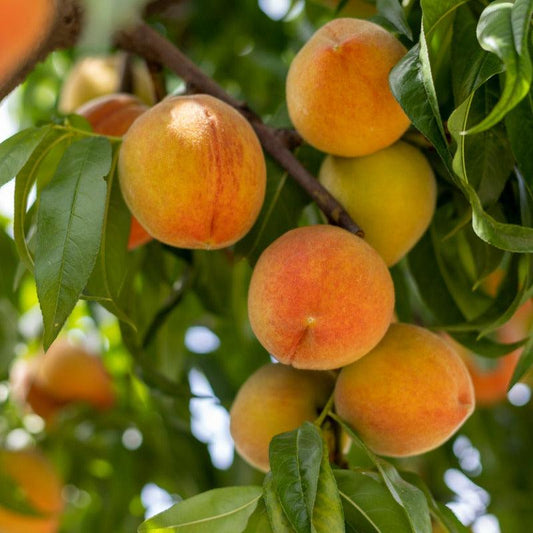
Peaches on Tree

Beyond Leaf Curl: Peach Tree Care Tips for Identifying Hidden Peach Tree Diseases

Healthy peach trees reward you with fragrant blossoms in spring and juicy harvests in summer, but even well-cared-for fruit trees can develop issues that look confusingly similar to peach leaf curl. If you've already checked trusted resources like this guide to peach leaf curl control or watched the helpful peach leaf curl video and you know leaf curl isn’t the culprit, the next step is understanding what other peach plant diseases and peach tree pests might be affecting your tree.

This expert-but-approachable guide is designed for beginner and intermediate gardeners who want to improve their peach tree care, learn how to take care of a peach tree, and confidently diagnose peach tree fruit problems that appear during the growing season. You’ll also find suggestions for resilient peach variety options—such as Frost, Contender, Kaweah, and Arctic Supreme—available in our Bare Root Peach Trees collection.

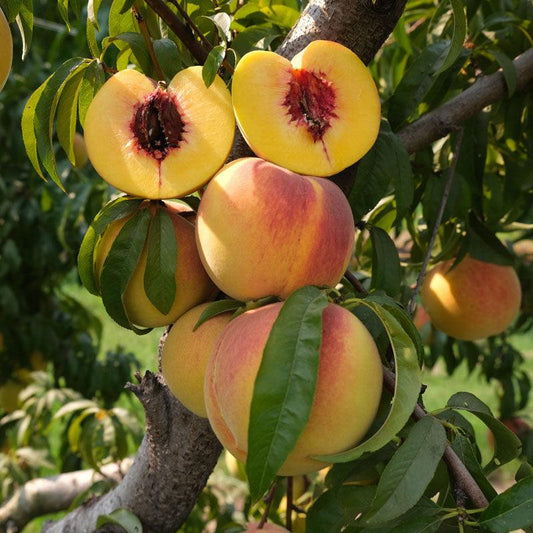
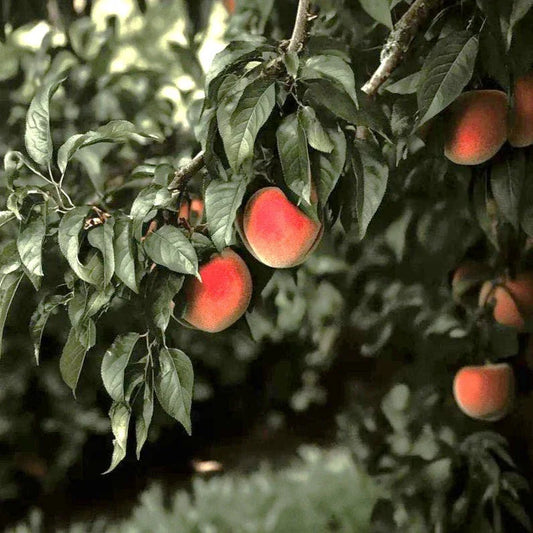
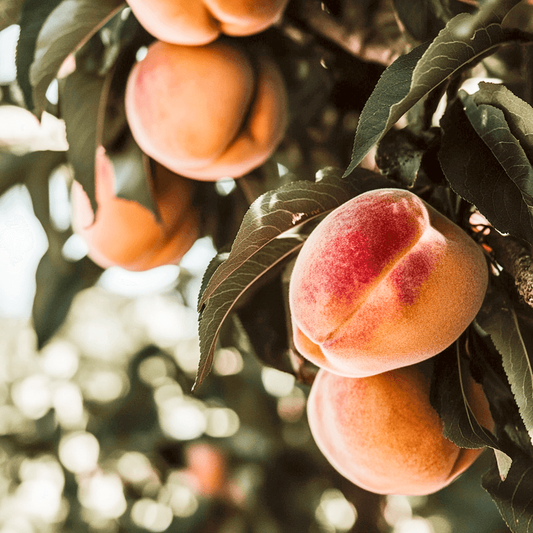
Peaches Fruits Hanging on a Tree

Start With Strong Foundations: Essential Peach Tree Care

Good cultural practices reduce most peach plant diseases, peach pests, peach fruit diseases, and environmental stress.

Match your climate

Before planting your peach tree, confirm your USDA zone using our guide (find your USDA growing zone).

Location matters

Peach trees need full sun, warm soil, and good airflow. Setting the tree too deep in the soil can cause declines; the soil line should meet the trunk flare exactly where the root system widens at the base of the tree.

Choose draining soils

Peaches prefer well-draining soils, especially to avoid root rot and other peach tree diseases.

Plant during dormancy

The best time for how to care for peach trees from day one is to plant in winter or early spring.

Water correctly

Consistent moisture helps reduce early-season stress. See How often should you water a newly planted peach tree? for specific guidelines.

Start with a strong variety

Resistant and adaptable varieties naturally reduce pest and disease pressure:

10 Peach Tree Problems That Aren’t Leaf Curl—And How to Diagnose Them

Powdery Mildew

Below are the most common issues home gardeners misidentify as leaf curl—and what they actually indicate.

1. Brown Rot

Brown rot is one of the most destructive peach tree fruit diseases, attacking blossoms, shoots, and ripening fruit.

How to Recognize Brown Rot

  • Blossoms wilt early in the growing season
  • Soft brown spots on fruit that spread quickly
  • Fuzzy tan mold
  • “Mummified” fruit remaining on branches

Treatment

Remove infected fruit, prune to improve airflow, and apply dormant sprays. Disease-resistant choices like the Frost Peach Tree help reduce recurrence.

2. Peach Scab

Peach scab is a fungal disease that primarily affects the fruit surface.

Symptoms

  • Small olive-colored spots on fruit
  • Scabs clustered near the stem
  • Minor cracking in serious cases

Management

Prune to improve air circulation, avoid wet foliage, and thin fruit. Scab rarely threatens tree health but does reduce fruit quality.

3. Powdery Mildew

Powdery mildew can resemble a peach tree leaf disease, especially when it distorts new foliage.

Signs

  • White powdery coating
  • Twisted leaves
  • Rough patches on young peaches

Prevention

Choose tolerant varieties like Suncrest, Belle of Georgia, or Arctic Supreme. Good airflow is central to peach plant care.

4. Bacterial Spot

Often mistaken for peach leaf curl, bacterial spot can cause significant peach tree leaf diseases and peach tree fruit problems.

Identifying Bacterial Spot

  • Reddish or purple angular spots
  • “Shot-hole” appearance in leaves
  • Scabby, cracked fruit

Treatment

Improve canopy airflow and apply copper sprays in winter. The Contender Peach Tree and Redhaven Peach Tree show good resilience.

Peach tree Rust disease example

5. Rust

Peach rust is a less severe but widespread disease on peach tree foliage.

Symptoms

  • Orange pustules on underside of leaves
  • Premature leaf drop
  • Reduced fruit production

Remove infected leaves from the base of the tree, avoid overhead watering, and prune for airflow.

6. Peachtree Borers

Peachtree borers cause some of the most serious peach tree disease-like symptoms, even though they are pests.

Warning Signs

  • Amber, jelly-like sap mixed with sawdust
  • Cracked bark at the soil line
  • Declining canopy
  • Weak fruit set

Control Methods

Apply beneficial nematodes, use pheromone traps, and keep the trunk clear. Vigorous varieties like Kaweah and O’Henry tolerate stress better.

7. Oriental Fruit Moths

Oriental fruit moths damage tender shoots and developing fruit.

Symptoms

  • Wilted shoot tips (“flagging”)
  • Entry holes in growing shoots
  • Twisted new growth
  • Occasional internal fruit tunneling

Prevention & Treatment

Use pheromone traps, prune infected shoot tips, and integrate beneficial insects for stronger pest control for peach trees.

Peach tree damage from mealy bugs

8. Ant-Related Damage

Ants do not cause peach diseases, but they protect aphids, scale, and mealybugs—leading to indirect peach tree pests and sooty mold. See our guide on how to keep ants from eating peaches.

Ant management is essential to long-term peach pest control.

9. Nutrient Deficiencies

Nutrient stress often imitates peach tree disease symptoms.

Common Signs

  • Pale foliage (low nitrogen)
  • Yellow leaves with green veins (iron deficiency)
  • Weak shoots (potassium issues)
  • Soft fruit (calcium deficiency)

Use our expert guide on fertilizing peach trees to improve nutrition and reduce diseases in peach trees.

10. Overwatering or Poor Drainage

Excess water causes leaf yellowing, early drop, and root rot, often mistaken for peach leaf diseases.

Signs

  • Persistently wet soil
  • Sour smell near the base of the tree
  • Weak, drooping growth
  • Reduced bearing fruit

Improve drainage, water deeply but infrequently, and avoid planting in heavy clay.

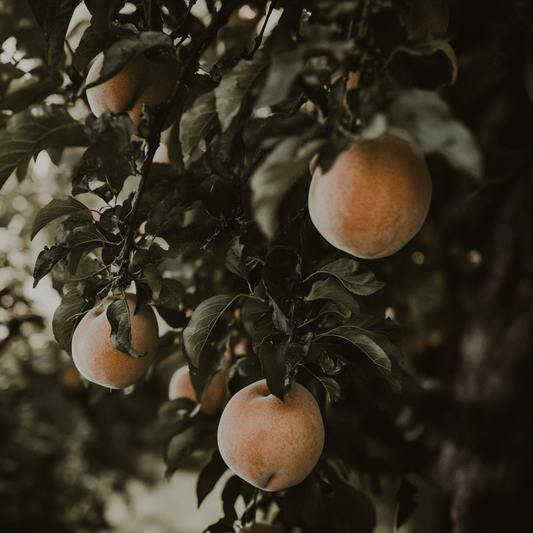
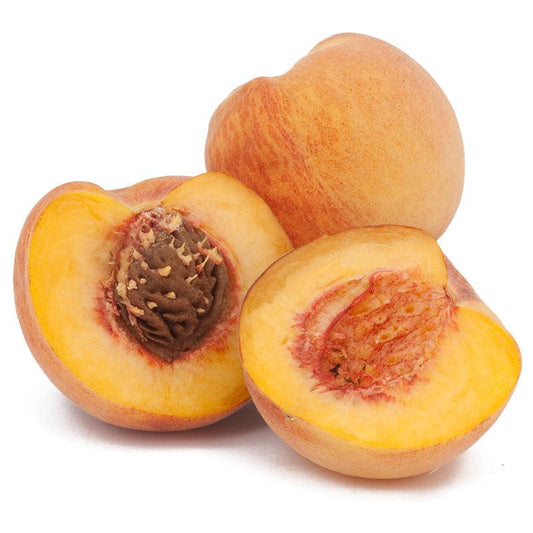
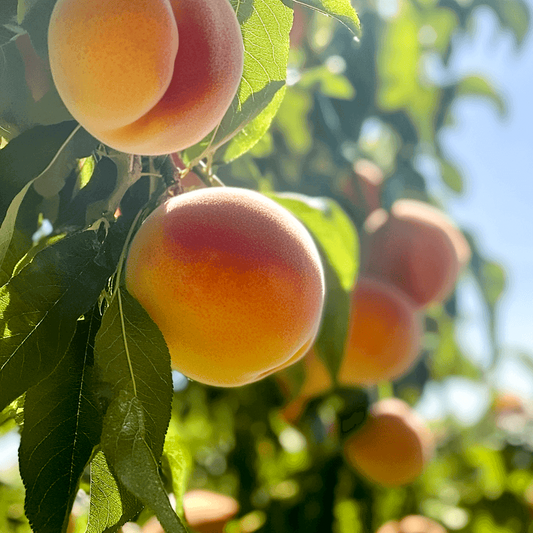
Close Up Photo of a Peach Fruit

Choosing Strong, Reliable Peach Varieties

Variety selection matters. For lower peach tree diseases and easier peach tree diseases treatment, choose resilient options:

  • Frost Peach Tree — good against fungal diseases like brown rot
  • Contender Peach Tree — cold-hardy and reliable
  • Kaweah Peach Tree — productive with excellent flavor
  • Arctic Supreme Peach Tree — vigorous white peach variety


Final Thoughts

Understanding how to care for a peach tree and recognizing the signs of emerging peach tree diseases gives you the confidence to act early and protect your harvest. With the right environmental conditions, thoughtful watering, and consistent peach plant care, even beginner gardeners can enjoy healthy, productive trees that continue bearing fruit year after year.

If you're planning to expand your orchard or replace a troubled tree, explore our curated bare root peach trees for strong, well-adapted varieties.


FAQs About Peach Tree Problems

What is a good maintenance schedule for peach trees?
Prune in winter, fertilize in early spring, monitor peach pests, thin fruit, water deeply, and apply dormant sprays annually—similar to standard care for peaches and nectarines.
How do you maintain a peach tree?
Support good airflow, use proper irrigation, ensure well-draining soils, and manage pest and disease issues early, just as you would when caring for peaches and nectarines.
What are common peach tree diseases?
Brown rot, peach scab, bacterial spot, rust, powdery mildew, and root rot are the most widespread issues affecting peaches and nectarines.
What diseases are dwarf peach trees prone to?
The same as full-size trees: peach tree leaf diseases, fungal infections, and insect pressure—problems shared by peaches and nectarines in all sizes.
What does a sick peach tree look like?
Yellowing leaves, sap oozing at the soil line, wilting, stunted shoots, or spotting on fruit and foliage.
When should you spray peach trees for fungus?
During dormancy and again at bud swell. High-pressure areas may require a petal-fall follow-up for both peaches and nectarines.
How do you save a dying peach tree?
Improve drainage, adjust nutrition, prune dead wood, treat peach tree pests, and follow researched peach tree diseases and treatment guidelines.
Can I spray vinegar on my peach tree?
No. Vinegar damages bark and leaves. Use approved organic sprays instead.
How do you treat peach trees for bugs?
Use dormant oils, beneficial insects, pheromone traps, and certified organic treatments for safer peach pest control.
How do you keep bugs from eating peaches naturally?
Remove fallen fruit, manage ants, encourage predators, and bag ripening fruit when needed—an approach that works well for both peaches and nectarines.
Back to blog

Leave a comment

Please note, comments need to be approved before they are published.