Pickled beets can be made as a refrigerated product or processed for shelf-stable storage. The same jar can look similar either way, but the safety requirements are different. Decide which method you are using before preparing the brine.
Refrigerator Pickled Beets
Refrigerator pickles remain refrigerated and are not shelf stable. Use a reliable refrigerator recipe, cool and store the product as directed, and follow its stated storage period. A refrigerator formula should not be placed in a boiling-water canner unless an authoritative tested source separately provides that process.
Shelf-Stable Pickled Beets
For canning, follow the NCHFP tested Pickled Beets recipe. It specifies the beet quantity and size, 5%-acidity vinegar, water, sugar, salt, optional ingredients, jar size, headspace, preparation, processing time, and altitude adjustments.
Do not use a generic “one part vinegar to one part water, adjusted to taste” rule for shelf-stable jars. Changing vinegar strength, water, vegetables, jar size, or processing can move the product outside the tested process.
Plain Beets Are Different
Beets are a low-acid vegetable. Plain beets require a tested pressure-canning process such as the NCHFP whole, cubed, or sliced beets directions. A boiling-water process for pickled beets cannot be applied to plain beets.
Texture and Quality
- Use tender beets in the size range specified by the selected recipe.
- Sort by size for more even cooking.
- Cook and peel according to the recipe rather than pursuing crunch by underprocessing.
- Use standard jars and only the sizes listed.
- Determine elevation and follow the recipe’s altitude table.
Flavor, sodium, and added sugar vary by recipe. Use the finished recipe or product information and an authoritative nutrition source for dietary decisions.
Grow Beets for Pickling
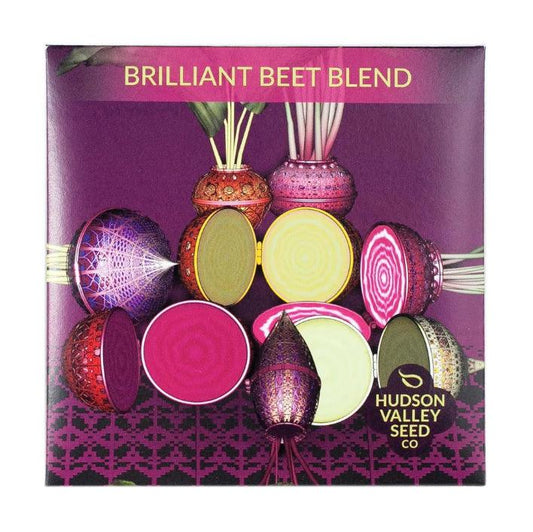
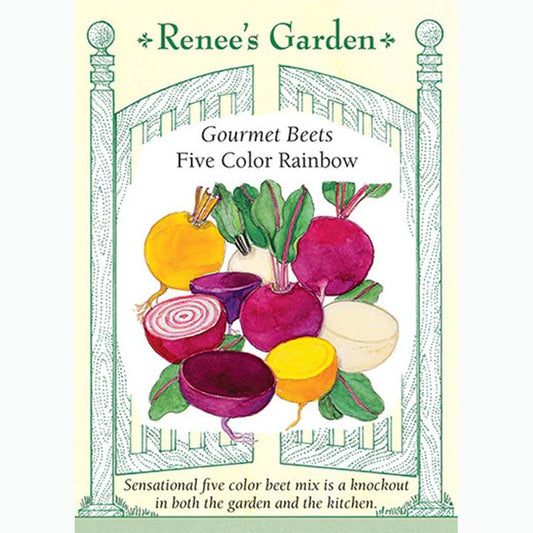
Explore beet seeds and compare maturity, root size, color, and intended use. Variety can affect appearance and flavor, but it does not change the preservation requirements.
Frequently Asked Questions
Can I adjust the vinegar and water ratio to taste?
For a refrigerated recipe, follow its cold-storage directions. For shelf-stable canning, do not alter the tested recipe’s vinegar acidity or ingredient proportions.
Can plain beets be canned in a boiling-water canner?
No tested boiling-water shortcut should be assumed. Plain beets require the tested pressure-canning directions for low-acid vegetables.
Does cooking beets less make canned pickles crunchier?
Do not undercook or underprocess a shelf-stable recipe. Follow the tested preparation and processing directions; quality cannot take priority over the validated process.