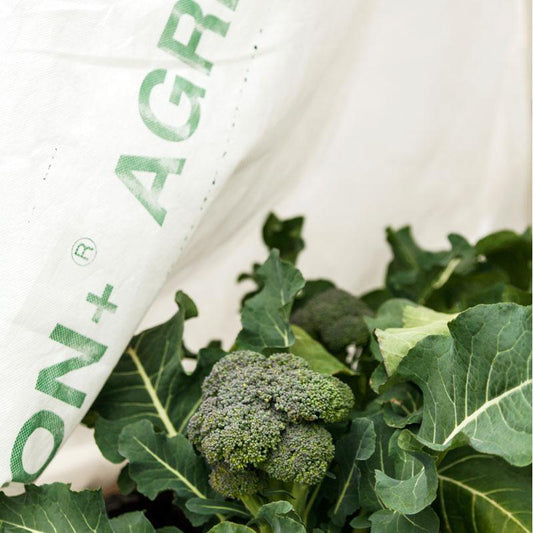
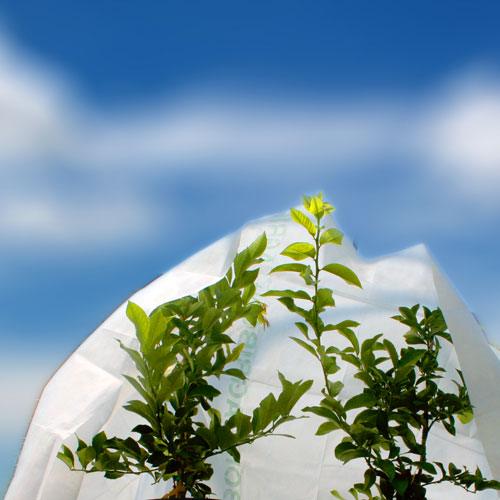
Choose Interior West low tunnels, hardened transplants and fast crops for high elevations using condition-based timing. Across the Rocky Mountains, Great Basin and high-desert Interior West, conditions vary sharply between lower valleys and high elevations, so local soil, exposure and forecast matter more than a single regional calendar. Diagnose the current condition first, choose the narrowest useful action and define the observation that will verify it. Recommendations change among the lower Front Range and intermountain valleys, mountain valleys and high elevations, the Great Basin, and high-desert plateaus.
Start with Wait for the Soil, Not the Calendar: A Late-Snow Spring Plan for the Interior West when you need the complete seasonal plan. For closely related decisions, see Restarting Irrigation After Freeze in Windy, High-Desert Gardens and Thaw, Drainage, and Alkaline-Soil Readiness Before Interior-West Planting.
Translate regional climate into crop runway
Short and variable frost-free windows, late snow and early hard freezes are common; valleys can be colder than slopes. USDA zones describe minimum-temperature risk but not season length, hail or warm-season maturity.
High UV, low humidity, strong wind and large day-night temperature ranges; lower valleys can be hot while high elevations retain cold nights. Use soil temperature, crop stage, local forecast and a qualified maturity estimate together. A regional zone label cannot replace this sequence.
Subregional crop and timing matrix
| Segment | Crop strategy | Timing gate | If the gate fails |
|---|---|---|---|
| Lower Front Range and intermountain valleys | Lower valleys have more heat but still face wind and early frost | Soil is workable rather than merely snow-free | Change the crop, harvest stage, protection plan or bed use when the full runway does not fit. |
| Mountain valleys and high elevations | High elevations require fast crops and season extension | Soil temperature fits the crop | Change the crop, harvest stage, protection plan or bed use when the full runway does not fit. |
| Great Basin | Great Basin sites prioritize water and salinity | Forecast late-frost risk and hardened transplant status | Change the crop, harvest stage, protection plan or bed use when the full runway does not fit. |
| High desert and plateau | High deserts combine intense sun, cold nights and sparse rainfall | Cover crop at the correct termination stage | Change the crop, harvest stage, protection plan or bed use when the full runway does not fit. |
Pass the crop-runway gates
- Confirm safe working and establishment conditions.
- Measure soil temperature and moisture at planting depth.
- Verify irrigation or drainage in the receiving bed.
- Compare germination or transplant recovery plus maturity with local heat, light and frost trajectory.
- Check rotation, pest history and the desired harvest stage.
- Match protection to wind, ventilation, access and reuse capacity.
- Plant a manageable batch when uncertainty is high.
- Record emergence, recovery, harvest and termination.
Use estimates without turning them into promises
Days to maturity, hardiness, chill and heat-tolerance descriptions depend on cultivar and conditions. Verify the source definition, add establishment time and use local records. USDA hardiness zones do not provide a sowing date. Protection changes temperature and airflow but cannot guarantee survival.
Coordinate succession, rotation and living roots
Sequence cool and warm crops using soil temperature, frost risk, heat arrival and days to maturity; harden transplants and preserve backup sowings.
A succession is useful only when it can establish, reach the intended harvest and leave the bed ready for the next crop or soil-protection task. Rotation can diversify root occupancy but does not guarantee pest or disease prevention. Legume inoculant must match the crop and label; nodulation and nutrient contribution depend on conditions.
Count the entire establishment-to-harvest sequence
Add germination or transplant recovery, vegetative growth and the particular harvest stage the gardener needs. Then reserve time for weather interruptions, hardening and bed turnover. A crop harvested young may fit where a mature fruit or storage root does not. If the sequence collides with local heat, freeze, low light or water reliability, reduce the area, change the stage or leave the bed protected rather than compressing the calendar.
Manage protected starts as a separate crop
A tray has its own root volume, light, airflow, temperature and watering limits. Label every batch with cultivar, sowing condition, destination bed and next check. Harden in steps to the actual destination. Covers and tunnels require secure support and ventilation; they can overheat, abrade plants or fail under wind, snow or rain. Protection modifies exposure but cannot guarantee establishment or survival.
Use small trials to qualify crop claims
Descriptors such as heat tolerant, short season, low chill or cold hardy summarize particular genetics and trials. Verify the source definition and test a manageable planting in the named subregion. Record emergence, recovery, first useful harvest, quality, water and pest burden. Keep failed trials in the record; they define the local boundary more honestly than a generic crop list.
Use seasonal field triggers
| Trigger | Diagnostic question | Action gate |
|---|---|---|
| Soil is workable rather than merely snow-free | What changed in establishment temperature, maturity runway and receiving-bed capacity? | Sow or transplant only when the useful crop stage still fits. |
| Soil temperature fits the crop | What changed in establishment temperature, maturity runway and receiving-bed capacity? | Sow or transplant only when the useful crop stage still fits. |
| Forecast late-frost risk and hardened transplant status | What changed in establishment temperature, maturity runway and receiving-bed capacity? | Sow or transplant only when the useful crop stage still fits. |
| Cover crop at the correct termination stage | What changed in establishment temperature, maturity runway and receiving-bed capacity? | Sow or transplant only when the useful crop stage still fits. |
| Irrigation system passes pressure and leak checks | What changed in establishment temperature, maturity runway and receiving-bed capacity? | Sow or transplant only when the useful crop stage still fits. |
Connect each practice to a measurable outcome
| Practice | Intended outcome | Evidence |
|---|---|---|
| Crop rotation | Longer productive root occupancy | Record emergence, transplant recovery, useful harvest and the bed handoff. |
| Succession planting | More diverse rotations | Record emergence, transplant recovery, useful harvest and the bed handoff. |
| Legume inoculation where applicable | Less failed planting from calendar-only timing | Record emergence, transplant recovery, useful harvest and the bed handoff. |
| Keep beds rooted between cash crops | Better use of limited seasonal windows | Record emergence, transplant recovery, useful harvest and the bed handoff. |
| Maintain covered soil | Longer productive root occupancy | Record emergence, transplant recovery, useful harvest and the bed handoff. |
These are intended mechanisms, not guaranteed results. A crop plan is not successful when protection, water or labor exceed the useful harvest, or when the succession leaves the next bed unready. Keep a reference or marked observation point where practical.
Local examples
High-elevation low-tunnel check: Match the cover to the forecast low and duration, crop tolerance, stored soil warmth, wind and structure capacity. Anchor the perimeter, provide plant clearance and ventilation, and monitor temperature and moisture rather than treating protection as a frost guarantee.
Transplant hardening check: Move plants into brighter light, wind and temperature swings in measured steps while keeping roots evenly managed. Delay transplanting when the bed is cold or saturated, the forecast is unstable or the plants cannot recover between exposures.
For step-by-step help, see Soil Temperatures: What's Best for Transplanting Starts & Seedlings?, Seed Starting and How to Protect Plants from Frost - Low Tunnels. Choose a method only after confirming that it fits your soil, weather, crop stage and available seasonal window.
Continue the regional cycle
Continue planning for this region with fall guidance, winter guidance, and summer guidance.
Compare local conditions with Southwest guidance, cold-climate guidance, and Oregon guidance. Use only advice that fits local soil, exposure, forecast, water and crop response.
How to compare frost covers: Fabric weight changes both insulation and light transmission, so select the cover for the crop, forecast low and duration, bed dimensions, foliage contact, wind exposure, and ventilation plan. A cover works only when it extends over the complete canopy and its perimeter can be secured near the ground before temperatures fall. Check the temperature and moisture beneath it, edge gaps, wind abrasion, condensation, and daytime heat; open or remove it when light, pollination, or warming requires access. A timer, forecast, or product rating cannot account for every frost pocket, stored-soil-heat condition, or crop tolerance. Frost fabric may reduce exposure, but it cannot guarantee that plants will avoid injury or make a crop appropriate for the remaining seasonal runway.
Choose a collection only after the decision
When the observation and action sequence identify a real need, compare All Vegetable Seeds, Plant Propagation, Floating Row Covers and Frost Protection. Compare products within the collection, then verify live availability, instructions, destination eligibility and fit for the measured site. If the bed needs observation, rest or a cultural correction, address that first.
Record results and next steps
Log cultivar, batch, planting-depth conditions, protection, useful harvest, failure gate and next bed assignment. Photographs from repeatable positions make delayed injury or improvement easier to judge. When identification, legal use, or site constraints remain uncertain, consult a local Extension office or another qualified local adviser before acting.
Test the regenerative mechanism
Maintain covered soil, build organic matter slowly from tested inputs, use short-season living roots, capture snow and runoff, reduce wind exposure, irrigate efficiently and rotate limited bed space. Select one observable outcome—such as covered area, infiltration, runoff, crop recovery or input reduction—and compare it at marked points. Include establishment water, labor, imported material and termination in the result. Reopen planting only after establishment and useful-harvest runway pass. Decide in advance what result would justify continuing, revising or stopping.
Respect local cautions
Do not lower pH or add phosphorus without testing; do not rely on calendar frost dates; avoid plastic heat capture without ventilation; qualify snowpack and water outlook to current official data. Treat this caution as a stop gate. Verify the relevant soil, cultivar, structure, product label or local rule before proceeding, and leave an exception note when the safe choice is to wait.
Recognize the seasonal transition
Move from thaw, rain or mild winter growth into warming soil, rapid vegetative growth and the approach of local heat or late-frost limits. Identify the observation that closes the old season and the separate observation that opens the next seasonal task. Different beds and regional segments can cross that boundary at different times.
Use a risk register
Late frost, cold wet soil, sudden heat, wind, saturated beds, transplant shock and early pest/disease outbreaks. Regional hazards: Late snow, early freeze, hail, wind, drought, wildfire smoke, intense sun, flash runoff and freeze-thaw. List likelihood, consequence, early evidence and a safe response for each relevant hazard. Retire the item only after field conditions and the forecast show that the risk has genuinely changed.
Record the tradeoffs
Do not lower pH or add phosphorus without testing; do not rely on calendar frost dates; avoid plastic heat capture without ventilation; qualify snowpack and water outlook to current official data. A regenerative practice is not automatically low-input if it requires irrigation, imported material or repeated plastic replacement. Season extension and shade materials require ventilation, reuse and end-of-life planning. A regenerative label does not erase resource costs. Record water, energy, imported nutrients, plastic, transport, maintenance, labor and disposal, then keep the practice only when the measured outcome justifies them.