Successful spring transplanting depends on the conditions plants meet after they leave the tray. Check soil temperature and moisture at planting depth, the crop’s cold tolerance, hardening progress, forecast lows, wind exposure, drainage, and the remaining time to a useful harvest. Great Lakes shore zones, inland Upper Midwest sites, and coastal or upland New England can reach those conditions weeks apart.
Use the northern cold-climate spring plan to coordinate planting with the rest of the garden. Before setting a date, confirm drainage and irrigation readiness and soil workability during thaw.
Match regional climate to the crop’s growing window
Long winters, freeze-thaw, late spring frost and early fall frost constrain the season. Lake or coastal moderation can delay spring while extending fall; USDA zones do not replace soil workability or local frost observation.
Summers can be short but sometimes hot and humid, with Great Lakes humidity, continental drought episodes, and cool nights at elevation or near large water bodies. Use soil temperature, crop stage, local forecast and a qualified maturity estimate together. A regional zone label cannot replace this sequence.
Subregional crop and timing matrix
| Area | Planting challenge | Best signal | If the window does not fit |
|---|---|---|---|
| Upper Midwest plains | Wind and rapid swings between warm days and late cold | Soil temperature, forecast lows, hardening progress, and tunnel anchoring | Delay planting, reduce the batch, or choose a more cold-tolerant crop. |
| Great Lakes belts and shore zones | Slow spring warming and humid protected spaces near the lakes | Receiving-bed temperature, drainage, condensation, and local shore-zone records | Ventilate protection and avoid holding more transplants than light and space can support. |
| Northern interior Northeast | Late frost and a short growing period | Full countback from planting through useful harvest, with a weather buffer | Choose a shorter-maturity cultivar, harvest at a younger stage, or keep the bed protected. |
| Coastal and upland New England | Different frost and wind exposure across coast, valley, and upland sites | Elevation, cold-air drainage, actual bed temperature, and the local forecast | Use timing for the specific site rather than transferring a nearby coastal or valley date. |
Check the crop’s full growing window
- Confirm safe working and establishment conditions.
- Measure soil temperature and moisture at planting depth.
- Verify irrigation or drainage in the receiving bed.
- Compare germination or transplant recovery plus maturity with local heat, light and frost trajectory.
- Check rotation, pest history and the desired harvest stage.
- Match protection to wind, ventilation, access and reuse capacity.
- Plant a manageable batch when uncertainty is high.
- Record emergence, recovery, harvest and termination.
Use estimates without turning them into promises
Days to maturity, hardiness, chill and heat-tolerance descriptions depend on cultivar and conditions. Verify the source definition, add establishment time and use local records. USDA hardiness zones do not provide a sowing date. Protection changes temperature and airflow but cannot guarantee survival.
Coordinate succession, rotation and living roots
Sequence cool and warm crops using soil temperature, frost risk, heat arrival and days to maturity; harden transplants and preserve backup sowings.
A succession is useful only when it can establish, reach the intended harvest and leave the bed ready for the next garden task. Rotation can diversify root occupancy but does not guarantee pest or disease prevention. Legume inoculant must match the crop and label; nodulation and nutrient contribution depend on conditions.
Count the entire establishment-to-harvest sequence
Add germination or transplant recovery, vegetative growth and the particular harvest stage the gardener needs. Then reserve time for weather interruptions, hardening and bed turnover. A crop harvested young may fit where a mature fruit or storage root does not. If the sequence collides with local heat, freeze, low light or water reliability, reduce the area, change the stage or leave the bed protected rather than compressing the calendar.
Manage protected starts as a separate crop
A tray has its own root volume, light, airflow, temperature and watering limits. Label every batch with cultivar, sowing condition, destination bed and next check. Harden in steps to the actual destination. Covers and tunnels require secure support and ventilation; they can overheat, abrade plants or fail under wind, snow or rain. Protection modifies exposure but cannot guarantee establishment or survival.
Use small trials to qualify crop claims
Descriptors such as heat tolerant, short season, low chill or cold hardy summarize particular genetics and trials. Verify the source definition and test a manageable planting in the named subregion. Record emergence, recovery, first useful harvest, quality, water and pest burden. Keep failed trials in the record; they define the local boundary more honestly than a generic crop list.
Use field conditions to time the work
| Condition | Question to answer | Practical response |
|---|---|---|
| Receiving bed is thawed | Is it also workable, drained, and warm enough at planting depth? | Keep transplants protected until all three conditions are met. |
| Hardening has begun | Have plants adjusted gradually to the actual light, wind, and temperature? | Extend hardening or reduce exposure when leaves wilt, bleach, or stop recovering overnight. |
| A low tunnel is planned | Can the cover span the canopy, seal at the ground, resist wind, and be ventilated? | Install before the cold event and monitor temperature, moisture, abrasion, and daytime heat. |
| Forecast lows approach crop tolerance | Do crop stage, fabric, soil heat, duration, and site exposure support the plan? | Protect, delay, or replant a smaller batch; never treat protection as a guarantee. |
| The crop has a long maturity estimate | Does the full establishment-to-harvest period fit before heat or the next seasonal limit? | Change cultivar, harvest stage, scale, or planting date when the complete window is too short. |
Connect each practice to a measurable outcome
| Practice | Intended outcome | Evidence to record |
|---|---|---|
| Gradual hardening | Better adjustment to outdoor light, wind, and temperature | Exposure steps, overnight recovery, leaf condition, and transplant survival. |
| Low tunnel matched to the bed and forecast | Reduced cold and wind exposure with manageable ventilation | Cover dimensions, anchoring, temperature beneath it, condensation, abrasion, and injury. |
| Soil-temperature check at planting depth | Planting timed to crop establishment needs | Temperature, drainage, planting date, emergence or recovery, and first useful harvest. |
| Backup sowing or smaller first batch | Lower loss when late frost or timing is uncertain | Batch size, injury, recovery, resowing, and useful harvest. |
| Crop countback | A maturity window that fits the site | Germination, transplant recovery, first and last harvest, and bed turnover. |
Judge the plan by transplant quality, establishment, useful harvest, and the condition of the bed afterward. Protection, water, or labor that exceeds the useful harvest is a reason to change the crop, scale, or timing.
Local examples
Great Lakes low tunnel: Secure the frame and cover before the forecast changes, seal the perimeter near the ground, and monitor temperature and condensation beneath it. Ventilate or remove the cover when daytime warming, airflow, or pollination requires access.
Northern New England hardened transplant: Expose plants gradually to the actual outdoor light, wind, and temperature they will meet. Delay planting if a cold, saturated receiving bed would undo the hardening work.
Upper Midwest backup sowing: Plant a manageable first batch and keep a small backup sowing when late frost or wind exposure is uncertain. Compare recovery and useful harvest before expanding the next planting.
For step-by-step help with these tasks, see Soil Temperatures: What's Best for Transplanting Starts & Seedlings?, Seed Starting and How to Protect Plants from Frost - Low Tunnels. Apply those techniques only when they match the crop, soil, weather, and conditions you observe.
Prepare for the next seasonal transition
As soil, weather, and crop conditions change, use fall guidance, winter guidance, and summer guidance.
If your site shares conditions with Rockies guidance, Oregon guidance, and Washington guidance, compare recommendations and use only what fits your soil, exposure, forecast, water, and crop response.
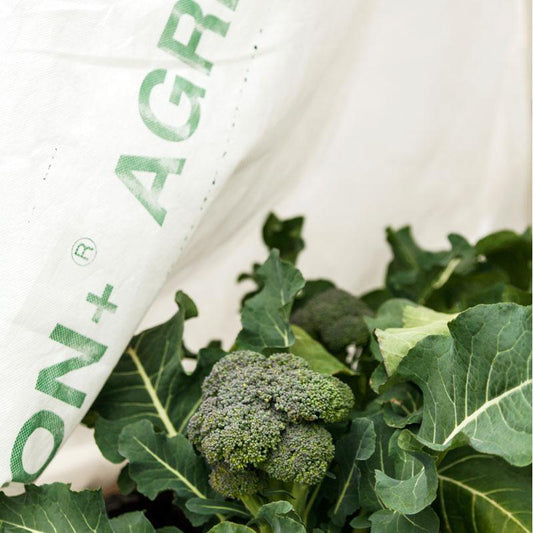
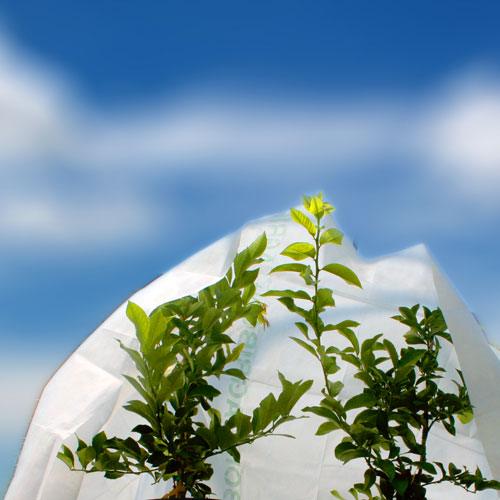
How to compare frost covers: Fabric weight changes both insulation and light transmission, so select the cover for the crop, forecast low and duration, bed dimensions, foliage contact, wind exposure, and ventilation plan. A cover works only when it extends over the complete canopy and its perimeter can be secured near the ground before temperatures fall. Check the temperature and moisture beneath it, edge gaps, wind abrasion, condensation, and daytime heat; open or remove it when light, pollination, or warming requires access. A timer, forecast, or product rating cannot account for every frost pocket, stored-soil-heat condition, or crop tolerance. Frost fabric may reduce exposure, but it cannot guarantee that plants will avoid injury or make a crop appropriate for the remaining growing window.
Compare product options only after diagnosing the need
After the crop and planting conditions are clear, compare All Vegetable Seeds, Plant Propagation, Floating Row Covers, and Frost Protection by cultivar timing, tray capacity, fabric dimensions or weight, anchoring, ventilation, and site exposure. Verify current availability and instructions. A shorter crop, smaller batch, or later planting may be the better solution.
Record results and next steps
Log cultivar, batch, planting-depth conditions, protection, useful harvest, limiting condition and next bed use. Photographs from repeatable positions make delayed injury or improvement easier to judge. When identification, legal use, or site constraints remain uncertain, consult a local Extension office or another qualified local adviser before acting.
Check whether the practice delivers the intended result
Use winter-killed or hardy cover crops, retain snow and residue, avoid tilling wet spring soil, extend living roots with cold-tolerant crops, diversify rotations and prepare fall soil cover early. Select one observable outcome—such as covered area, infiltration, runoff, crop recovery or input reduction—and compare it at marked points. Include establishment water, labor, imported material and termination in the result. Start planting only when the crop has enough time to establish and reach the intended harvest. Before acting, decide what result would justify continuing, revising, or stopping.
Respect local cautions
Do not use average frost dates as guarantees; avoid spring cultivation before soil is workable; ventilate season-extension structures; do not leave diseased debris where it increases carryover. Treat any of these cautions as a reason to stop and reassess. Verify the relevant soil, cultivar, structure, product label or local rule before proceeding, and leave an exception note when the safe choice is to wait.
Recognize the seasonal transition
Move from thaw, rain or mild winter growth into warming soil, rapid vegetative growth and the approach of local heat or late-frost limits. Identify the observation that closes the old season and the separate observation that opens the next garden task. Different beds and regional segments can cross that boundary at different times.
Plan for spring risks
Relevant spring risks include late frost, cold wet soil, sudden heat, wind, saturated beds, transplant shock, and early pest or disease outbreaks. Regional hazards include deep freeze, ice, heavy snow, freeze-thaw, late frost, early frost, hail, summer heat spikes, drought, and intense rain. For each risk that applies, note the earliest evidence, the likely consequence, and a safe response. Remove it from the watch list only after field conditions and the forecast genuinely change.
Record the tradeoffs
Season-extension materials require secure installation, ventilation, maintenance, reuse when sound, and an end-of-life plan. Record water, energy, plastic, transport, labor, and crop response, then keep the system only when the measured benefit justifies those costs.