Why Start With Seed Potatoes?
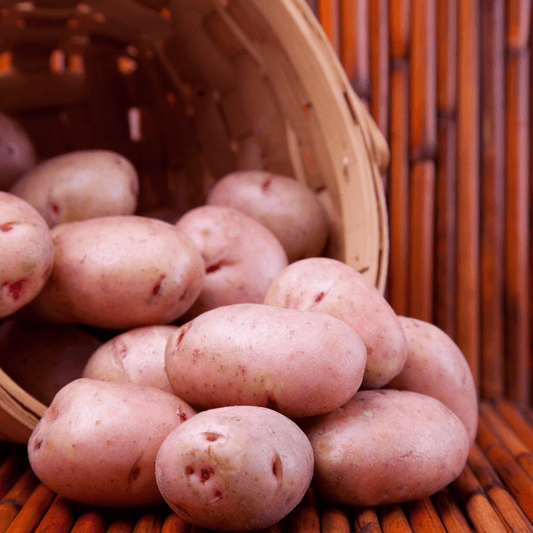
Potatoes are usually propagated from tubers rather than botanical seed. A “seed potato” is a tuber produced and handled for planting. Certified seed potatoes are inspected within a certification program designed to limit specified diseases and maintain varietal identity. Certification reduces risk; it does not mean a tuber is sterile, immune, or guaranteed to remain disease-free.
Why Grocery Potatoes Are a Poorer Starting Point
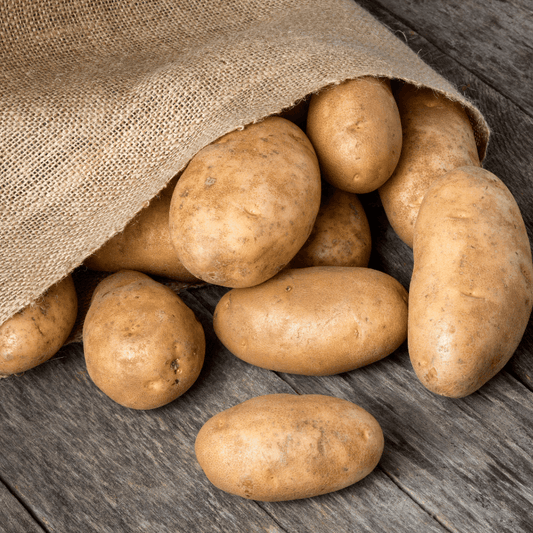
Grocery potatoes are sold for eating, not for planting. They may be treated to delay sprouting, may not be adapted to your season, and do not provide the same disease-management documentation as certified planting stock. A grocery tuber can sometimes sprout, but successful sprouting does not make it the safer garden choice.
| Factor | Certified seed potato | Grocery potato |
|---|---|---|
| Intended use | Produced for planting | Produced for eating |
| Variety identity | Sold as a named planting variety | May be generic or inconsistently labeled |
| Disease program | Inspected under certification standards | No comparable planting-stock certification |
| Sprout inhibition | Intended to grow | May have been managed to delay sprouting |
| Garden recommendation | Preferred starting material | Not recommended when certified seed is available |
What Is Chitting?
Chitting means allowing short, sturdy sprouts to begin before planting. Place seed potatoes in a cool, bright location out of strong direct sun. Avoid warm, dark conditions that produce long, fragile white sprouts. Chitting can help gardeners see which tubers are active, but it is optional and does not guarantee a higher yield.
Should Seed Potatoes Be Cut?
Small seed potatoes can be planted whole. Larger tubers can be cut into pieces, each with at least one healthy eye and enough stored tissue to support early growth. Use a clean knife and discard tubers that are soft, leaking, badly shriveled, or visibly rotted.
Allow Cut Surfaces to Dry
Let cut pieces rest in a protected, ventilated place until the cut surface is dry and callused. This can reduce decay risk after planting, particularly in cool or moist soil. Do not leave cut pieces in intense sun or allow them to dehydrate severely.
Planting Seed Pieces
Plant when soil is workable and not saturated. Set pieces roughly 3–4 inches deep with eyes facing upward when their position is obvious. Space them about 10–12 inches apart for many home-garden systems, then hill around stems as they grow to keep tubers covered.
Common Preparation Mistakes
- Planting visibly rotted or soft seed pieces
- Cutting pieces too small to support early growth
- Planting into cold, saturated soil
- Breaking off every short, sturdy sprout unnecessarily
- Assuming certification eliminates the need for rotation and sanitation
- Using grocery potatoes when documented planting stock is available
Choose a Variety Before Preparing It
Compare maturity, kitchen use, color, climate fit, and storage goals in our seed potato selection guide. Then browse the current seed potato collection and follow the complete potato growing guide.