Beginner’s Guide to Growing Mild Chili Peppers: Anaheim, Poblano, Serrano at Home
If you’ve ever bought peppers at grocery stores and thought, “I could grow these,” you’re right. These are popular peppers for home gardens because they’re productive, flavorful, and easy to use in everyday meals. Whether you like spicy food or prefer mild flavor, growing pepper plants at home gives you fresher peppers. It also gives you more control over flavor and heat. Heat can change with weather, watering, and the plant variety.
This guide covers the growing basics for serrano, Anaheim, and poblano peppers. It also includes quick tips you can use.

Getting Started: Prep Your Pepper Plants the Right Way
Peppers love warmth, so success starts before planting day. Begin seeds indoors about 8–10 weeks before your last frost. Use a clean seed-starting mix, which is a light, sterile growing medium made specifically for starting seeds. It usually contains ingredients like peat moss or coco coir and perlite, helping seeds stay moist while allowing good airflow so young roots can grow easily.
Keep the mix lightly moist but not soggy. A heat mat helps because pepper seeds sprout best in warm soil.
If you’re planting poblano pepper seeds, or starting any hot type like hot pepper serrano, label your trays early so you don’t mix them up later. For more variety, browse our full pepper seeds collection.
A common seedling issue is leggy growth. That happens when seedlings stretch for light. Keep lights close and give seedlings steady brightness.
Sunlight, Soil, and Growing Conditions
All three peppers want full sun, ideally 6–8 hours a day. They also need loose, well-draining soil with compost mixed in. Heavy clay holds water too long and can stress roots.
Great growing conditions mean steady warmth and consistent care. If nights are still cold, wait to transplant. Cold soil slows growth and can stall young plants.
If you want more step-by-step help, check out our detailed pepper growing guide and our beginner-friendly article on how to grow peppers.

Growth Habits and Plant Characteristics (What to Expect)
Each pepper has its own look and garden behavior:
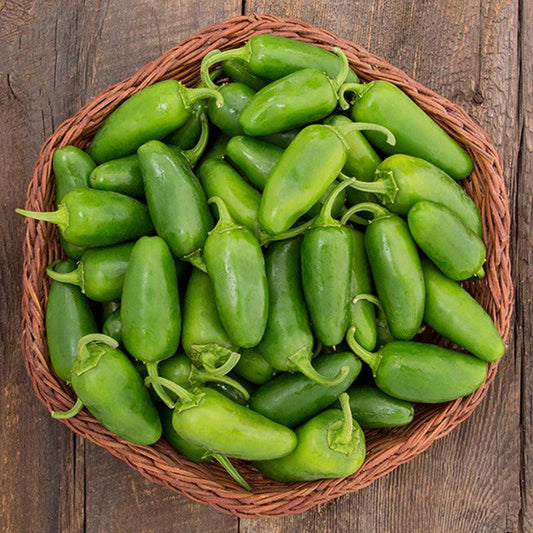
- A serrano pepper plant is usually compact and productive, often setting lots of smaller fruit.
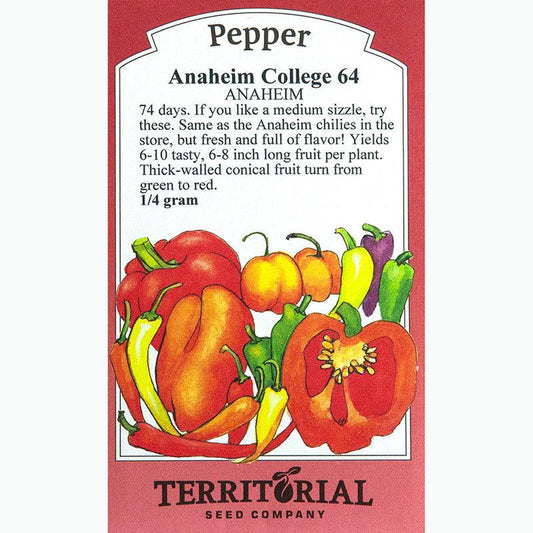
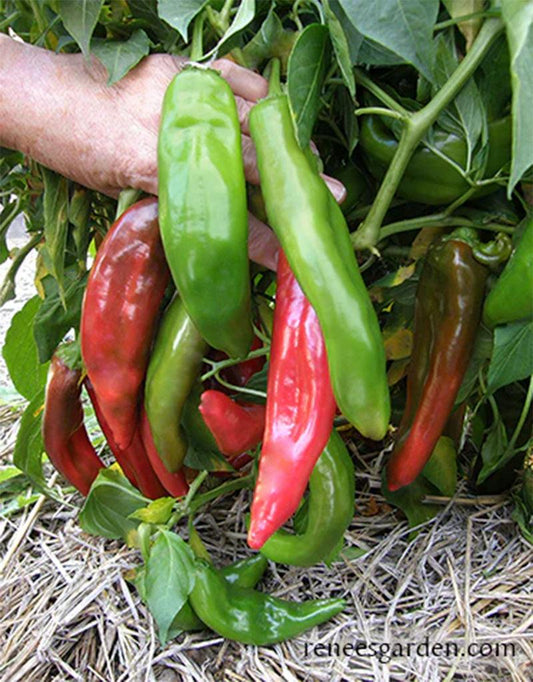
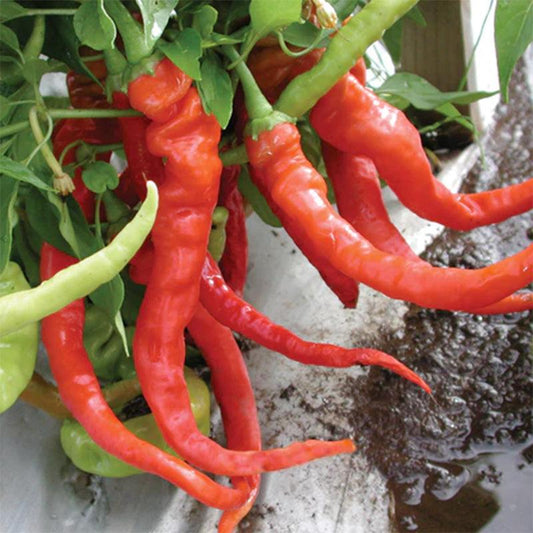
- An anaheim pepper plant grows taller and produces long peppers, often 6–10 inches long.
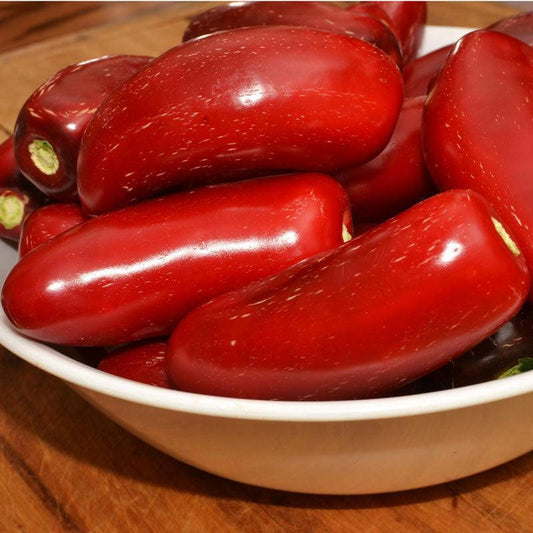
- If you’re wondering what is a poblano pepper or what is a poblano chile pepper, it’s a broader, thick-walled pepper that’s usually harvested dark green, but can turn red when fully ripe. It’s known for a rich flavor profile and can develop a gentle smoky flavor when roasted.
Gardeners often compare anaheim pepper vs poblano because both are great for roasting, but poblanos are wider and meatier.
Watering, Stress Prevention, and Better Harvests
Peppers don’t like extremes. Water deeply, then let the top inch of soil dry slightly before watering again. The goal is steady moisture, not soggy soil.
Big swings in watering can cause stress, blossom drop, or smaller fruit. Mulch helps keep soil moisture even, especially during heat waves.
Fertilizing: Feed for Flowers, Not Just Leaves
Start with compost to build healthy soil, then use a balanced fertilizer once poblano, Anaheim, and serrano pepper plants begin to flower.
A balanced fertilizer for peppers contains equal or near-equal amounts of nitrogen (N), phosphorus (P), and potassium (K)—commonly something like 5-5-5 or 10-10-10. These nutrients support overall growth, strong roots, and flower and fruit development.
Avoid overfeeding with high-nitrogen fertilizers. Too much nitrogen can produce lush green leaves but fewer peppers.
For gardeners growing very hot types like habaneros, these guides are helpful: growing large habanero peppers made simple, regional tips for growing habanero peppers, and sustainable habanero pepper gardening.

What to Watch Out For: Pests and Common Problems
The most common pests are aphids, flea beetles, and spider mites. Check leaf undersides weekly. Early action matters.
Other problems to catch early:
- Yellowing leaves from overwatering or poor drainage
- Dropped flowers from heat stress or cold nights
- Slow growth from chilly soil
If you want a quick visual walkthrough, the growing peppers video is a great refresher.
Heat Levels (Quick, Practical Notes)
Heat matters because it affects how you cook with them. People often ask are anaheim peppers spicy, are poblano peppers spicy, and how spicy are serrano peppers.
Here’s the useful shortcut:
- Anaheim is usually mild, sometimes topping out around 2,500 scoville heat units.
- Poblano is typically mild to medium. If you’re asking is poblano pepper hot or how spicy is a poblano pepper, the answer is “sometimes,” and the poblano pepper spice level can change with stress.
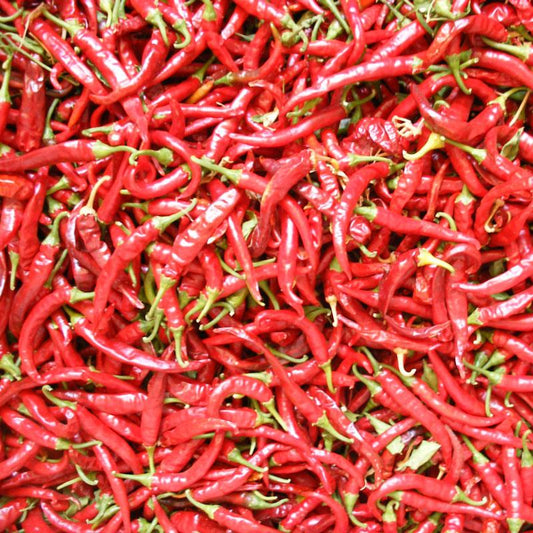
- Serrano is a true heat pepper. Searches like serrano pepper scoville, serrano pepper scoville units, serrano pepper spice scale, and serrano pepper heat scale all point to the same idea: serranos are hot, commonly measured in scoville heat units shu. Your serrano pepper spice level will still vary depending on growing conditions.
For kitchen swaps, it helps home cooks to know their options when a recipe calls for a specific pepper. A serrano pepper substitute is often jalapeño peppers, which offer a similar fresh flavor but are usually milder. If extra heat is needed, a small pinch of cayenne pepper can be added, keeping in mind it provides heat without the fresh pepper texture.
A poblano pepper substitute might be an Anaheim, and a substitute for poblano pepper is often whatever mild roasting pepper you have on hand. Anaheim peppers have a mild heat with a slight sweetness, and the anaheim pepper scoville rating typically ranges from about 500 to 2,500 units. If you need a replacement for poblano pepper, Anaheim is a common choice, while an Anaheim pepper substitute can be poblano if you want thicker walls and better results for stuffing or roasting.
If you want inspiration for mixing sweet and hot types, read our Parade of Peppers.
Conclusion
Growing peppers at home is all about warmth, sunlight, and steady care. Keep your soil healthy, avoid watering stress, and watch seedlings closely early on.
Whether you’re growing serrano pepper plant heat for salsas or raising poblanos for roasting, you’ll get better flavor than anything from the store, and you’ll learn fast with every harvest.