Snap Beans vs Green Beans vs Wax Bean: A Complete Comparison of Flavor, Yield, and Uses
Walk through any grocery store and you will see green beans, yellow beans, and sometimes slender French types labeled differently. It raises a fair question: what is the real difference between snap beans vs green beans, and where do wax beans fit in?
The short answer is that most of these beans are the same species, Phaseolus vulgaris. The differences come down to color, texture, and harvest stage. This guide explains flavor, yield, and kitchen uses so you can choose the right type for your garden.

What Are Snap Beans and Green Beans?
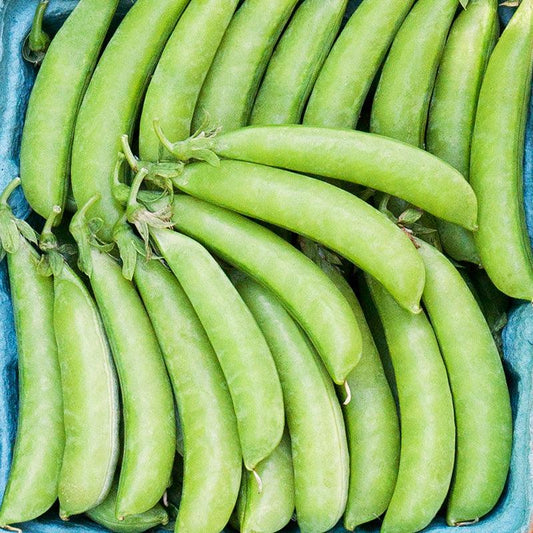
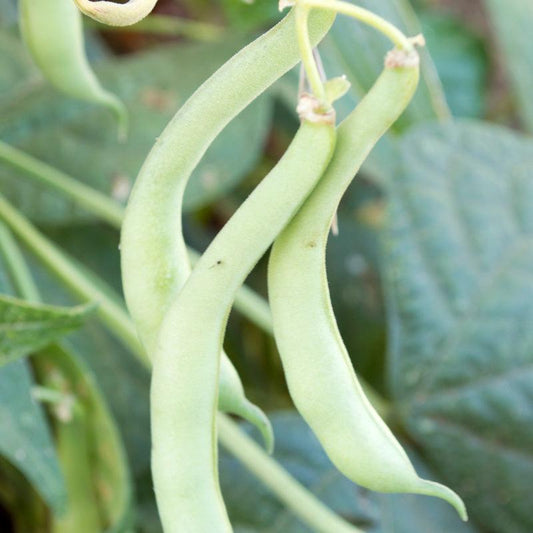
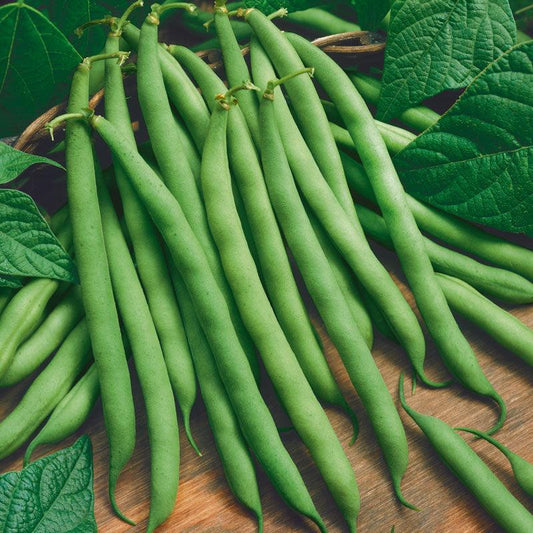
In most cases, green beans vs snap beans are not different crops. “Snap beans” refers to beans harvested young and tender, when the bean pods snap cleanly in half. “Green beans” describes the color.
So when comparing snap bean vs green bean, the difference between green beans and snap beans is mostly wording. Beans are generally called snap beans because they are eaten fresh, pod and all, before the seeds mature.
Many common varieties such as Blue Lakes fall into this category.
What Are Wax Beans?
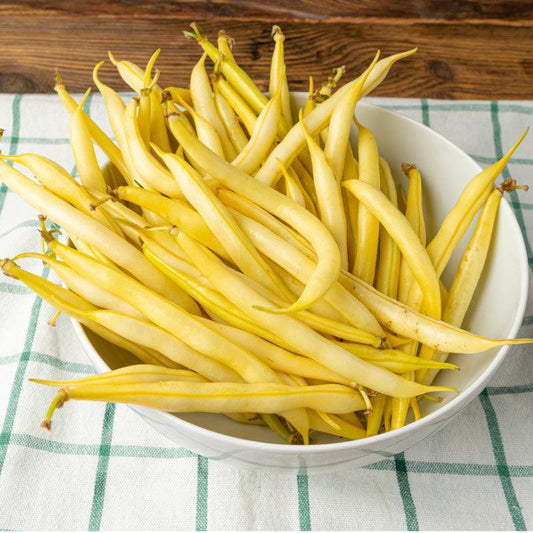
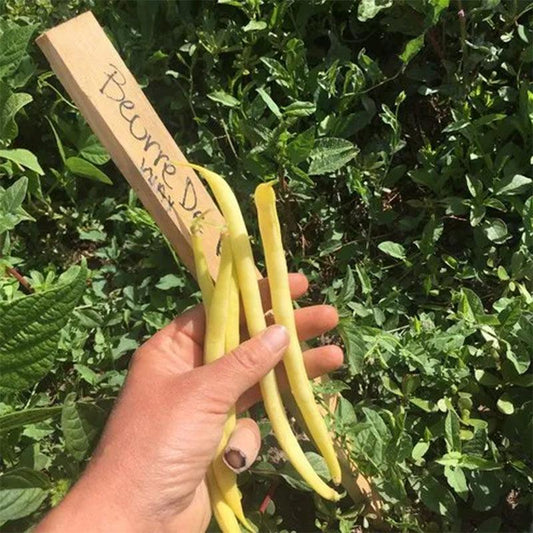
Wax beans are simply yellow snap beans. The color comes from a lack of chlorophyll in the pods.
When people ask about wax beans vs green beans or green beans vs wax beans, they are comparing pod color, not species. The difference between green beans and wax beans is visual and slightly textural. Yellow wax beans tend to have a milder flavor and softer skin.
A classic example is Buerre de Rockencourt Wax Bush Bean, known for tender yellow pods. These are often called yellow wax beans.
So if you are wondering what’s the difference between wax beans and green beans, it is mostly color, with minor differences in flavor and texture.

Flavor and Texture
Snap beans, green beans, and wax beans all have a fresh, grassy flavor when picked young. However, subtle differences exist:
- French green beans, also called haricot verts, are slimmer and more refined in flavor.
- Some heirloom variety types may have more noticeable fibrous strings running along the seams.
- Flat beans, like some Italian types, have broader pods and a meatier bite.
- A purple bean turns green when cooked because heat breaks down pigments.
The difference between wax beans and green beans is slight in taste, but noticeable in appearance on the plate.
Yield and Growth
Most snap beans grow on bush bean plants that mature in about 50 to 60 days. Pole types take slightly longer but produce over a longer window.
Whether you choose wax vs green beans or green beans vs snap beans, harvest timing is the same. Pick pods before seeds swell. Frequent picking encourages plants to produce more.
For planting details, see our full bean growing guide or step-by-step instructions on how to grow beans.
If you garden in tight quarters, these tips on urban gardening with beans can help maximize yield.

Kitchen Uses and Cooking Methods
Snap beans are versatile. Popular cooking methods include steaming, sautéing in olive oil, roasting, or adding to stir fry.
To keep beans bright green, blanch briefly in boiling water and then cool in ice water. Store fresh pods in a plastic bag in the refrigerator for up to a week.
If you want to preserve a large harvest, follow safe instructions on how to can green and wax beans.
Recommended Varieties
For reliable performance and flavor, consider:
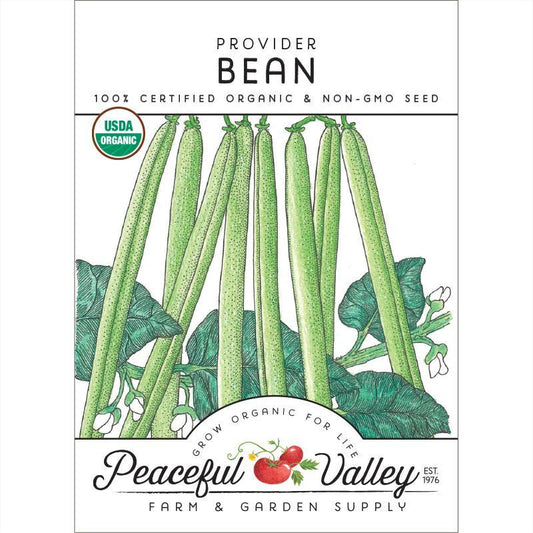
- Provider Bush Bean – Early and productive green snap type.
- Tendergreen Bush Bean – Classic green bean for fresh eating.
- Buerre de Rockencourt Wax Bean – Tender yellow wax type.
- Royalty Purple Pod Bush Bean – Attractive purple bean that cooks green.
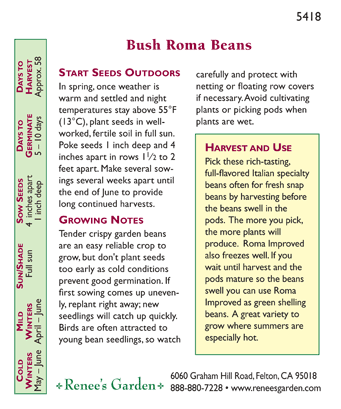
- Roma Improved Bush Bean – Broad, flat pods ideal for sautéing.
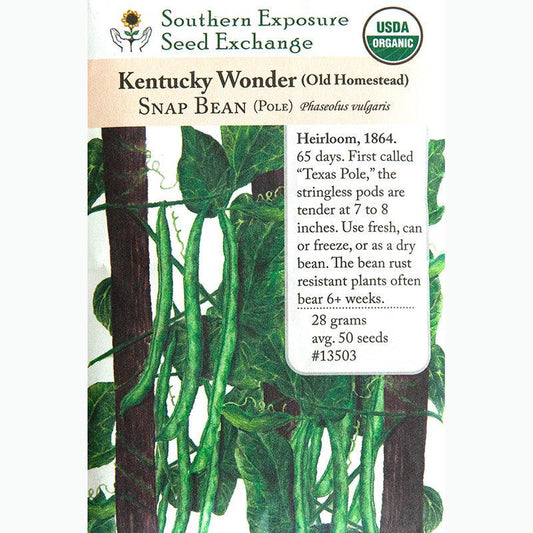
- Kentucky Wonder Pole Bean – Vigorous vines with heavy yields.
You can also explore unusual options in our guide to exploring unique bean varieties.
Conclusion
When comparing snap beans vs. green beans, remember they are usually the same thing. The difference between snap beans and green beans is mostly terminology, as both are harvested young for tender pods. Wax beans are simply yellow-podded forms of the same species.
There are many types of green beans, including bush, pole, wax, and slender French varieties. If you want color contrast, grow both green and yellow kinds. To explore different varieties, browse these bean seeds for sale for options suited to your garden.
With proper harvest timing and regular picking, these beans will produce steadily all season.