
Tomato Cages, Stakes, or Trellis? How to Pick the Right Tomato Support
When growing tomatoes, one thing becomes clear very quickly: tomato plants cannot support themselves for long. As plants grow taller and begin producing fruit, they need help staying upright. Choosing the right support, such as a tomato plant cage, keeps plants healthy, improves airflow, and prevents broken stems.
Gardeners often ask the same question: tomato trellis, stake, or tomato plant cage? The honest answer is that all three can work, but each one fits different gardens, tomato types, and growing styles. This guide explains tomato plant cages, trellises, and stakes in a clear, practical way so you can decide what works best in your home garden.

Why Tomato Plants Need Support
Tomatoes grow fast, especially during warm growing seasons. As a tomato vine stretches upward and outward, it becomes heavy with fruit. Without support, plants fall over, fruit touches the soil, and diseases spread more easily.
Good supporting a tomato plant improves air circulation, keeps fruit clean, and helps plants focus energy on growing instead of repairing damage. Whether you are planting tomatoes in containers, raised bed setups, or open garden beds, proper support matters.
Tomato Cages: The Most Common Option
A tomato cage is a wire structure placed around a young plant. As the plant grows, branches rest against the cage, which helps support a tomato plant naturally.
Pros of Tomato Cages
- Easy for beginners to use
- Little tying or pruning required
- Works well for determinate tomatoes, which grow to a set size and then stop
- Good choice for busy gardeners
Cons of Tomato Cages
- Many store-bought cages are too small
- Lightweight cages can fall over
- Not ideal for plants that grow several feet tall
For stronger plants and large tomatoes, look for heavy duty tomato cages. These sturdier cages for tomato plants are better at holding weight later in the season.
How to use tomato cages correctly matters. Place the cage over the plant at planting time. Waiting too long can damage roots.
A cage is a great cage for tomato plants that stay compact, but tall plants may outgrow it.

Tomato Stakes: Simple and Space-Saving
Tomato stakes are vertical supports that hold the main stem upright. Stakes can be metal, wooden stakes, or bamboo stakes. Learning how to stake tomatoes early makes the job much easier.
Pros of Tomato Stakes
- Take up very little space
- Good for small gardens and containers
- Easy to install
- Improve airflow
Cons of Tomato Stakes
- Plants must be tied regularly
- Requires pruning to control size
- Less forgiving if ignored
When staking, tie the plant loosely as it grows. This method of supporting your tomatoes works well for gardeners who like a tidy look. Knowing how to stake tomato plants properly prevents stems from snapping later.
Stakes work best for gardeners who check plants often and want tight control over growth.

Tomato Trellises: Strong and Flexible
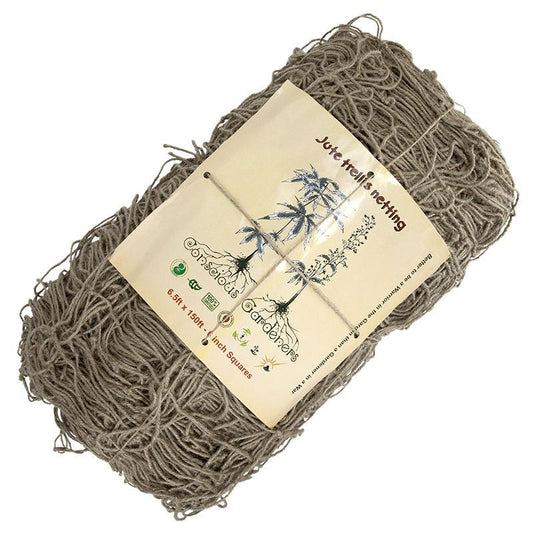
A tomato trellis uses a frame or structure that plants grow up and through. Trellises can be made from wire panels, string systems, or fencing.
Popular Tomato Trellis Ideas
- A tomato string trellis tied to an overhead bar
- A wire panel or cattle panel secured to posts
- A ladder-style garden tomato trellis
These systems are excellent plant supports tomatoes need when plants get large.
Pros of Tomato Trellises
- Very strong support
- Great for tall plants and long vines
- Makes harvesting easier
- Excellent airflow and sun exposure
Cons of Tomato Trellises
- More setup required
- Needs sturdy posts or anchors
- Less portable than cages
A tomato plant trellis works especially well for indeterminate plants that keep growing all season. Trellises must be strong enough to support the weight of fruit as plants mature.
Florida Weave: A Special Staking Method
The florida weave is a system where string is woven between stakes to hold plants upright. It combines staking and trellising and is common in row gardens.
This method works best when plants are evenly spaced in long rows and supported regularly.
Matching Support to Tomato Types
Different types of tomato grow differently, so support choice matters.
- Determinate tomatoes grow to a set size and often work well with cages
- Indeterminate tomatoes grow continuously and need stakes or trellises
- Cherry tomatoes often climb and benefit from trellises
- Large tomatoes need strong systems that will not bend or collapse
Plants that grow tall and heavy need more than basic cages.

Where You Grow Tomatoes Matters
In a home garden, space often determines support choice.
- In containers, cages or single stakes work best
- In a raised bed, trellises and stakes give better airflow
- In large garden beds, trellises or the florida weave handle many plants
No matter where you plant, early support makes growing easier.
Common Support Mistakes to Avoid
- Waiting too long to install supports
- Using weak cages for tall plants
- Not tying plants as they grow
- Ignoring airflow, which increases disease risk
Good tomato plant supports help prevent broken stems and fallen plants.
Which One Is Best?
So, which option truly works best? The answer depends on your garden.
- Choose cages if you want low maintenance
- Choose stakes if you want control and have limited space
- Choose trellises if you want strong support and high yields
All three can successfully support tomato plants when used correctly.
Conclusion
There is no single best answer to the tomato trellis or stake or cage question. Tomato cages are easy and forgiving. Tomato stakes save space and keep plants neat. Trellises provide the strongest long-term tomato plant support.
The best system depends on plant size, garden layout, and how involved you want to be in daily care. With the right support, tomatoes grow healthier, stay upright, and produce better harvests.
FAQs About Tomato Cages or Trellis or Stakes
Are cages or stakes better for tomatoes?
Do tomato cages actually work?
Should I use a trellis for tomatoes?
What is the best method to support tomato plants?
How to stop tomato plants from falling over?
Does trellising affect tomato yield?
How to keep tomato plants upright in pots?
Should I stake or cage my tomatoes?