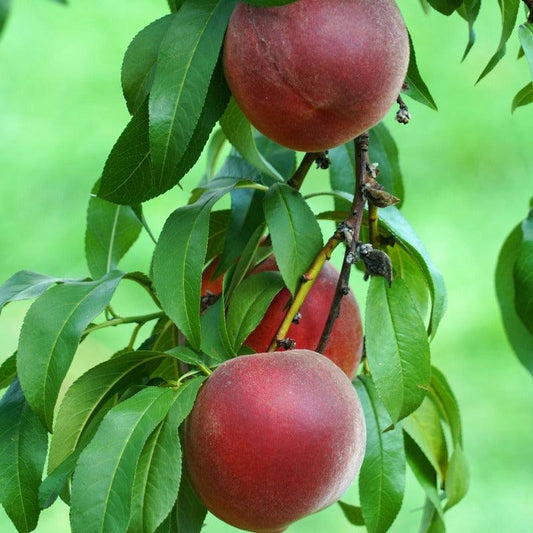
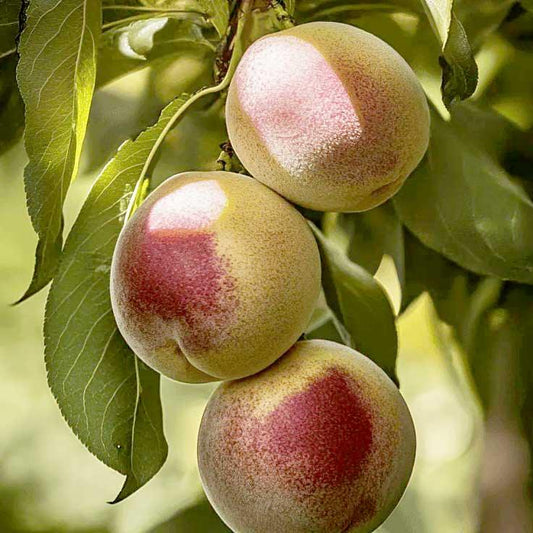
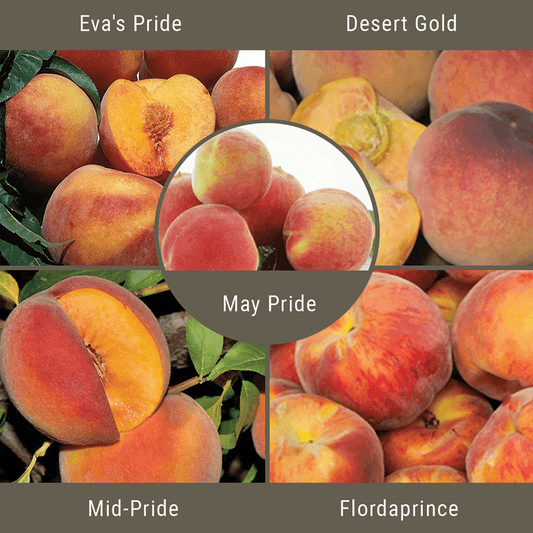
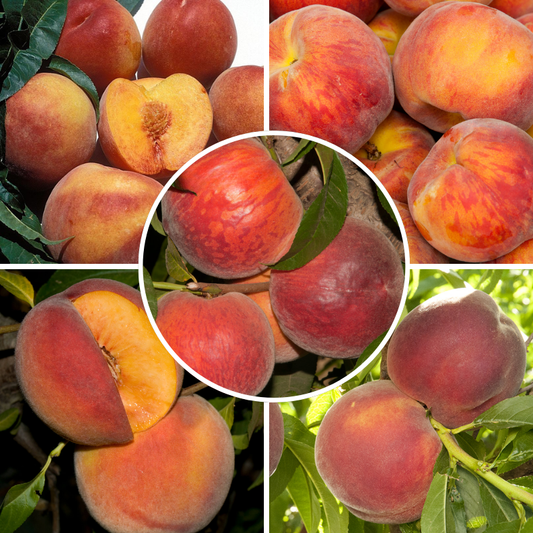
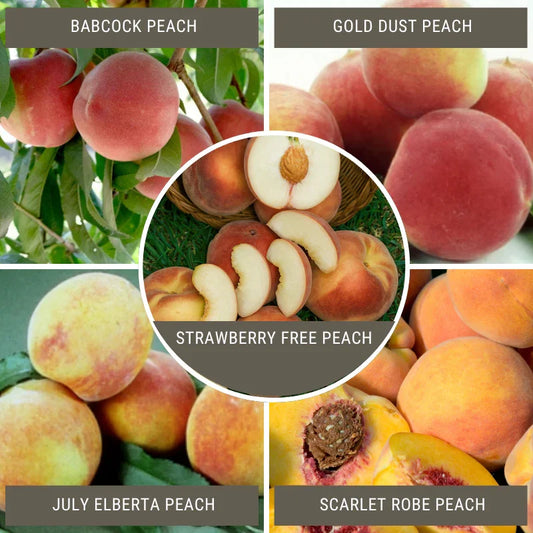
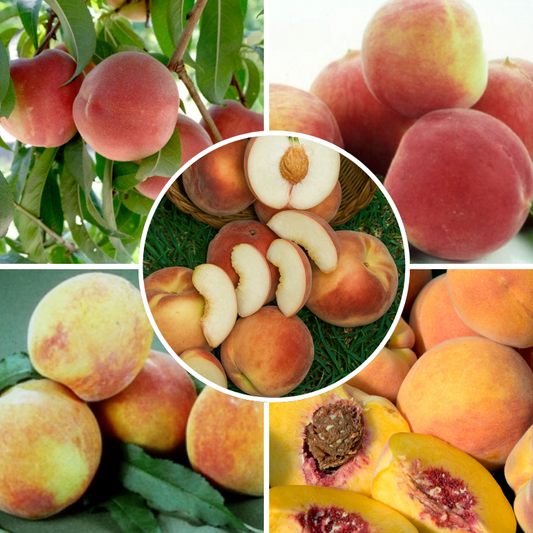
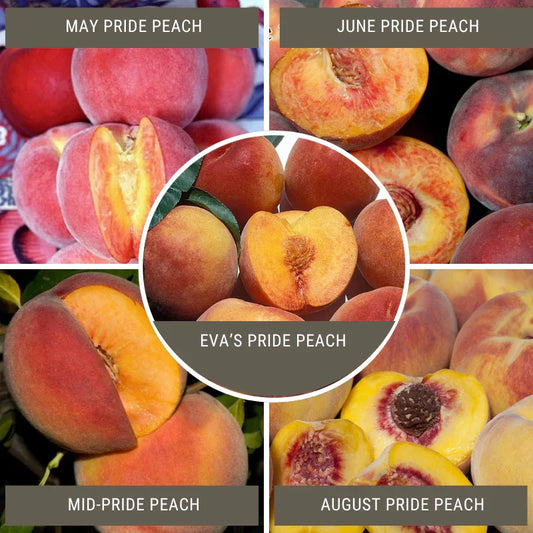
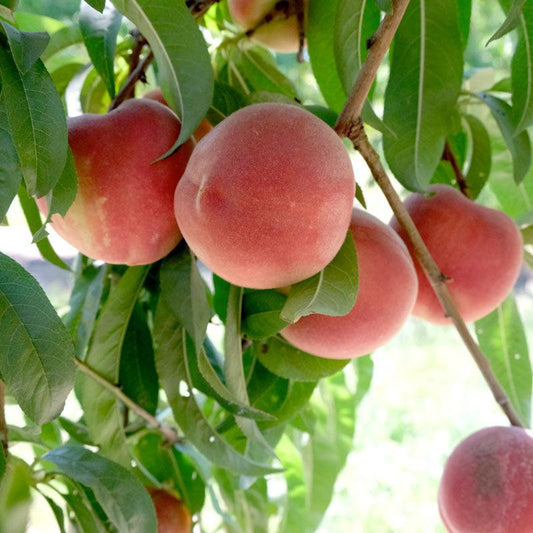
Peaches vary far beyond the familiar round, yellow-fleshed supermarket fruit. This guide is a discovery and selection page for unusual shapes, flesh colors, pit types, flavors, and heritage traits. Availability changes by season, so use the categories to compare current nursery listings rather than treating individual names as permanently stocked.

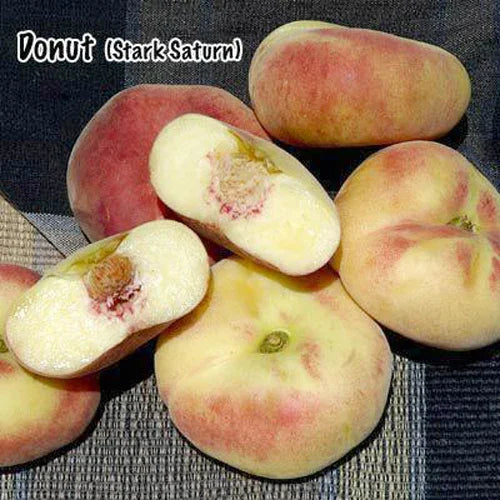
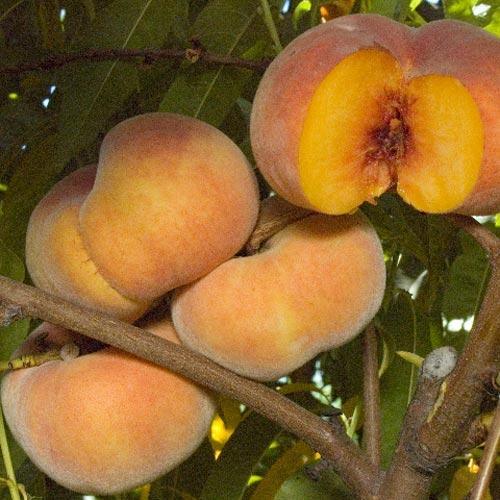
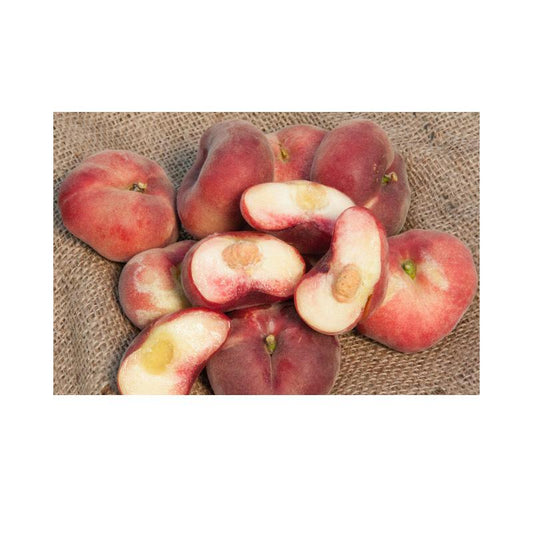
Flat or Donut Peaches
Flat peaches have a compressed, saucer-like shape and are often marketed as donut or Saturn types. Shape does not determine chill requirement, harvest date, pit type, or disease tolerance; compare the named cultivar’s full description before choosing one.
White-Fleshed Peaches

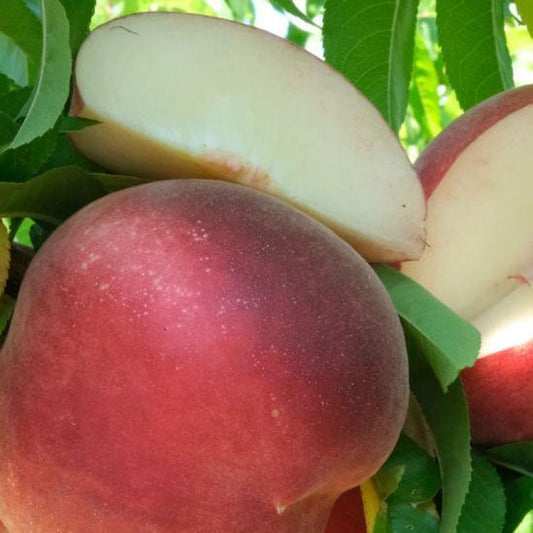
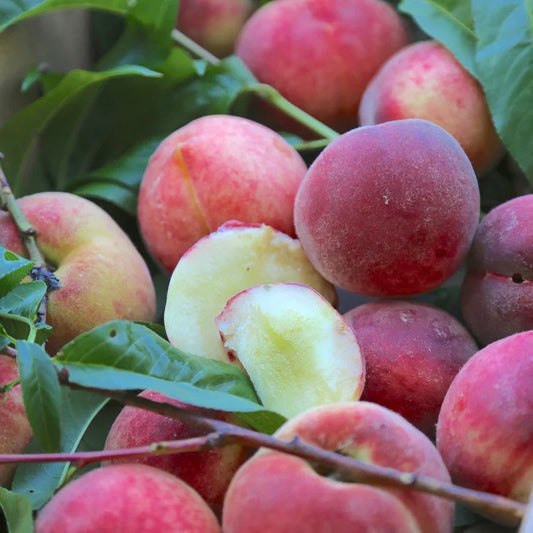
White-fleshed peaches are often selected for aromatic flavor and lower perceived acidity than many yellow-fleshed types. They can be delicate at full ripeness, which makes careful harvesting important. Skin blush does not reliably identify flesh color.
Red- or Blood-Fleshed Types

Some heirloom and specialty peaches develop red pigmentation through much of the flesh. Color intensity varies with cultivar and maturity. These are different from ordinary peaches that show only a red halo near the pit.
Freestone, Clingstone, and Semi-Freestone
Pit attachment matters as much as color for kitchen use. Freestone flesh separates readily from the pit when mature and is convenient for slicing and fresh preparation. Clingstone flesh adheres more strongly and is common among processing types. Semi-freestone cultivars fall between the two.
Old, Regional, and Late-Season Cultivars

Heritage cultivars may persist because of distinctive flavor, adaptation, harvest timing, or cultural history. “Rare” does not automatically mean better for every garden. An old cultivar still needs compatible winter chill, acceptable disease conditions, adequate sun, and the correct pollination arrangement.
How to Choose an Unusual Peach
- Start with climate fit: confirm hardiness and local winter chill.
- Verify pollination: many peaches are self-fruitful, but exceptions exist.
- Choose the eating experience: white, yellow, or red flesh; firm or melting texture; balanced or lower-acid flavor.
- Match the kitchen use: fresh eating, slicing, baking, drying, freezing, or tested canning recipes.
- Compare harvest season: an unusual early or late cultivar can extend an existing orchard’s calendar.
Explore the current bare-root peach tree collection. Gardeners in warm-winter areas should also read the Zone 9 selection guide.