Introduction
Amaranth offers colorful foliage, striking flowers, and food crops suited to warm gardens. People have cultivated grain types for thousands of years. Once a staple food in parts of the Americas, it now appears in gardens and kitchens across North America, including the United States.
Its practical benefits depend on the variety: some provide leafy greens, others grain, and others decorative blooms.

Amaranth Definition and Names
The amaranth meaning comes from a Greek word for “unfading.” The related Amaranthus meaning refers to the lasting flowers of some species.
There is no single amaranth scientific name because the common name covers many species within Amaranthus. What is amaranth grain? It is edible seed used like a cereal grain, although the plant is not a grass. This makes it a pseudocereal.
Often grouped with ancient grains, it brings variety to meals while giving gardeners another option for warm summer beds.
Types and Colors
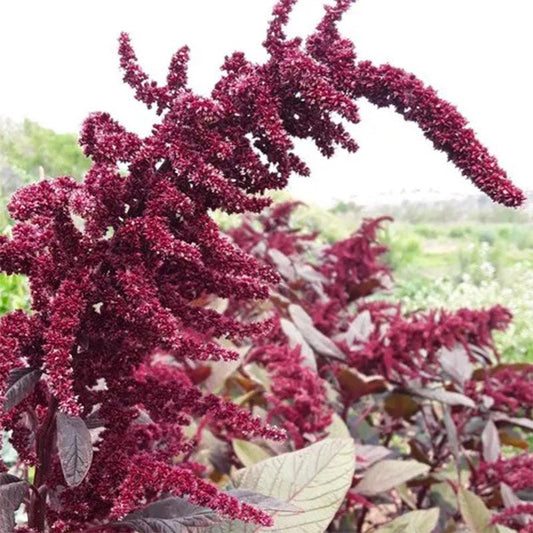
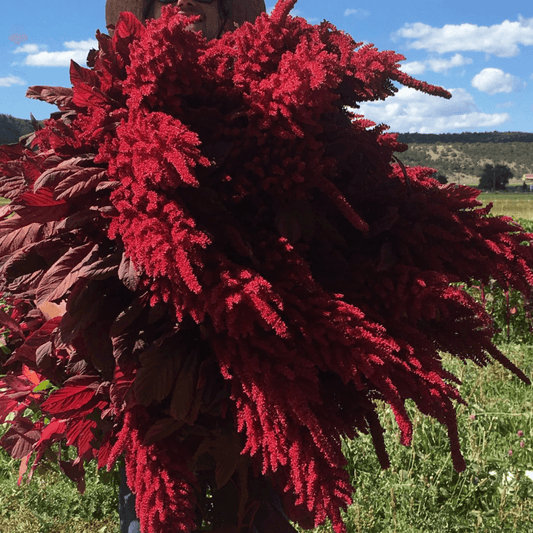
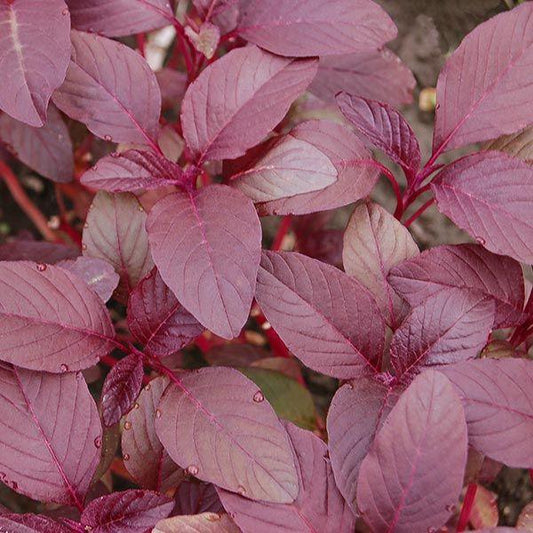
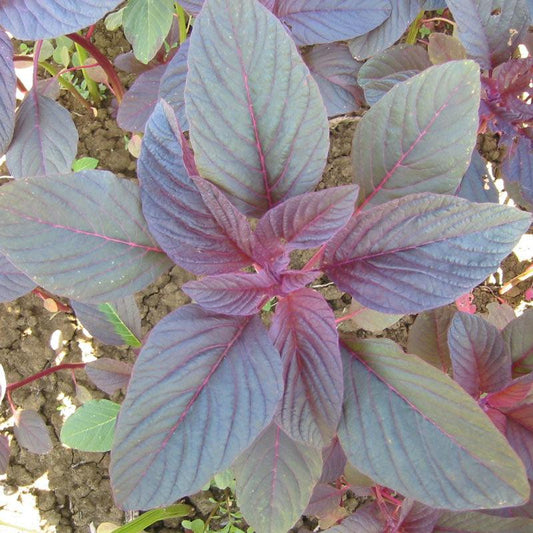
What color is amaranth? Amaranth color varies by species, variety, and plant part. Leaves may be green, red, or mixed, while flower heads range from green to deep burgundy.
- Vegetable types: Amaranthus tricolor is grown for tender foliage.
- Grain types: Selected varieties of A. cruentus and A. hypochondriacus produce harvestable seed.
- Ornamental types: Amaranthus caudatus includes love lies bleeding, known for hanging flower tassels.
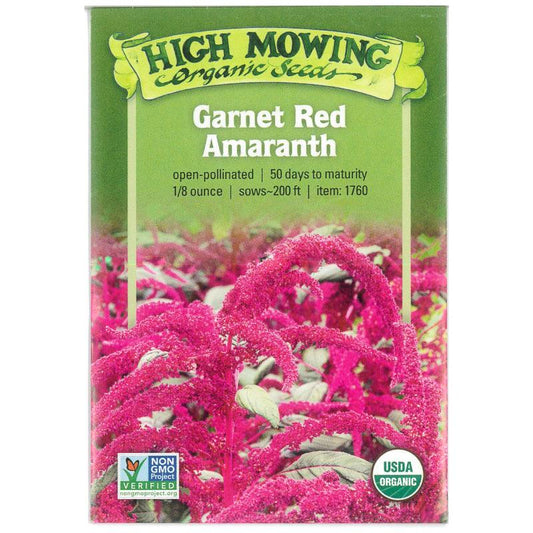
Choose amaranth seeds for planting according to your goal. Compare Organic Red Amaranth Greens in a larger packet, Garnet Red Amaranth, and ornamental Love Lies Bleeding. Do not assume every ornamental selection is equally useful as a grain crop.
| Type | Scientific name | Typical colors | Main uses | Notable features |
|---|---|---|---|---|
| Vegetable amaranth | Amaranthus tricolor | Green, red, purple, or mixed foliage | Leafy greens and ornamental foliage | Grown mainly for leaves rather than showy flowers |
| Love lies bleeding | Amaranthus caudatus | Commonly red or burgundy flowers; green forms also occur | Decorative flowers; selected varieties for grain | Long, hanging flower tassels |
| Red amaranth | Amaranthus cruentus | Green or reddish leaves; flower clusters vary by variety | Grain, greens, or ornamental displays | Upright flower clusters; choose a variety suited to your intended use |
| Prince’s feather | Amaranthus hypochondriacus | Green or reddish foliage; green, red, or purple flower clusters | Grain and ornamental displays | Often forms tall plants with upright flower spikes |
Amaranth vs Quinoa
When comparing amaranth seeds vs quinoa, kitchen texture is a useful starting point.
| Feature | Amaranth | Quinoa |
|---|---|---|
| Cooked texture | Thick and porridge-like | Fluffy with separate grains |
| Common uses | Porridge, soups, flour | Salads, bowls, side dishes |
| Typical simmering time | About 20 minutes | About 15 minutes |
How to Cook Amaranth Grain
How do you cook amaranth? Alberta Health Services suggests one cup of grain with two and a half cups of liquid, cooked for about 20 minutes. Follow package directions and adjust liquid for your recipe.
For more ideas on how to use amaranth, try popped amaranth in snack recipes. Seed can also be ground into flour. Use amaranth flour in recipes developed for it rather than replacing wheat flour without adjustments.
What Does Amaranth Taste Like?
Amaranth taste is earthy, with a nutty flavor. Cooked amaranth thickens as it sits. Young amaranth leaves can be cooked much like spinach.

Growing Amaranth
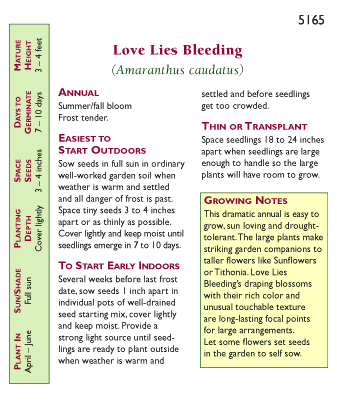
For planting amaranth, choose full sun and well-drained soil. Sow after frost danger passes and soil warms, following packet depth and spacing. Keep the seedbed moist until seedlings establish.
Plants may reach several feet tall, so check mature dimensions. Your growing zone helps with planning, but frost dates and summer warmth matter more for annual crops.
When growing amaranth for food, choose a culinary variety and harvest young foliage regularly. Grain needs a longer season. Collect mature seed heads when seeds rub loose, then dry and clean them thoroughly.
Conclusion
Choose your variety before deciding what is amaranth used for in your garden. Browse amaranth seeds and read Red Amaranth from Seed to Table for more guidance. Matching the plant to its purpose makes harvest and kitchen planning easier.