
When to Harvest Corn: The Key Signs Most Gardeners Overlook
Harvesting corn is one of those moments gardeners look forward to all season. You watch the corn plant grow tall, tassels form, silks appear, and then suddenly you are asking the same question many gardeners do every year: corn when to pick?
Silks turning brown are a helpful clue, but they are not the whole story. For home gardeners, knowing when to harvest corn means understanding how to tell when corn is ready to harvest by reading the plant, checking the corn kernels for fullness and milky juice, and considering the growing conditions. This guide focuses on the practical signs gardeners can use, common harvest mistakes, and how to correctly harvest corn at its peak—whether it was grown from hybrid varieties or traditional sweet corn seeds.

Why Harvest Timing Matters in the Garden
Corn has a short window where flavor, texture, and sweetness are at their best. Miss that window and the quality drops fast. That is why corn harvest time matters so much, especially for sweet corn grown fresh from the garden.
Once corn is ready, sugars in the kernels start converting to starch. Waiting too long leads to tough skins and bland flavor. Picking too early leads to watery kernels that never fully develop. Good harvest timing protects the quality of your entire corn crop.
From Planting to Harvest: Setting the Timeline
Understanding harvest starts early. When to plant sweet corn depends on warm soil temperatures, usually above 55°F. After planting, sweet corn seedlings emerge quickly in good conditions.
Corn grows through clear stages. After tassels form at the top of the plant, silks emerge from developing ears. Because corn is wind pollinated, pollen from the corn heads must land on each silk. Every silk connects to one kernel.
Under normal conditions, sweet corn is usually ready to harvest about 20 days after silks first appear. This timing can shift depending on weather, soil fertility, and the variety of corn you are growing.
Why Brown Silks Are Only One Sign
Silks turning brown tell you pollination likely happened, but they do not guarantee full kernel development. Heat stress, uneven watering, or poor pollination can all lead to partially filled ears of corn.
Gardeners often ask when is corn harvested based only on silk color, but experienced growers check several signs before deciding when to pick corn.
Recommended Corn Varieties for Your Garden
Choosing the right variety helps you match harvest timing to your goals, whether you are growing sweet corn for fresh eating or dry corn for storage.
Sweet Corn Varieties (Harvest at Milk Stage)
- Honey and Cream Corn Seeds
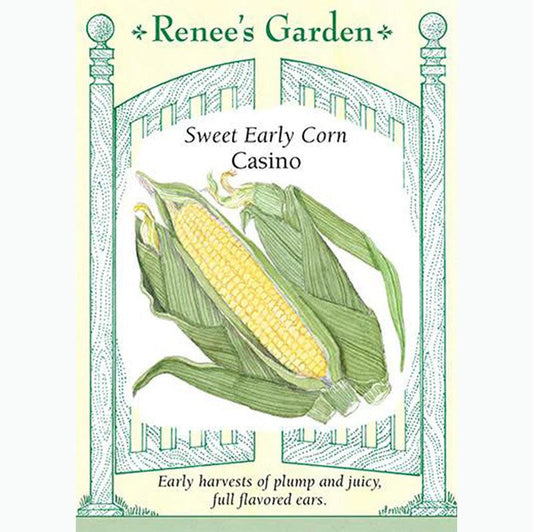
- Casino Sweet Early Corn Seeds
- Sugar Buns Corn Seeds
- Sweet New Mama Corn Seeds (Organic)
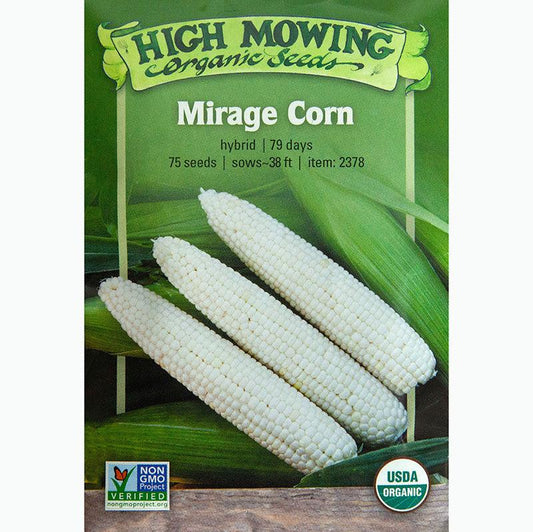
- Mirage F1 Sweet Corn Seeds (Organic)
- Temptress Corn Seeds
- Supersweet Jubilee Corn Seeds
- Serendipity Corn Seeds
- Double Standard Corn Seeds (Organic)
These sweet corn varieties are best harvested when kernels release milky juice and ears are fully filled.
Popcorn & Dry Corn (Left to Mature and Dry on the Stalk)
- Cherokee Long Ear Popcorn Corn (Organic)
- Organic Corn, Cherokee Long Ear Popcorn (1/4 lb)
- Dakota Black Popcorn Corn
- Painted Mountain Corn Seeds (Organic)
- Organic Corn, Painted Mountain (1/2 lb)
These types stay on the plant much longer and are harvested when kernels are fully dry and hard.
Matching your variety to the correct harvest stage ensures the best flavor, texture, and overall corn crop success.

The Most Reliable Signs Corn Is Ready
Kernel Texture Is the Best Test
The most accurate way to know how to tell when corn is ready to pick is to check the kernels. Gently peel back the husk and press a kernel with your fingernail.
- Milky juice means corn is ready
- Clear liquid means it is too early
- Thick, doughy liquid means it is past peak
This simple test answers how do you know when corn is ready to harvest far better than silks alone.
Ear Fill and Shape
Fully developed ears feel firm from base to tip. If the tip is thin or missing kernels, pollination may have been uneven, often due to weather or cross pollination issues.
Healthy ears usually point slightly downward as they mature. A loose or floppy ear often means it is overmature.
Husk Color and Tightness
As harvest approaches, husks shift from bright green to a duller green and feel tight around the ear. This is another signal corn is ready to pick, but it should be confirmed with a kernel check.

Common Harvest Issues Gardeners Face
Picking Too Early
Many gardeners harvest as soon as silks turn brown. When this happens, kernels may look formed but taste watery. If you are wondering when do I pick my corn, remember that visual cues alone are not enough.
Waiting Too Long
Leaving corn on the stalk too long is just as common. Overmature sweet corn becomes starchy quickly. This is one reason gardeners feel disappointed even when plants looked healthy.
Uneven Ears
Poor pollination leads to missing kernels. Corn planted in long single rows or stressed by drought often shows uneven ears. Planting in blocks and following tips from the beginner’s guide to growing corn improves results.
How Growing Conditions Affect Harvest Readiness
Water stress, heat, and low fertility all affect kernel fill. Corn grown in poor growing conditions may show brown silks but still be weeks away from ideal harvest.
Companion planting and good spacing can improve pollination and ear development. The Three Sisters companion planting method is one example gardeners use to support healthier corn growth.

How to Harvest Corn Correctly in the Garden
For home gardeners, harvesting is simple once you know how to harvest corn properly.
- Hold the stalk firmly with one hand
- Twist the ear downward
- Pull sharply to detach
This method answers how do you harvest corn without damaging the plant or nearby ears. Harvest early in the morning when sugars are highest.
Large farms use a corn harvester or corn picker for mechanical harvesting, but hand harvesting is best for gardens.
Different Types of Corn, Different Harvest Goals
Not all corn is harvested the same way. Sweet corn is picked at peak sugar content. Field corn and popcorn stay on the plant much longer to dry fully.
Understanding the type of corn you grow matters. Resources like our article on how to grow sweet corn, popcorn, or dry corn explain these differences in detail.
Conclusion
Knowing when is corn ready to harvest takes more than watching silks turn brown. By checking kernel texture, ear fill, and husk condition, gardeners can harvest corn at its peak instead of guessing.
Pay attention to planting timing, pollination, and growing conditions, and your harvest will be far more rewarding. With practice, deciding when do you harvest corn becomes second nature.
Explore a wide range of options in our corn seeds collection and match harvest timing to the corn you love growing.