
Beginner’s Sericulture in California
Raising silkworms as a backyard homesteading project sits in the sweet spot between science project and slow craft. A quirky, evergreen, and surprisingly approachable—as long as you can supply clean mulberry leaves for silkworms every day.
This guide walks beginners through ethical and legal basics (with legal notes on raising silkworms in California). Discussing silkworm rearing equipment, Silkworm habitat and the silkworm lifecycle, and leaf management on your mulberry so you can feed larvae without starving your tree.
This guide helps beginners learn key ethical and legal points, including California rules. It goes over basic silkworm supplies for silkworm farming at home and the covers the silkworm life cycle. It also explains mulberry leaf care, so you can feed larvae safely. You will avoid harming or over stripping your tree.
The goal isn’t to compete with silk industry. A safe, sustainable way to start beginner sericulture. It also pairs perfectly with backyard fruit growing.
Why Mulberry + Silkworms Work So Well
Domesticated silkworms (Bombyx mori) have spent thousands of years evolving alongside mulberries. Most strains eat little else with enthusiasm.
That is why a healthy mulberry in your yard matters when rearing silkworms. Even a well-managed patio tree can work. It becomes the engine that powers the whole experience.
The project stays fresh each year because you can match a small, teachable batch to spring leaf growth.
Then repeat it during later growth spurts. If you already care for fruit trees, you’ve got the instincts for Bombyx mori care: consistent environment, clean food, and gentle handling.
Legal and Ethical Basics (with California Notes)
Legal: In most of the U.S., B. mori is treated as fully domesticated and is commonly kept for education and crafts. Still, rules for importing eggs or live insects can vary. If you are raising silkworms in Californian you should check current guidance from state agriculture authorities before ordering. Wherever you live, buy from reputable sources, confirm species, and never release larvae or moths outdoors.
Ethics: Traditional silk is harvested by killing the pupa during silkworm cocooning. You have options.
Many hobbyists allow moths to emerge and use post‑emergence cocoons for crafts; others freeze cocoons quickly and humanely for reeling. Choose the path that matches your values, and be transparent when involving kids or students in home silk production.
Choosing a Host Tree and Planning Your Leaf Supply
A steady supply of pesticide‑free leaves is the foundation of how to feed silk worms. Here’s how to match your tree to your goals:
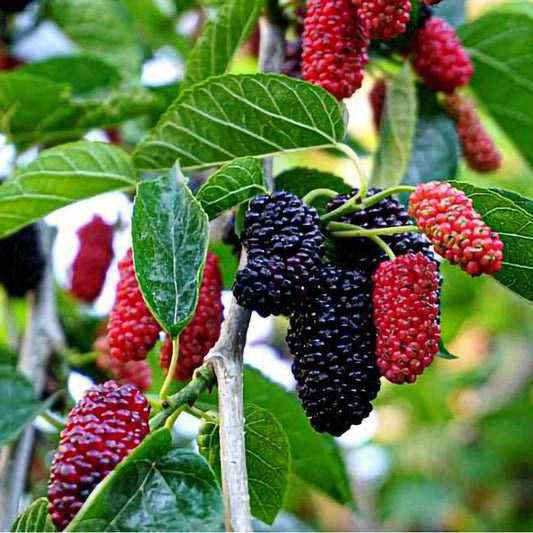
- Species & cultivars: Morus alba (white mulberry) is the classic feed, but many strains accept M. rubra (red), M. nigra (black), and popular garden selections. Compact choices like “Dwarf Everbearing” or “Gerardi Dwarf” keep leaves within reach for daily harvests. Vigorous types like “Shangri‑La,” “Illinois Everbearing,” or “Pakistan” provide more volume for larger batches.
- Tree size & access: A patio‑sized tree is perfect for beginners—easy to net from birds and easy to prune for tender regrowth.
- Leaf quality: Tender, unblemished growth is ideal for hatchlings; mature leaves suit later instars. Commit to organic practices; systemic pesticides make leaves unsafe.
If you’re starting from a young tree, grow your first batch of caterpillars small (dozens, not hundreds) to match your mulberry leaf harvest for silkworms capacity.
Pruning and Leaf Management for Steady Silkworm Feed
To keep your tree healthy while feeding larvae, think “staggered regrowth”:
- Early spring: Tip‑prune a few branches to trigger soft flushes. That gives you premium leaves for the first instars.
- Midseason: Rotate harvest zones. Strip a handful of leaves from one quadrant, then let it regrow while you pick the next.
- Height control: Keep the canopy under 8–10 feet so daily picking stays safe and quick. This uses the same principle as fruiting, but it is tuned for leaf production. Use light pruning and avoid removing whole shoots. Aim for a balance between photosynthesis (tree vigor) and feed.
Simple Silkworm Rearing Equipment (No Lab Required)
A basic kit covers sanitation, airflow, and comfort:
- Shallow trays or boxes (plastic or cardboard) lined with clean paper or paper towels
- Fine mesh or breathable lids to keep pets and dust out
- Soft brush for moving tiny hatchlings without harm
- Thermometer/hygrometer to track silkworm temperature and humidity
- Cocooning frames—corrugated cardboard, straw bundles, or dedicated racks
Keep the setup in a calm, clean room with indirect light. Good air exchange matters; stagnant, humid air invites disease.
The Silkworm Life Cycle, Step by Step
Understanding the rhythm helps you size your project:
- Silkworm Eggs (diapause or fresh): Pinhead‑small; hatch timing depends on storage and temperature.
- Silkworm Larvae (five instars): The eating phase. Early instars are tiny and fragile; later instars are leaf‑shredding machines.
- Cocooning: Larvae wander, then spin cocoons over 2–3 days.
- Pupa → Moth: If allowed, moths emerge in about 10–14 days, mate, and lay eggs.
Plan your beginner sericulture batch around your tree’s flushes so there’s never a day you can’t feed.
Temperature, Humidity, and Cleanliness
Consistent environment keeps losses low:
- Target range: 75–82°F (24–28°C) with 65–80% relative humidity. Cooler rooms slow growth; hot, dry rooms cause stress and molting issues.
- Ventilation: Fresh air without drafts—open mesh lids, not airtight boxes.
- Sanitation: Remove leftover leaves and frass daily. Replace liners as needed to keep trays dry.
This is the core of Bombyx mori care: steady conditions, clean surfaces, no chemical cleaners near the trays.
How to Feed Silkworms (From Hatch to Cocoon)
Match leaf size and prep to larval stage:
- Days 1–5 (instars 1–2): Use brand‑new, tender leaves. Mince finely or chiffonade; feed 3–4 times daily in small amounts so nothing sits wet.
- Days 6–15 (instars 3–4): Shift to larger pieces or whole soft leaves; feed 2–3 times daily.
- Final instar: Whole leaves by the handful. Keep trays dry by shaking off excess moisture if you just rinsed leaves.
Always wash hands before handling food or larvae. If you must refrigerate leaves, wrap them in barely damp paper towels and use them within 24–48 hours—fresh daily is better.
Silkworm Cocooning: Set the Stage and Choose Your Finish
When silkworm caterpillars stop eating and begin to wander, they’re ready to spin. Provide:
- Cocooning surfaces: Upright corrugated cardboard panels, bundled twigs, or a purpose‑built frame.
- Quiet, clean space: Reduce handling and vibrations.
Your options at this stage:
- Allow emergence (ethical craft route): Moths exit, you keep “cut” or post‑emergence cocoons for art or stuffing.
- Freeze‑then‑reel: Quick, humane freezing before reeling preserves filament. If you choose this, keep the process out of sight for younger children.
Either way, maintain hygiene; moldy cocoons signal too much humidity or poor airflow. Harvesting silk cocoons in a delicate process.
Scaling Responsibly and Sourcing Leaves
If your first batch of silk fiber goes smoothly, scale slowly. Double the larvae only when you’ve proven your mulberry leaf harvest for silkworms can keep pace for the heaviest feeding days. If you’re short on leaves late in the cycle, it’s better to rehome some larvae to another hobbyist than to starve the whole group. Never substitute unrelated plant leaves; most strains are strict mulberry specialists.
Varieties and Tree Care Notes for Leaf Yield
For leaf production, vigorous selections shine, but dwarfs make logistics easier:
- ‘Dwarf Everbearing’ and ‘Gerardi Dwarf’: Compact habit; perfect for patios and small yards. Manage height with light summer tipping to push soft regrowth—it’s ideal for hatchlings.
- ‘Shangri‑La’ and ‘Illinois Everbearing’: Larger leaves and robust growth; great for steady supply if you have room.
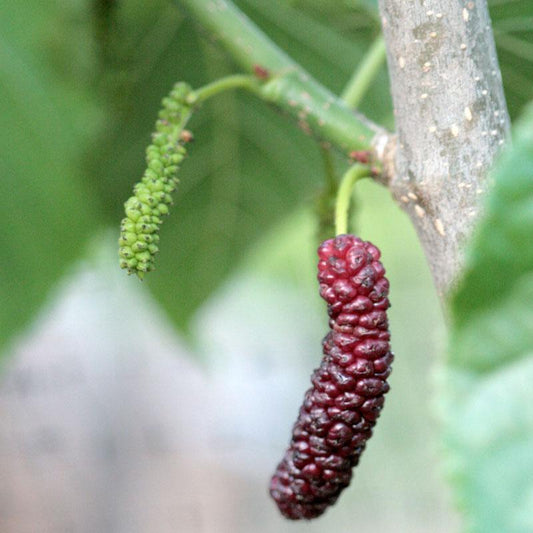
- ‘Pakistan’: Long fruit and strong vegetative vigor in warm climates; prune thoughtfully to balance fruit and leaf needs.
Whichever you choose, keep the canopy airy, water evenly during hot spells, and avoid high‑nitrogen surges that lead to watery leaves and pest pressure.
In Summary
DIY silk production is a hands‑on lesson in biology, patience, and gentle stewardship. Keep your backyard silk production small at first, match hatch numbers to your tree’s leaf flush, and commit to clean daily routines. Set up simple silkworm rearing equipment for your small-scale sericulture. Keep the temperature and humidity steady.
For your sustainable silk feed your silkworms only fresh mulberry leaves. Use minced leaves early, then whole leaves later to increase your natural fiber production..
As you learn the silkworm life cycle, you’ll also learn to prune and manage your mulberry for steady leaf regrowth without compromising the tree. Whether you let moths emerge or harvest cocoons for craft, thoughtful Bombyx mori care can last. It turns a curious project into a sustainable practice.