June Garden Checklist: What to Plant, Harvest, Protect & Prepare for Summer
June is one of the most active months in the garden. The soil is warm, summer crops are taking off, fruit trees are sizing up their harvests, and gardeners are shifting from spring planting into summer care. It is a month of momentum: sowing, staking, mulching, pruning, watering, thinning, harvesting, and planning ahead for July.
Whether you are growing vegetables, flowers, fruit trees, herbs, or cover crops, June is the time to help your garden settle into the heat and produce strongly through summer.
Warm Soil Means It Is Time to Direct Sow Summer Crops
By June, the soil has usually warmed enough for fast-growing summer vegetables to be direct sown outdoors. These heat-loving crops germinate quickly in warm soil and grow best once chilly nights have mostly passed.
Good crops to direct sow in June include:
- Beans for fresh eating or drying
- Summer and winter squash
- Melons
- Corn
- Pumpkins
- Cucumbers
- Okra
- Sunflowers
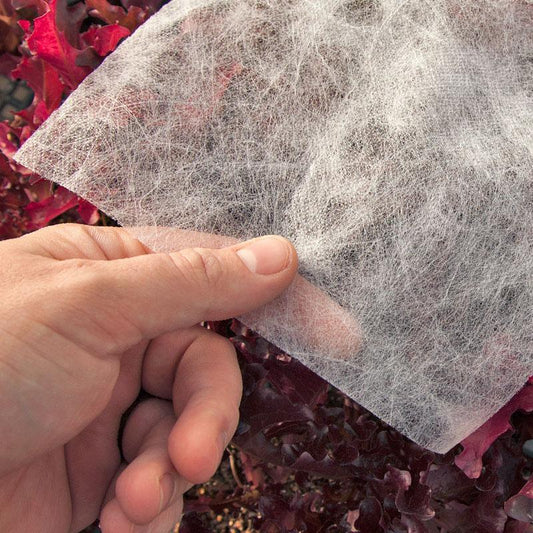
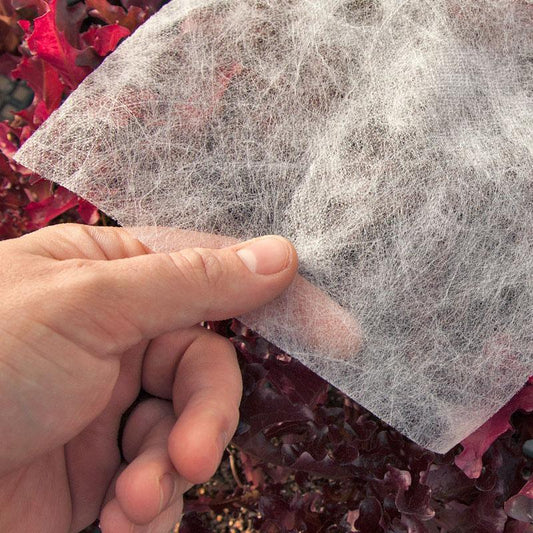
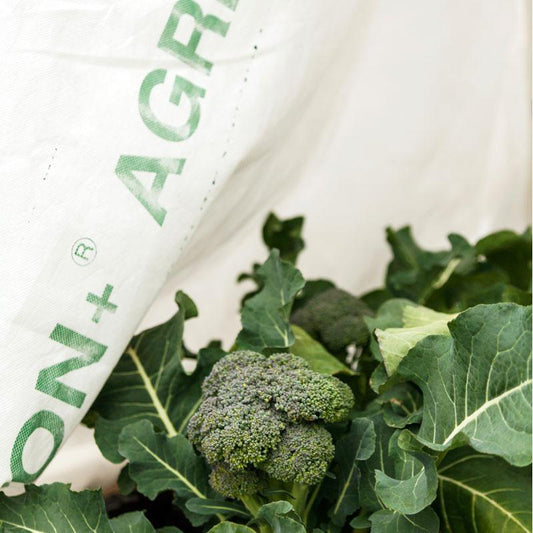
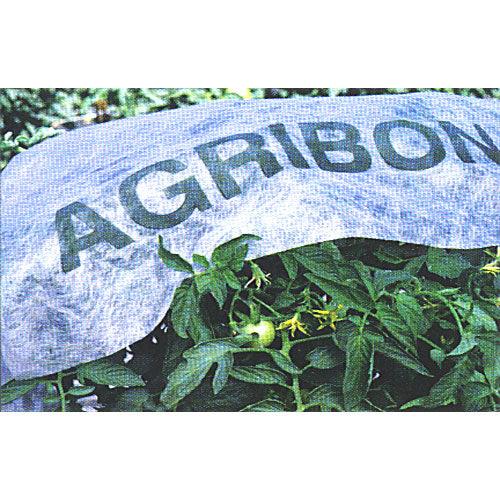
These tender annuals do not appreciate cold conditions. If your area still gets late frosts or nighttime temperatures below 45°F, keep floating row cover nearby. A lightweight row cover can help protect young seedlings from cold nights, wind, and early pest pressure.

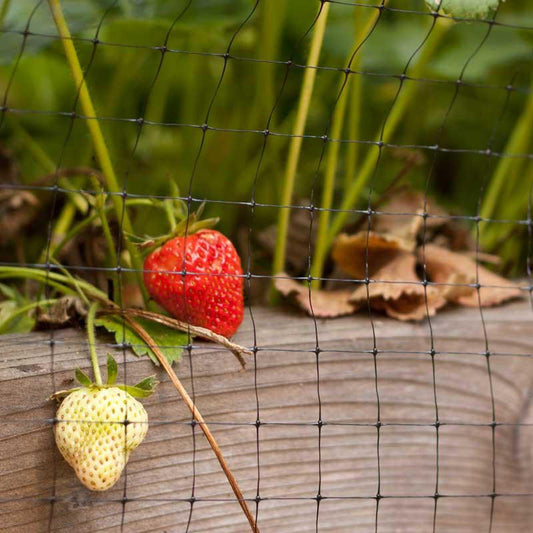
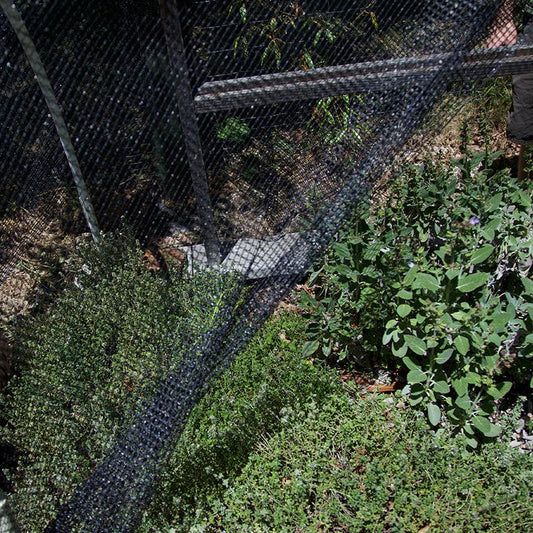
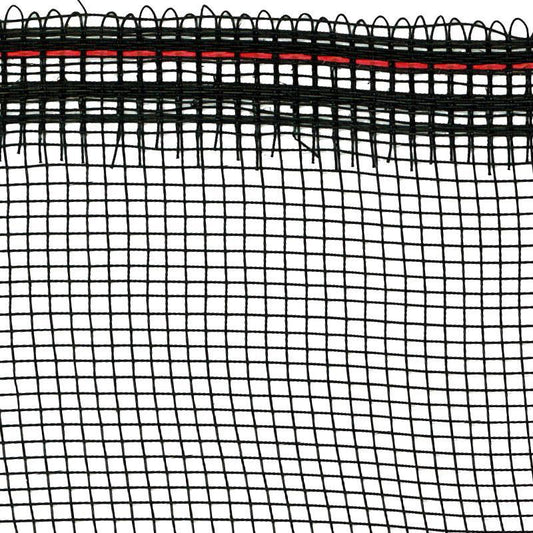
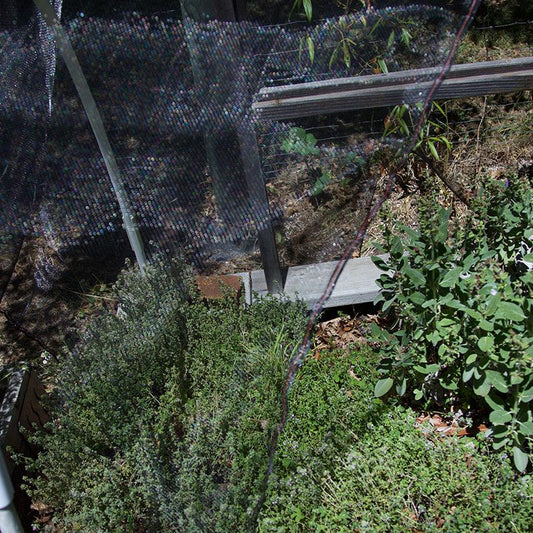
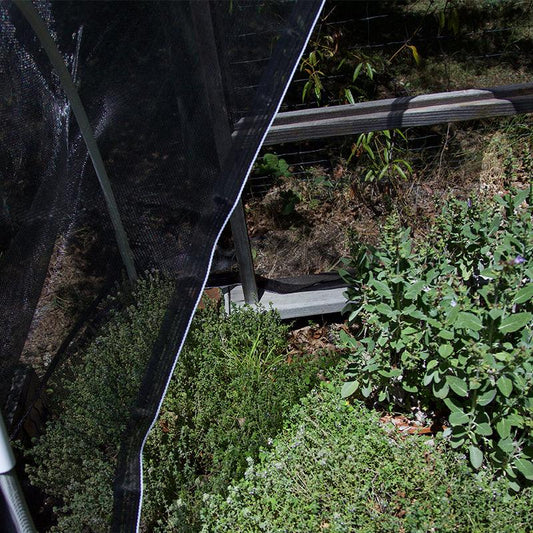
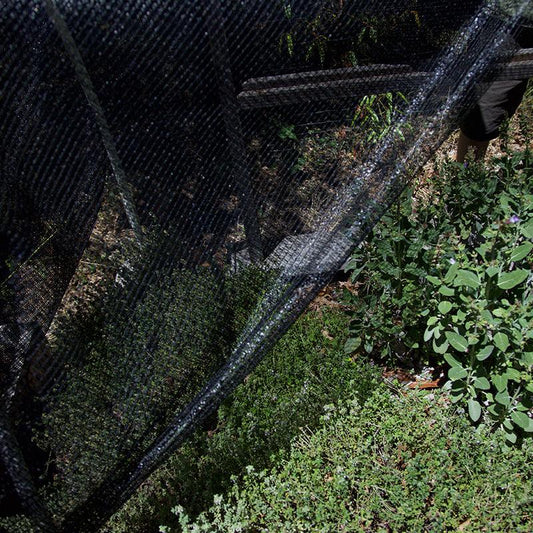
Birds can also be a problem once corn, beans, and sunflowers begin to sprout. Newly emerged seedlings are tender, visible, and apparently irresistible to every bird in the neighborhood. Protect young starts with bird netting or lightweight row cover until the plants are large enough to fend for themselves.
Extend Cool-Season Crops Before the Heat Wins
If your peas, lettuce, greens, or other cool-season crops are still producing, June heat can quickly push them toward bolting or decline. Shade cloth can help stretch the harvest a little longer.
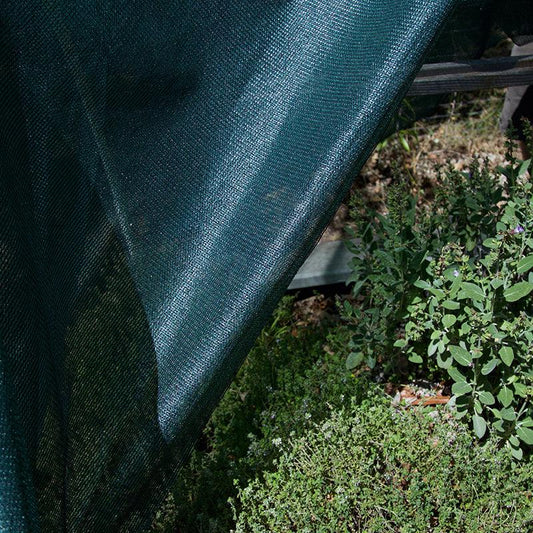
A 30–45% shade cloth is usually enough to cool plants without blocking too much light. Use it over lettuce, spinach, tender greens, peas, and other crops that struggle once temperatures rise. This is especially useful during sudden heat waves, when a few degrees of protection can keep plants productive instead of sending them straight to seed.
Watch Garlic Closely for Harvest Timing
Garlic planted the previous fall may be nearing harvest in June, depending on your region. One of the first signs is the appearance of garlic scapes. These curling flower stalks should be removed once they begin to curl into a loop. Removing scapes helps the plant send more energy into bulb development instead of seed production.

Do not toss the scapes. They are excellent sautéed in olive oil, added to pestos, chopped into stir-fries, or used anywhere you want a mild garlic flavor.
Garlic is usually ready to harvest when the bottom three or four leaves have dried down. If you are not sure, gently dig up one bulb and check its size and wrapper development. A mature bulb should be swollen, well-formed, and showing partially developed wrappers.
About two weeks before harvest, stop watering. This helps reduce the chance of rot and gives the bulbs time to cure properly. Harvesting garlic is part science, part judgment call. It is usually better to harvest slightly early than too late, when the wrappers begin to break down and storage quality drops. Planning ahead? Browse our organic seed garlic for fall planting.
Support Tomatoes, Peppers, Eggplants & Pole Beans
By June, tomatoes planted in May or earlier should be growing quickly and need support. Staking early prevents broken stems, keeps fruit off the soil, improves air circulation, and makes harvesting much easier.
Common support options include:
- Bamboo stakes
- Tomato cages
- Trellis netting
- Twine suspended from an overhead support
- Garden ties, clips, or soft strips of fabric

Peppers, eggplants, and pole beans may also need support as they grow. Adding supports early is much easier than wrestling a sprawling plant back into order later. June plants grow fast; procrastination here has a sense of humor, and it is not kind.
This is also the time to prune suckers from indeterminate tomatoes. Removing suckers can improve airflow, make plants easier to manage, and direct growth upward. Be careful not to prune determinate tomatoes the same way. Determinate varieties produce most of their fruit over a shorter window, and heavy pruning can reduce your harvest.
Thin Fruit Trees for Bigger, Better Fruit
By June, many fruit trees have set fruit, and the crop is beginning to size up. Once young fruit is about the diameter of a quarter, thin clusters to reduce branch breakage and improve final fruit size.
Thinning may feel painful at first, but it is one of the best things you can do for tree health and fruit quality. A tree carrying too much fruit often produces smaller, lower-quality fruit, and overloaded branches can snap under the weight. Thin according to the type of tree and fruit variety, leaving enough space for each fruit to mature properly.
Mulch After Irrigation Is in Place
Once drip irrigation or your summer watering system is set up, apply mulch around your plants. Mulch helps conserve moisture, moderate soil temperature, reduce weed pressure, and protect soil structure.

Straw is a popular option because it is easy to find, affordable, and simple to spread. Other mulch options include shredded leaves, compost, untreated grass clippings, or other organic materials appropriate for your garden.
Mulching in June is especially valuable before the serious summer heat arrives. It is much easier to keep soil moisture steady than to rescue stressed plants after the soil has baked dry.
Plant a Summer Cover Crop in Empty Garden Space
If you have open beds or unused garden space, consider planting a summer cover crop. Warm-season cover crops help suppress weeds, feed soil life, reduce erosion, and build organic matter.
A summer soil-building mix with buckwheat and cowpeas is a strong choice. Buckwheat grows quickly and helps shade out weeds, while cowpeas add biomass and support soil fertility. Many summer cover crops can be grown for six to seven weeks before being cut down or incorporated, making them a practical option between spring and fall plantings.
This is a smart strategy for gardeners who do not want bare soil sitting exposed in the heat. Empty space is not really empty; it is an open invitation for weeds.
Keep Flowers Blooming for You and the Pollinators
June is a great time to add more flowers to the garden. Summer-flowering bulbs and tubers can bring color, structure, and pollinator activity through the warm months.
Good options include:
- Gladiolus
- Lilies
- Calla lilies
- Cannas
- Begonias
- Freesia
- Anemones
- Ranunculus
- Crocosmia
- Dahlias
You can also direct sow fast-growing flowers such as zinnias, marigolds, cosmos, sunflowers, nasturtiums, and poppies. These flowers grow quickly and can provide summer color, cut flowers, and beneficial insect habitat.
To keep blooms coming, deadhead spent flowers regularly. Removing faded blooms encourages many plants to produce another flush of flowers instead of putting energy into seed production.
June Watering & Heat Prep
June is the right time to get serious about irrigation. As temperatures rise, inconsistent watering can lead to stressed plants, blossom end rot in tomatoes and peppers, poor fruit set, bitter greens, and reduced yields.
Useful June watering tasks include:
-
Inspect drip irrigation lines for clogs or leaks
-
Add timers before peak summer heat
-
Group plants with similar water needs together
-
Water deeply and less frequently where appropriate
-
Mulch after watering systems are working properly
Gardeners should also keep shade cloth, row cover, and frost cloth organized and ready. In June and July, these materials are not just for cold protection; they are also tools for managing sun, wind, pests, and heat stress.
June Pest & Disease Watch
Warm weather brings rapid growth, but it also brings pests. Check plants regularly so problems are caught early, before they turn into a full garden soap opera.
Common June monitoring tasks include:
-
Inspect undersides of leaves for aphids, whiteflies, and mites
-
Watch squash plants for squash bugs and cucumber beetles
-
Check brassicas for cabbage worms if spring crops are still growing
-
Improve airflow around tomatoes to reduce disease pressure
-
Remove diseased leaves promptly and dispose of them away from the garden
Healthy soil, consistent watering, spacing, pruning, and crop diversity all help reduce pest and disease problems before sprays are needed.
Plan Ahead for July
June is also the bridge into July. A little planning now can keep the garden productive through the hottest part of summer and set up a strong fall season.
As July approaches, gardeners can begin thinking about:
-
Starting fall brassicas such as broccoli, cabbage, cauliflower, and kale
-
Succession sowing beans, cucumbers, basil, dill, cilantro, and summer flowers
-
Refreshing mulch where it has thinned
-
Increasing irrigation frequency during heat waves
-
Harvesting garlic, onions, potatoes, and early summer crops
-
Solarizing empty beds in hot climates
-
Planting additional cover crops in unused spaces
-
Preparing shade structures for lettuce, greens, and tender transplants
July rewards gardeners who prepare in June. Once the heat settles in, the best strategy is to keep plants watered, mulched, supported, harvested, and protected.
Seasonal Opportunities for Gardeners
June and early July are strong months to focus on practical garden maintenance products. Gardeners are actively solving problems: heat, watering, pests, weeds, plant support, and harvest timing.
Helpful seasonal categories include:
- Row covers and frost blankets for young starts and pest protection
- Bird netting for vulnerable seedlings and fruit crops
- Shade cloth for greens, lettuce, peas, and heat-sensitive crops
- Bamboo stakes, cages, trellis, clips, ties, and twine for plant support
- Drip irrigation, timers, fittings, and repair parts
- Mulch materials and weed suppression supplies
- Summer cover crop seed
- Flower bulbs, flower seed, and pollinator-friendly plants
- Harvest tools, pruning tools, and garden knives
- Organic pest monitoring and control products
For content and merchandising, June is a good time to connect educational articles with product collections. Gardeners are not just browsing; they are trying to fix immediate problems. Content that answers "what should I do this week?" can naturally lead into tools, supplies, seeds, and seasonal solutions.
June Garden Priorities at a Glance
- Direct sow warm-season crops
- Protect seedlings from birds, pests, and cold nights
- Use shade cloth to extend cool-season harvests
- Cut garlic scapes and monitor garlic for harvest
- Stake and prune tomatoes
- Support peppers, eggplants, and pole beans
- Thin fruit trees once fruit reaches quarter size
- Set up irrigation before heavy summer heat
- Apply mulch to conserve water and suppress weeds
- Plant summer cover crops in empty beds
- Deadhead flowers and sow fast summer bloomers
- Begin planning July succession planting and fall crops
Most of all, June is a month to enjoy the garden. The work is real, but so is the reward: warm soil, fresh harvests, flowers, pollinators, and the satisfaction of growing organically through the heart of summer.
Grow well, keep the soil covered, and grow organic for life.