


Item Number: SNV3027
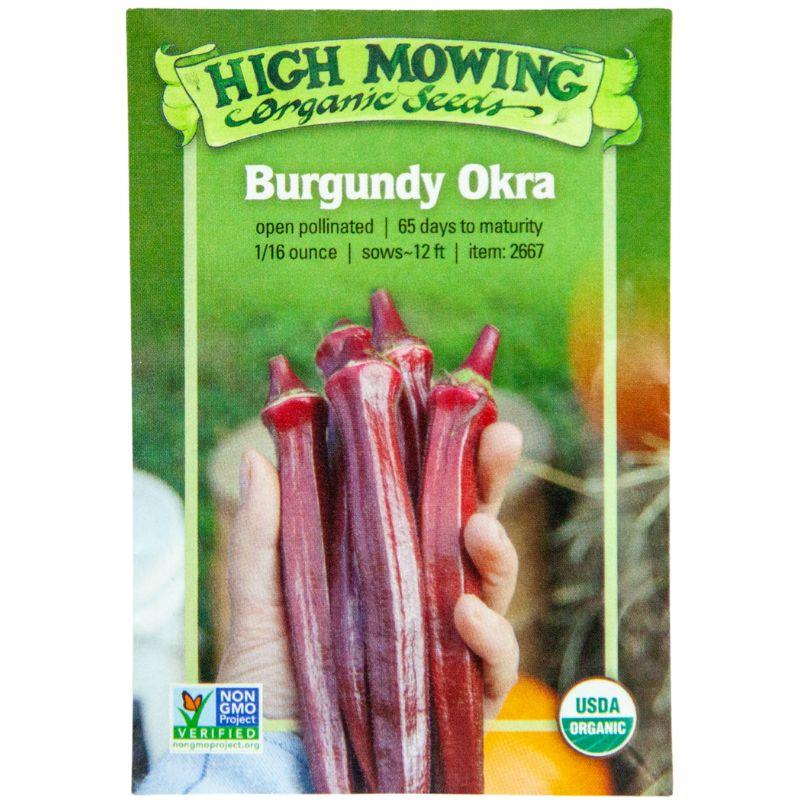
Burgundy Okra Seeds (Organic)
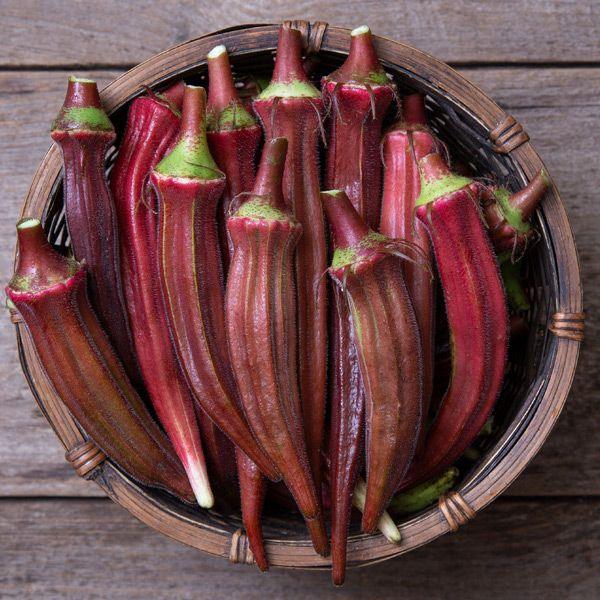
Deep red pods with bold flavor.



Check Your Zone Compatibility:

Our Guarantee To You
Since 1976, we've served our customers at every stage of growing. Please contact us at any time. We are happy to support and assist you.
Description
Description
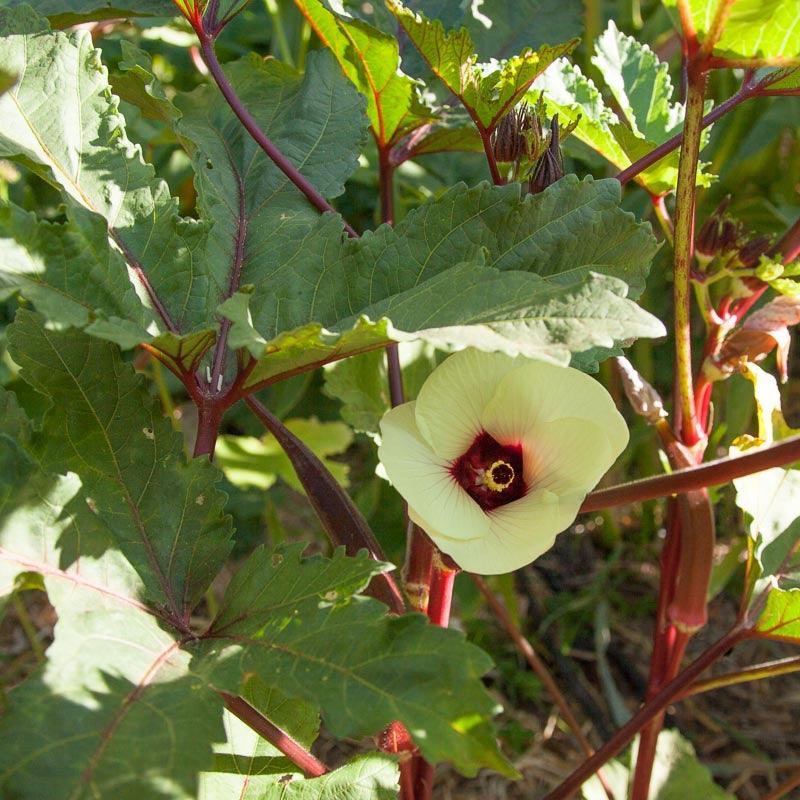
Burgundy Okra is a stunning heirloom variety prized for its vibrant color and tender pods. The burgundy okra plant produces striking deep red stems and pods that add both beauty and flavor to any garden. The burgundy okra pods are slender, tender, and mildly sweet, making them perfect for frying, grilling, or adding to soups and stews. Their eye-catching color remains vibrant when cooked lightly, making them a standout in culinary creations. Thriving in warm climates, the burgundy okra plant grows tall and robust, with a prolific yield of pods throughout the growing season.
Variety Details
- Plant type: Tender Annual
- Growth habit: Upright
- Crop category: Vegetable
- Kitchen profile: Burgundy Okra is a stunning heirloom variety prized for its vibrant color and tender pods.
- Recorded feature: Open-Pollinated
- Product format: Seed packet
Sowing & Growing
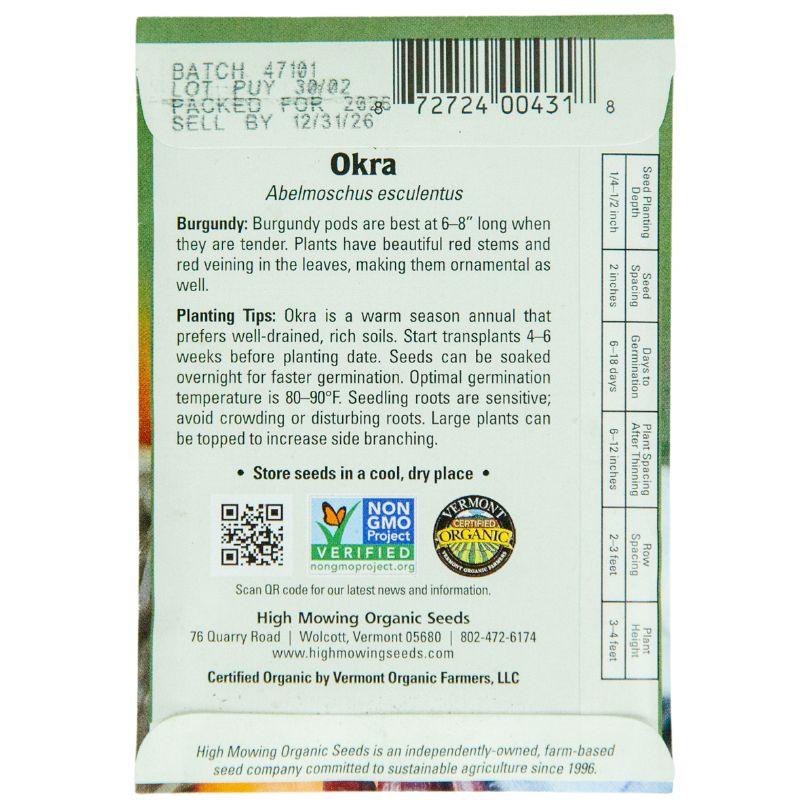
- Soil Temperature: 70-95°F
- Planting Depth: 1/2 to 1 inch
- Germination: 7-14 Days
- Height At Maturity: 4-6 feet
- Days To Maturity: 55-65 Days
- Sun/Shade: Full Sun
- Spacing After Thinning: 12-18 inches
Use the product-specific sowing figures for Burgundy Okra as the starting point, then adjust timing to local soil temperature and frost conditions. Prepare the bed before planting, preserve the recorded spacing, and evaluate moisture at root depth instead of following a universal calendar. Watch development as the stated maturity window approaches and harvest at the size, texture, or color preferred for the crop. Label the row with the sowing date so actual performance can inform future plantings.
Before sowing Burgundy Okra, review the packet alongside the current product details and note any range in temperature, germination, or maturity. Ranges reflect biological and seasonal variation rather than a fixed promise. Label each planting with its date and location, then compare emergence, growth, and harvest with local weather. This record is useful for succession plantings and for deciding whether the crop fits better into an earlier or later seasonal window.
Explore related options in our Okra Seeds.
Seed Pack Shipping
Seed Pack Shipping
Qualifying seed-pack-only orders under $50 ship for a $7 flat rate via USPS. Spend $50 or more on qualifying seed packs and receive free USPS shipping. Available within the contiguous 48 states.
Shipping Information
Shipping Information
Shipping Weight: 0.02 lb
Dimensions: 4.5"L x 3.25"W x 0.1"H
Features
Features
- Heirloom
- Open-Pollinated
- Succession Planting
Characteristics
Characteristics
Planting & Care
Planting & Care
Soil & Water: Okra prefers moderately rich soil. Its low water requirements make it an easy plant to grow.
Planting & Growing: Okra is heat loving. Sow seeds outside in spring after all danger of frost has passed, when the soil temperature has reached 70F. It's a good succession plant after early, spring-maturing crops. Expect good yields on this 4'-tall, bushy plant.
Harvesting & Storage: Pick okra pods when they are 2"-3" long for tenderness. They are best tasting when eaten the same day. Some people develop a contact dermatitis while handling okra; avoid the itchiness by wearing a long-sleeved shirt and gloves.
Useful Information
Useful Information
Guarantee
Guarantee


- Choosing a selection results in a full page refresh.
- Opens in a new window.