Bean Rust: What It Is, Why It Happens, and How to Slow It Down Before It Spreads
Healthy bean plants grow quickly in warm weather, often producing heavy harvests in just a few weeks. But one disease that affects bean crops worldwide is bean rust. If you notice small reddish spots spreading across the leaf surface, it is important to act early.
This guide explains bean rust disease, why it develops, and practical steps a home gardener can take to slow it down.

What Is Bean Rust?
Bean rust is a fungal disease caused primarily by Uromyces appendiculatus. The bean rust fungus infects many types of bean, including snap bean, dry beans, bush bean, pole bean, and even some runner bean varieties.
Early stage green bean rust begins as tiny pale spots. These develop into raised, rusty brown pustules, often first visible on the undersides of leaves. As infection progresses, you may see a yellow halo around each lesion. Severe cases cause leaf drop and reduced bean pods.
Bean leaf rust and bean plant rust spread through wind-blown spores. Warm temperatures and high humidity favor infection. Wet leaves allow spores to germinate and complete their life cycle quickly.
Broad beans can suffer from broad bean rust, though it is caused by a related rust species. Broad bean rust treatment follows similar management steps.
Why Rust Develops
Rust on beans thrives when foliage stays wet for several hours. Overhead watering, crowded planting, and poor airflow increase risk. In climates with humid summers, rust green beans can become common.
When cultivating beans, spacing and airflow matter. Good sanitation and crop rotation reduce fungal diseases in the soil.
For planting tips that reduce pests and disease pressure, review our complete bean growing guide and this practical article on how to grow beans.

How to Slow It Down
Bean rust treatment works best at the first sign of infection.
Cultural Practices
- Remove infected leaves early.
- Water at the base, not overhead.
- Space plants for airflow.
- Rotate bean crops yearly.
These steps interrupt the disease life cycle and reduce spread.
Organic and Chemical Controls
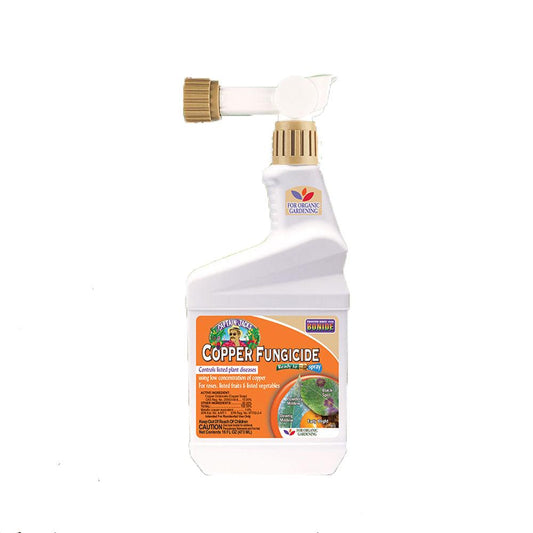
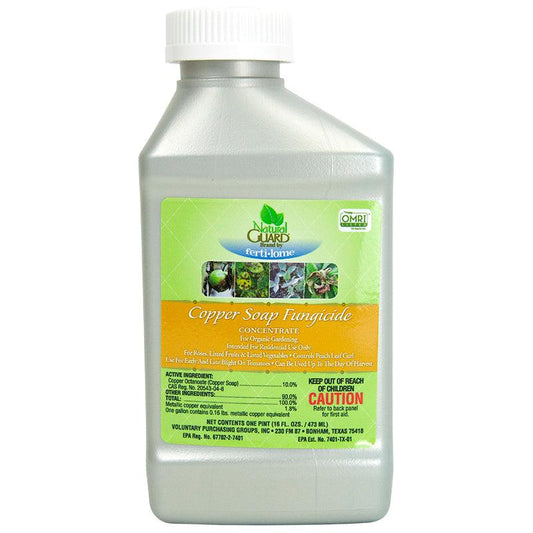
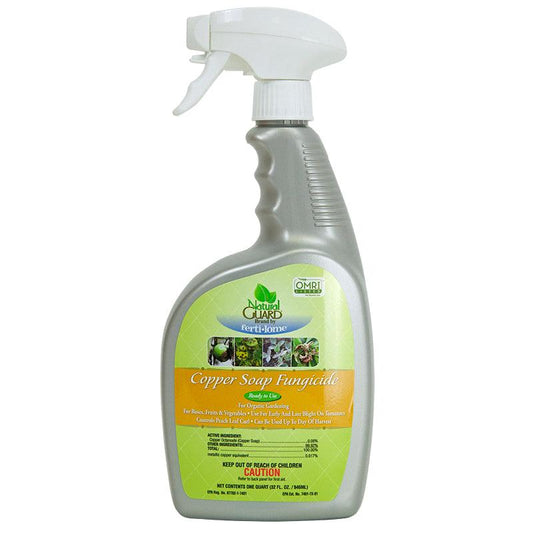
If infection continues, a labeled fungicide for bean rust may help. Organic copper or sulfur products are commonly used as a bean rust fungicide when applied preventively or at early infection.
You can review available options in this collection of rust fungus treatments for plants and trees.
Apply according to label directions. Chemical controls are most effective when combined with good cultural practices.
Are Beans with Rust Safe to Eat?
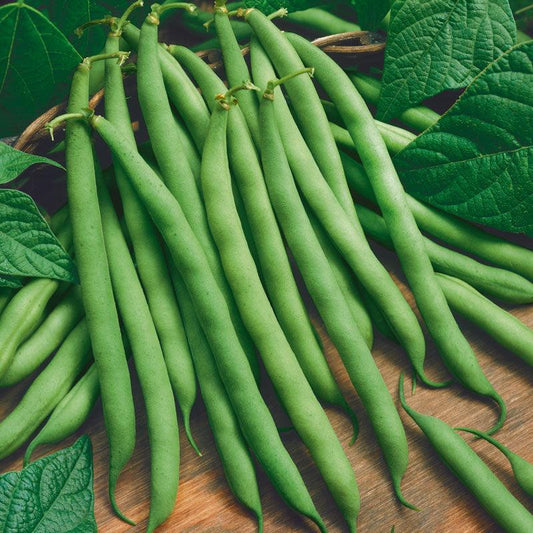
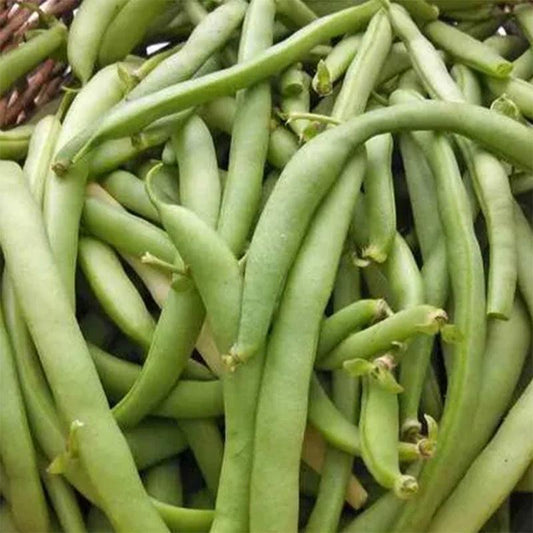
A common question is, are green beans with rust safe to eat? Rust primarily affects leaves. Bean pods are usually safe if they are firm and free of damage.
If rust spots on green beans appear directly on pods, trim away affected areas. However, if pods are heavily infected or shriveled, discard them.
Bacterial brown rust spots on green beans safe to eat is a separate issue. Bacterial diseases often cause water-soaked lesions rather than dry rust pustules. When in doubt, avoid consuming damaged pods.
Can you eat beans with rust on them? If only leaves are infected and pods are healthy, yes. Always wash produce thoroughly.
For preserving healthy harvests, see our guide on how to can green and wax beans.

Choosing Strong Varieties
Some varieties show better tolerance to bean rust symptoms.
Consider:
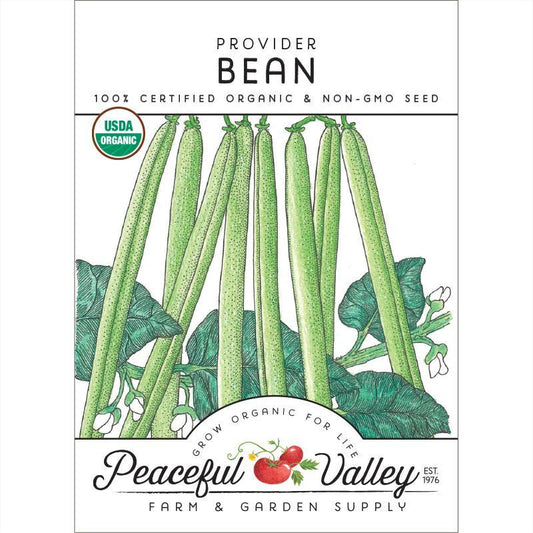
- Provider Bush Bean Seeds (Organic)
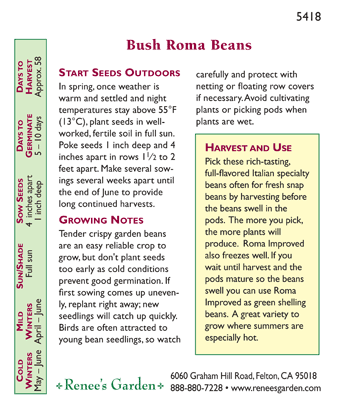
- Roma Improved Bush Bean Seeds
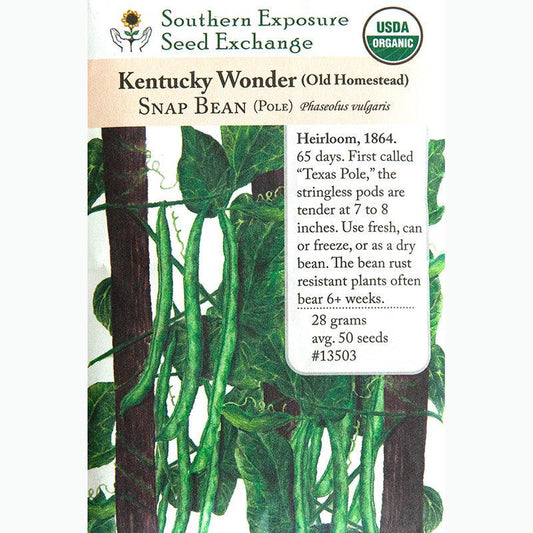
- Kentucky Wonder Pole Bean Seeds (Organic)
- Black Valentine Dry/Snap Bean Seeds
You can browse more options in our full collection of bean seeds.
Growing diverse types of bean and rotating crops yearly strengthens resilience. Companion planting can also help reduce stress and improve airflow. Learn more about companion planting for thriving bean crops.
Conclusion
Bean rust is a common fungal disease, but early action makes a difference. Watch the undersides of leaves for orange or reddish-brown pustules, improve airflow by spacing plants properly, and apply treatment early if needed.
With careful monitoring and good bean growing practices, you can protect your plants and continue to grow beans successfully all season. If you’re selecting resistant varieties for future plantings, browse these bean seeds for sale to find options suited to your garden.
FAQs About Bean Rust
Can you eat beans with rust on them?
How do you treat rust on bean plants?
What is rust in beans?
How to get rid of rust on bean plants?
What are the first bean rust symptoms?
Does rust spread to other crops?
Related Pest Control Resources
Content role: Supporting guide · Topic: Plant disease diagnosis & management
- Plant Disease Diagnosis & Organic Management
- Pest Control Solution Chart
- Browse Organic Disease Control products
Identify the pest or problem first. For pesticides, repellents, traps, and biological controls, confirm that the current label or directions cover the target site and pest. Follow all directions and precautions.