Broad Beans vs Lima Beans: A Complete Guide to Their Differences in Taste, Growth, and Use
If you’ve ever stood in the seed aisle or scrolled online wondering broad beans vs lima beans, you’re definitely not alone. These two beans are often confused, called by overlapping names, or treated as interchangeable. For gardeners and home cooks, that confusion matters. They grow in different conditions, taste different, and serve different roles in the kitchen and garden.
This guide is written for beginner to intermediate gardeners who want clear, practical answers. We’ll look closely at lima beans vs broad beans, explain what each one really is, compare their flavor profile, growing needs, and uses, and help you decide which bean belongs in your garden.

Understanding the Basics
What Are Broad Beans?
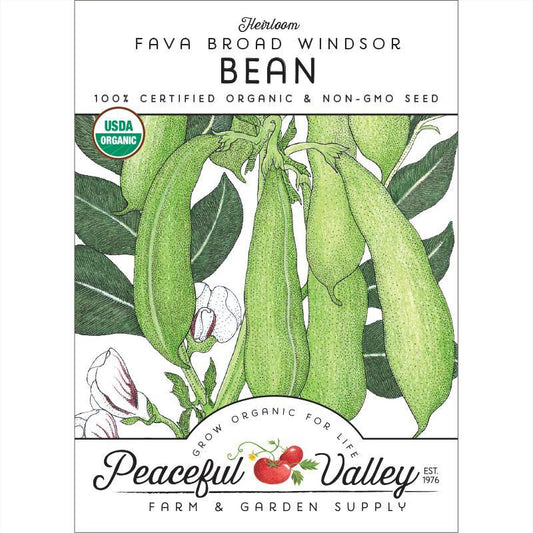
Broad beans are most widely known in the U.S. as fava beans. In the UK and many other regions, “broad beans” is the common name. Botanically, they are Vicia faba, which already tells us they are not the same species as lima beans.
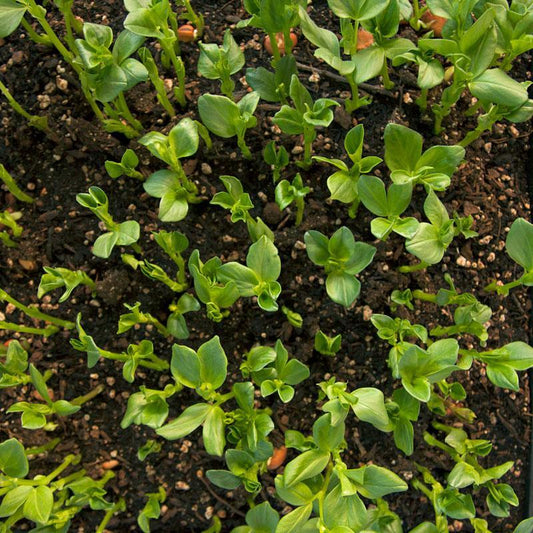
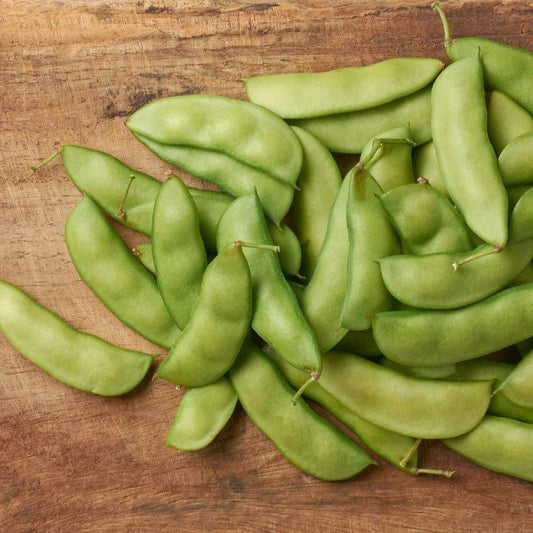
Broad beans produce thick pods with large seeds. They grow best in cool weather and are often planted very early in the season. Gardeners often grow them not just for food, but also for soil health. Dried fava beans and fresh fava beans are both common kitchen staples.
If you want to explore more options, this collection of bean seeds includes broad beans and many other bean varieties suited to home gardens.
What Are Lima Beans?
Lima beans are a warm-season crop and belong to the species bean Phaseolus lunatus. They are frequently called butter beans, especially in the southern United States, because of their smooth, creamy texture after cooking.
Lima bean plants can be bush or pole types, and they produce flat, curved lima bean pods. Gardeners grow them for both fresh lima beans and dry lima beans, depending on how they plan to cook and store them.
This distinction is key when people ask are lima beans broad beans or are lima beans the same as broad beans. The answer is no, even though both are legumes.

Are Broad Beans and Lima Beans the Same?
This is one of the most common questions online, and the answer stays the same no matter how it’s asked.
- Are broad beans and lima beans the same? No.
- Are broad beans lima beans? No.
- Are lima beans and broad beans the same thing? No again.
Despite the confusion, broad beans lima beans are different species with different growing needs. You’ll often see searches like lima beans broad beans, are broad beans the same as lima beans, or are broad beans and lima beans the same thing, but botanically and practically, they are not.
This is the core difference between broad beans and lima beans, and it affects planting time, care, flavor, and cooking.
Broad Bean vs Lima Bean: Growing Differences
Climate and Planting Time
Broad beans prefer cool weather. They are planted in late winter or early spring and tolerate light frost. In many gardens, they’re grown as an early food crop or as a soil-building plant. They’re even used intentionally in rotations, as explained in this guide on fava beans as cover crops.
Lima beans, on the other hand, need warmth. Soil temperatures must be above 65°F, or seeds may rot. This temperature requirement alone highlights the difference between lima and broad beans for gardeners in cooler climates.
For step-by-step help, the bean growing guide and this article on how to grow beans are useful references.
Growth Habit and Space Needs
Broad beans grow upright and sturdy, often without trellising. Lima bean plants may be bush or pole types, similar in habit to a green bean. Pole limas need vertical support, which can be helpful in small spaces.
Urban gardeners may find inspiration in this guide to urban gardening with beans or these innovative vertical gardening techniques for beans.

Flavor Profile and Texture
Broad Beans: Earthy and Firm
Broad beans have a slightly nutty, earthy flavor profile. When harvested young, the beans are bright green and tender. Older beans benefit from peeling, which improves texture.
They are usually not eaten raw. Light cooking brings out their sweetness and reduces bitterness. Many cooks prepare fava beans and lima together in seasonal dishes, but their textures stay distinct.
Lima Beans: Creamy and Mild
Lima beans are prized for their soft, buttery interior. Fresh lima beans taste mild and slightly sweet, while dry lima beans develop deeper flavor during long cooking.
You should never eat lima beans raw. Raw lima beans contain compounds that must be cooked out. When prepared properly, they are smooth, filling, and comforting.

Bean Varieties and Kitchen Uses
There are many types of bean, and beans include everything from a kidney bean to chickpeas to snap beans. Understanding beans vs lima beans helps gardeners decide how each fits into meals.
Broad beans are common in Mediterranean cooking. Lima beans are popular in soups, stews, and casseroles. Both pair well with olive oil, garlic, and herbs.
If you enjoy comparing beans tasting experiences, this article on exploring unique bean varieties is a helpful resource.
For preserving harvests, this guide on how to can green and wax beans can be adapted for many legumes.
Broad Beans and Lima in the Garden Ecosystem
Both beans improve soil health by fixing nitrogen. Broad beans are especially valued in rotations and sustainable systems, as discussed in climate-resilient bean farming practices.
They also work well in companion planting. Beans support corn and squash in traditional systems like the Three Sisters planting method, where beans climb corn and feed the soil.
Conclusion
When comparing broad bean vs lima bean, the takeaway is simple. They are not the same plant, even though they’re often confused. Broad beans thrive in cool weather and have a firmer, earthier bite. Lima beans love warmth and reward careful cooking with a smooth, creamy texture.
Understanding the difference between broad beans and lima beans helps gardeners choose wisely based on climate, space, and taste. Grow one or both, and you’ll quickly see why each has a loyal following.
If you’re ready to grow beans, start with varieties that match your climate and cooking goals. Once you grow your own, the differences between fava beans and lima become obvious, and very satisfying.
FAQs: Broad Beans vs Lima Beans
Are broad beans the same as lima beans?
What are broad beans called in America?
Can I substitute lima beans for fava beans?
What is the closest bean to a lima bean?
What is another name for broad beans?
What is the difference between a broad bean and a lima bean?
Are lima beans called broad beans?
What is a good substitute for broad beans?
What is the local name for broad beans?
How do broad beans and lima beans compare nutritionally?
Plan your next bean crop
For planting depth, spacing, support, watering, and harvest guidance, continue with our bean growing guide. Then compare bush, pole, snap, shelling, and dry types in the bean seed collection.