Brown Spots on Green Beans: Is It Disease, Stress, or Pests and What to Do About It
Green beans are a popular vegetable in the home garden because they are easy to grow and produce steadily through the growing season. But when you notice brown spots on green beans, it can quickly raise questions. Are the pods still safe to eat? Is the bean plant under stress? Or are you dealing with disease?
If your green beans have brown spots, the cause is usually one of three things: environmental stress, pest damage, or plant disease. The key is to look closely at both the leaves and the bean pods before deciding what to do.

First: Check the Leaves
When you see brown spots on green bean leaves or brown spots on bean leaves, disease is often involved. Bacterial blight and fungal leaf spots are common during warm, humid weather. These begin as small water-soaked areas that turn dark brown.
Poor airflow, overhead watering, and crowded planting increase risk. During the growing season, wet foliage allows disease to spread quickly across bush bean and pole beans.
To reduce problems while cultivating beans:
- Water at soil level
- Space plants properly
- Avoid working with wet plants
- Rotate crops each year
The detailed Bean Growing Guide explains spacing, watering, and disease prevention step by step. If you are new to growing bean crops, the article on how to grow beans walks through planting bean seed, soil preparation, and basic care.
Brown Spots on Pods
Sometimes gardeners notice brown spots on string beans or brown spots on fresh green beans while harvesting. These can appear as small dry blemishes or darker patches on the surface.
So what causes brown spots on green beans? Minor spots may result from sun exposure, slight bruising, or insect feeding. In those cases, green beans with brown spots are often still safe to eat.
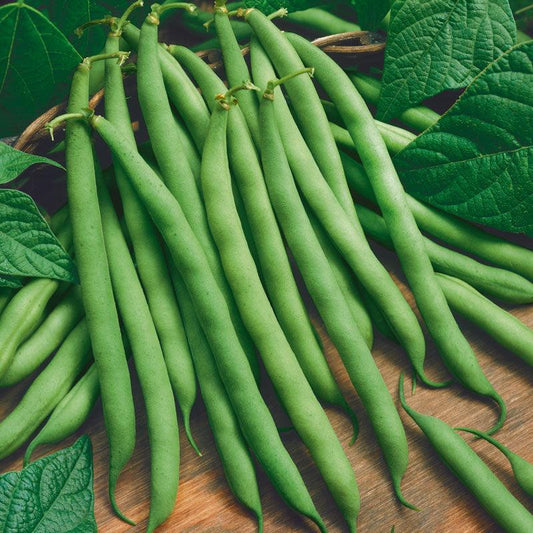
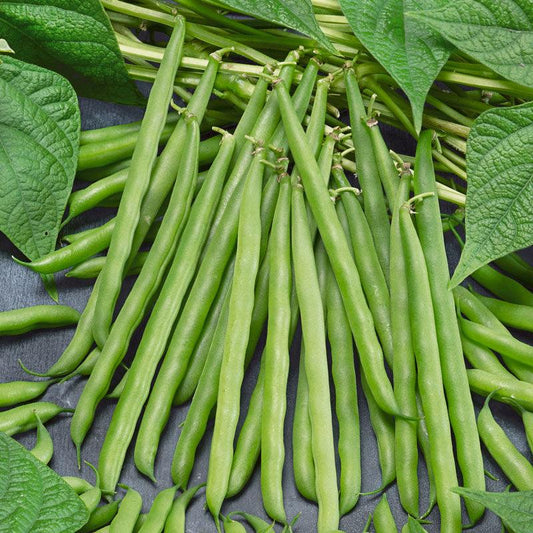
If you are asking, can you eat green beans with brown spots or are green beans with brown spots ok to eat, look at texture. Pods should feel firm and crisp with a bright green color. If the brown spot on green beans is dry and the inside looks healthy, it is usually safe to eat. If the pod feels soft, slimy, or moldy, discard it.
When gardeners ask, brown spots on green beans safe to eat or is it ok to eat green beans with brown spots, the general rule is this: firm and dry is usually safe. Soft and spreading is not.
Before freezing fresh green beans, blanch them in boiling water, then cool them quickly in ice water. However, do not preserve damaged pods. This guide on how to can green and wax beans explains safe handling and storage.

Environmental Stress and Weather
During hot spells, especially in exposed gardens, bean pods may develop tan or brown patches from sunscald. Uneven soil moisture can also lead to brown spots green beans show during harvest.
Consistent watering supports healthy snap beans, runner bean, and other types of bean. Mulching helps maintain even soil moisture and protects roots.
For strategies that support strong plants during extreme weather, review these climate‑resilient bean farming practices that can help your beans withstand heat, drought, and other stresses.
Pest Damage
Insects can leave feeding scars that later turn brown. While minor pest damage may not ruin the crop, heavy infestations weaken the bean plant and reduce yield.
Healthy soil and balanced nutrition help beans grow strong enough to tolerate light feeding. Companion planting can also reduce pest pressure. Learn more in this guide on companion planting for thriving bean crops. You can also see how beans grow alongside corn and squash in the Three Sisters planting method.
Choosing Strong Varieties
Some varieties resist disease and environmental stress better than others. Selecting high-quality bean seed suited to your climate is one of the most effective ways to reduce problems like leaf spotting and pod damage. You can browse reliable options in the full bean seeds collection, which includes both bush bean and pole beans for different garden sizes and growing conditions.
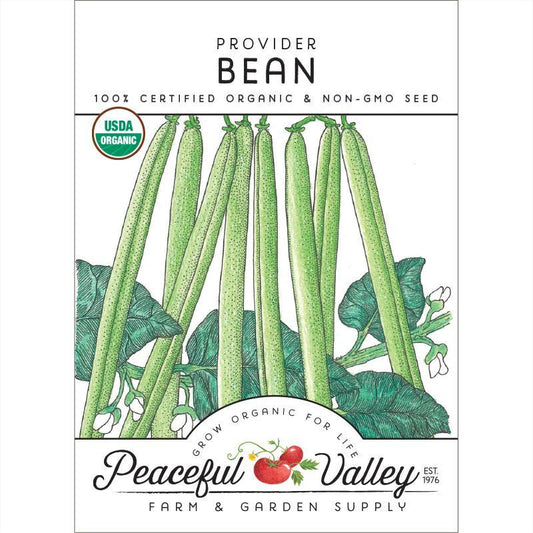
For dependable performance in many regions, Provider Bush Bean Seeds (Organic) are known for early maturity and strong disease tolerance. Tendergreen Bush Bean Seeds (Organic) are another reliable bush bean choice, producing consistent snap beans with good resistance to common leaf issues.
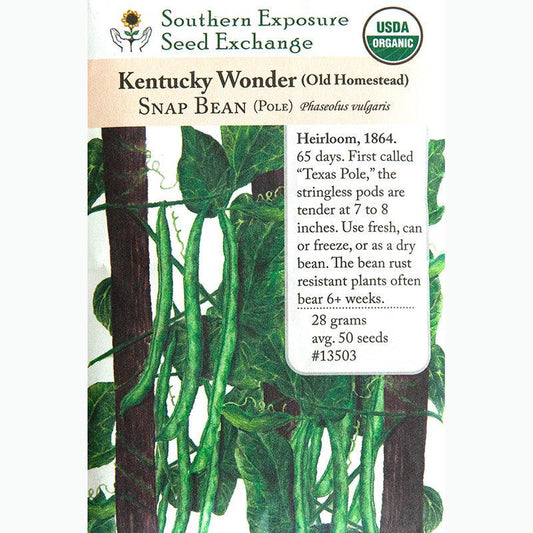
If you prefer pole beans for extended harvest, Kentucky Wonder Pole Bean Seeds (Organic) are vigorous climbers that perform well in a wide range of climates. Gardeners looking for colorful and productive options may also consider Royalty Purple Pod Bush Bean Seeds (Organic), which offer visual appeal and solid garden performance.
If you are exploring different types of bean beyond snap beans, the article on exploring unique bean varieties highlights dry beans, specialty beans, and heirloom selections that can diversify your planting plan.
Choosing strong varieties and practicing thoughtful rotation helps protect your crop before problems begin, making it easier to maintain healthy plants throughout the growing season.

Is It Normal for Green Beans to Have Brown Spots?
Is it normal for green beans to have brown spots? Minor cosmetic spots can happen, especially late in the growing season. However, widespread spotting on leaves or pods usually signals stress or disease.
If your green beans have brown spots repeatedly, review watering habits, spacing, and crop rotation. Strong soil and consistent care are the foundation of healthy bean pods.
Conclusion
Seeing green beans brown spots does not always mean the crop is ruined. Start by examining the location and texture of the spots. Firm pods with small blemishes are often safe to eat. Soft, spreading damage suggests disease and requires removal.
With good spacing, steady soil moisture, healthy soil, and thoughtful variety selection, most gardeners can prevent serious issues. Careful observation and consistent care keep this popular vegetable productive throughout the growing season.
With attentive care, most issues causing brown spots on green beans can be managed successfully in the home garden.
FAQs About Brown Spots on Green Beans
Can you eat fresh green beans that have brown spots?
Can I can green beans with brown spots?
How to treat brown spots on green beans?
How to stop green beans from going brown?
How to cure brown spots on leaves?
Plan your next bean crop
For planting depth, spacing, support, watering, and harvest guidance, continue with our bean growing guide. Then compare bush, pole, snap, shelling, and dry types in the bean seed collection.