
From Purple to White: Carrot Colors Explained and the Science Behind Colorful Carrots
Walk through a grocery store and you might think carrots come in one color. Bright orange, neatly trimmed, and familiar. But carrots aren’t that simple. Carrot colors span a surprising range, from deep purple to creamy white, with yellow, red, and even near black shades in between. For gardeners, these colorful carrots tell a story of history, plant chemistry, and careful selection over centuries.
Understanding how carrots get their color helps explain why today’s carrots look the way they do, and why growing carrots of different colors can be both fun and nutritious.

What Color Is a Carrot, Really?
So, what color is a carrot? The short answer is that carrots come in many colors. Orange is the most common today, but it was not the original colour in carrot varieties. The true color of carrots, based on historical evidence, was often purple or yellow.
Wild carrots, which still grow in parts of the world, typically have thin, pale roots that are closer to white carrot types than modern orange ones. These early forms highlight the natural diversity found in root vegetables. Early cultivated carrots appeared in Central Asia over a thousand years ago and were mostly purple or yellow.
If you have ever wondered what color carrots were originally, the answer surprises many gardeners. Orange carrots came later, becoming widespread through selective cultivation rather than natural origin.
The Original Color of Carrots and How Orange Took Over
Carrots original color varied by region, but purple dominated early cultivation. These early carrots were rich in pigments called anthocyanins, which give purple and black carrots their dark color.
Orange carrots became popular in Europe in the 16th and 17th centuries. Dutch growers selected carrots with high levels of beta carotene, the pigment responsible for orange color carrots. Over time, orange varieties were favored for uniform color, sweetness, and yield.
This shift explains why carrots aren’t purple in most stores today, even though carrots real color history tells a different story. For a deeper look at this evolution, the article on carrots history and cultivation is worth reading.

How Do Carrots Get Their Color?
The question of how do carrots get their color comes down to plant pigments. Different colored carrots contain different compounds:
- Orange carrots are high in beta carotene, which the body converts to vitamin A.
- Purple and black carrots get their color from anthocyanins.
- Yellow carrots contain lutein and xanthophylls.
- Red carrot types are rich in lycopene.
- White carrot varieties lack most pigments, resulting in a pale root.
These pigments do not just affect appearance. They also influence health benefits, flavor, and how carrots cook.
Growing and Using Different Colored Carrots
Gardeners often enjoy growing carrots in different colors because they add visual interest to the garden and kitchen. Multi colored carrots and carrots of different colors are popular in roasted dishes, salads, and as a bright side dish.
When roasted on a baking sheet with olive oil, salt and pepper, and a drizzle of maple syrup, colorful carrots develop deep flavor and eye-catching contrast. Purple carrots may fade slightly when cooked, while yellow and red carrots hold their color well.
Baby carrots harvested early often show especially vibrant colors and tender texture, no matter the variety.

Heirloom Varieties and Modern Favorites
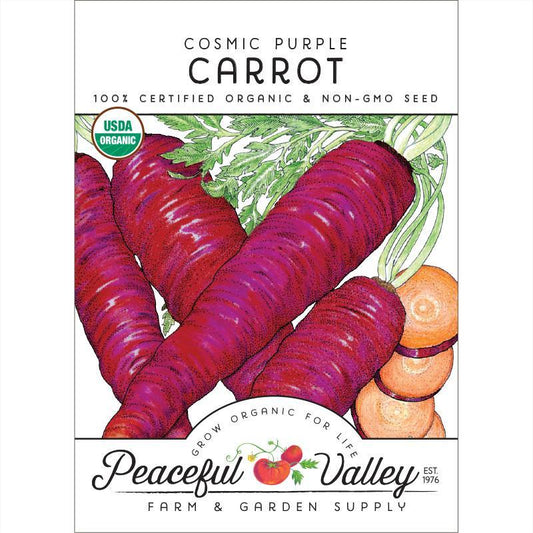
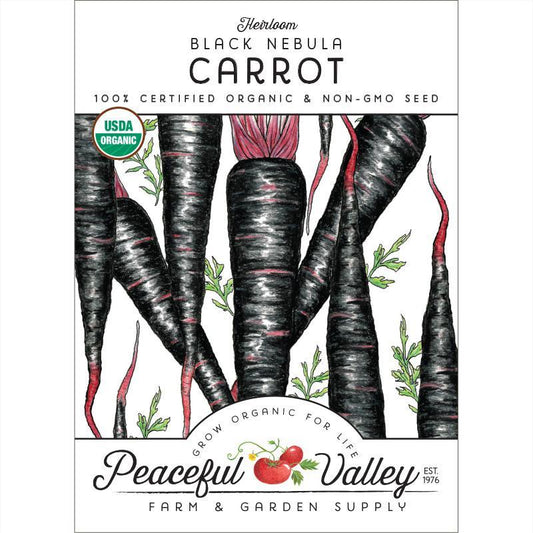
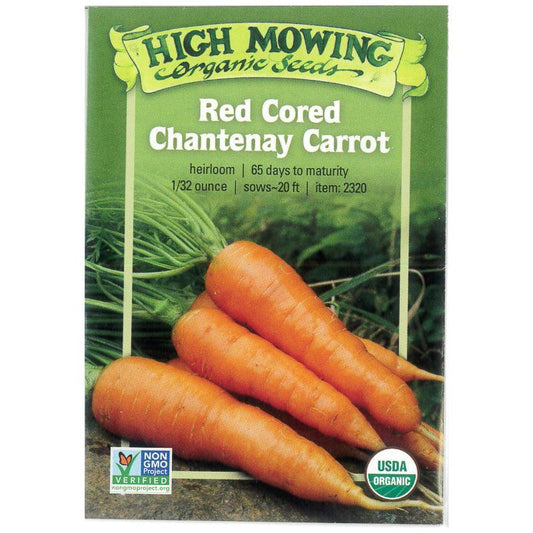
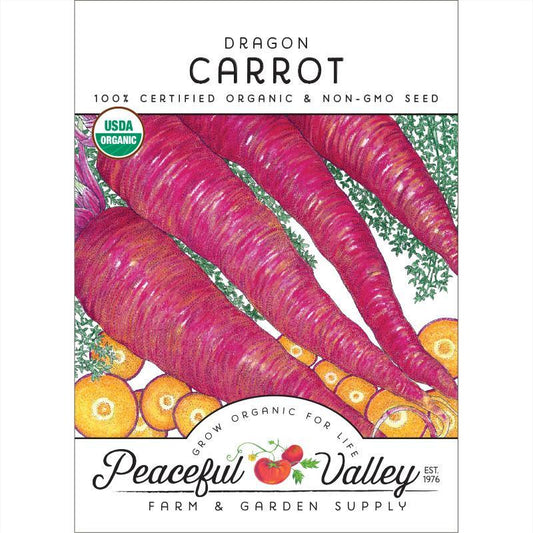
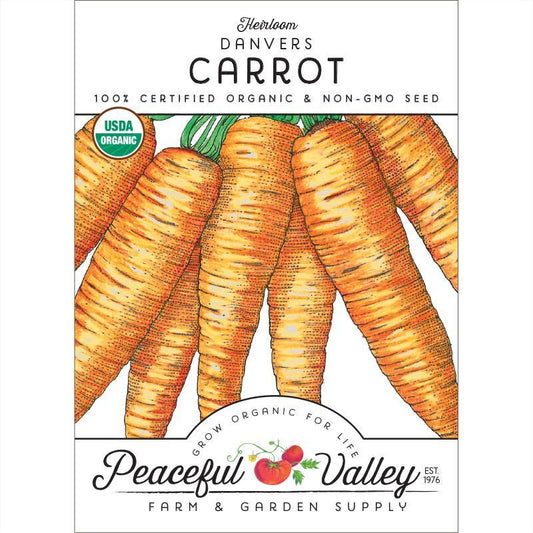
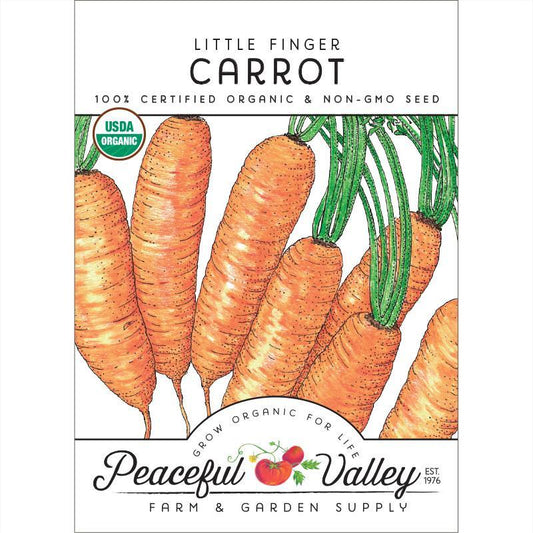
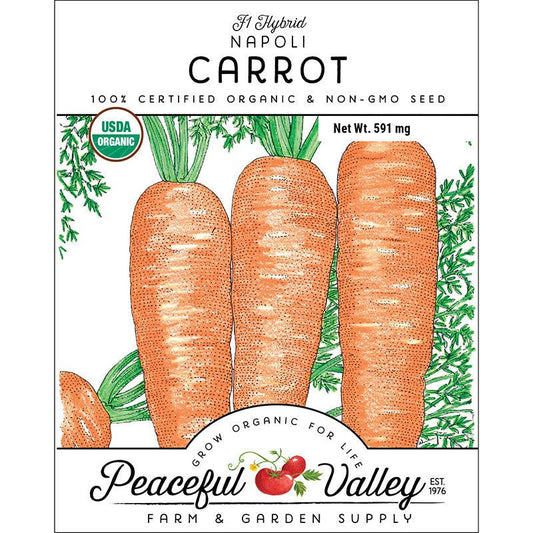
Many colorful carrots are heirloom variety selections that predate modern breeding. Varieties like Cosmic Purple, Dragon, Yellowstone, and Black Nebula showcase the full range of carrot colors. Orange classics like Scarlet Nantes, Danvers, Chantenay, Napoli, Parisian, and Little Finger remain favorites for flavor and reliability.
If you want to explore carrot seeds for all these types, the carrot seeds collection offers options for every garden size and goal, including multi colored mixes like the Organic Kaleidoscope Carrot Art Pack.
Color, Flavor, and Nutrition
Do different colored carrots taste different? Slightly. Purple carrots can be a bit earthier, yellow carrots are often mild and sweet, and orange carrots balance sweetness with classic carrot flavor.
Nutritionally, each color brings something unique. Orange carrots are famous for beta carotene, but purple and red carrots offer antioxidants that orange ones lack. That is why many gardeners grow carrots in different colors to get a wider range of health benefits.
Growing conditions also affect flavor. Soil quality and care matter as much as color, as explained in this guide to enhancing carrot flavor through soil and growing conditions.
Conclusion
Carrot colors tell a story that stretches from wild carrots in Central Asia to modern gardens filled with vibrant colors. Orange may dominate the grocery store, but purple, yellow, red, and white carrots all have a place in the garden and on the plate. By growing different colored carrots, gardeners connect with history, enjoy better nutrition, and add beauty to everyday meals.