Quick answer: Harvest cherries when the specific cultivar reaches its characteristic color, flavor, and firmness; picking dates vary with type, climate, elevation, and season.
This guide focuses on recognizing ripe cherries, picking without damaging fruiting spurs, and cooling the harvest quickly. For planting and annual tree care, use the complete cherry growing guide.
For regional timing and a bloom-to-harvest overview, see the complete guide to cherry season.

When Is Cherry Picking Season?
Harvest timing varies by cultivar, elevation, latitude and spring weather. Early and late cultivars can extend the season, but a fixed national date range is not reliable. Begin checking fruit as it reaches the expected mature color for the cultivar.
Signs Cherries Are Ready
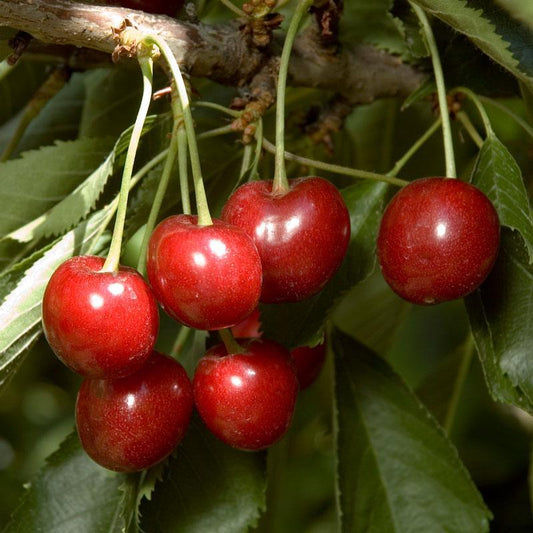
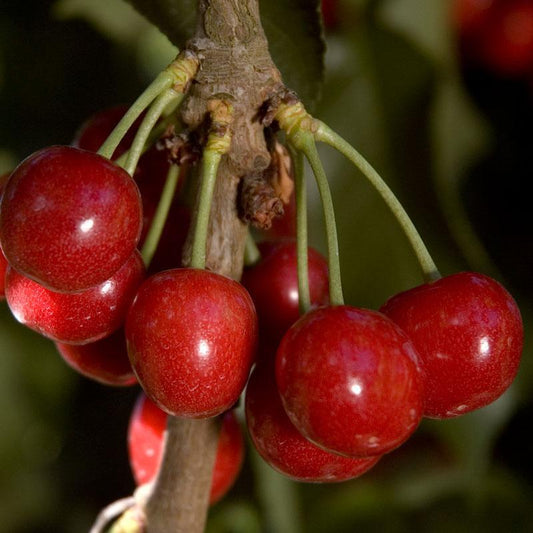
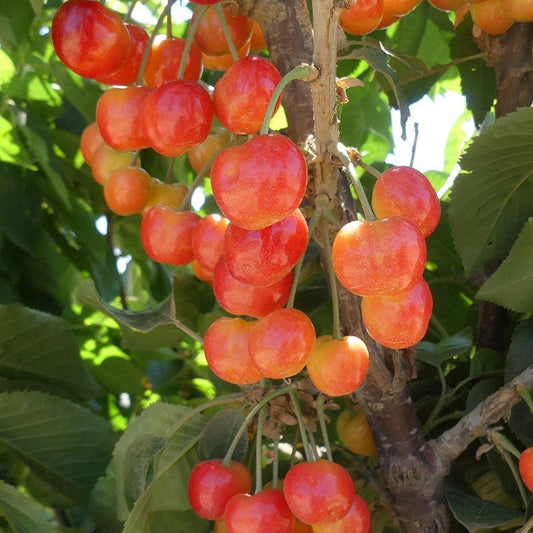
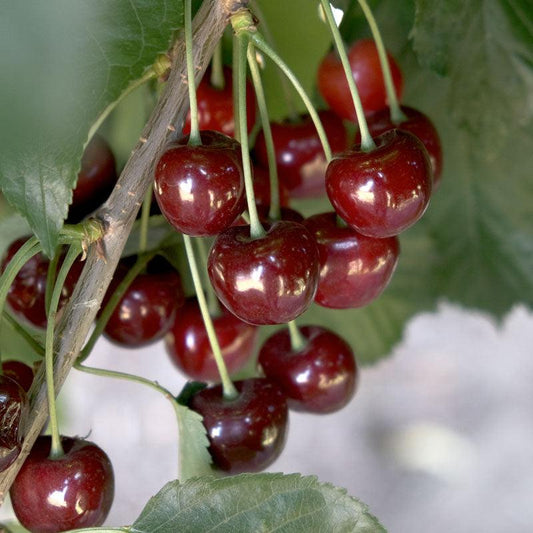
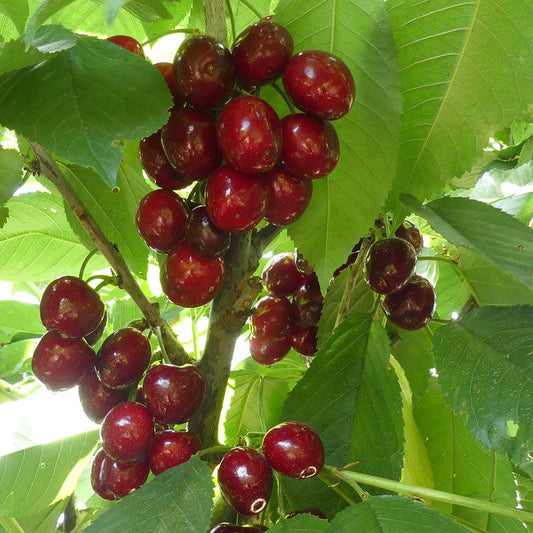
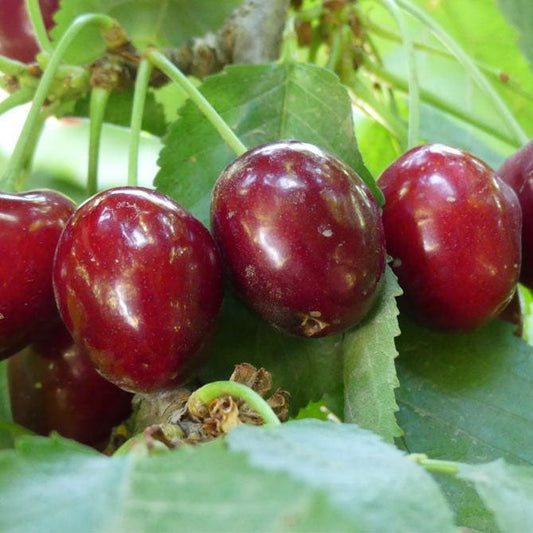
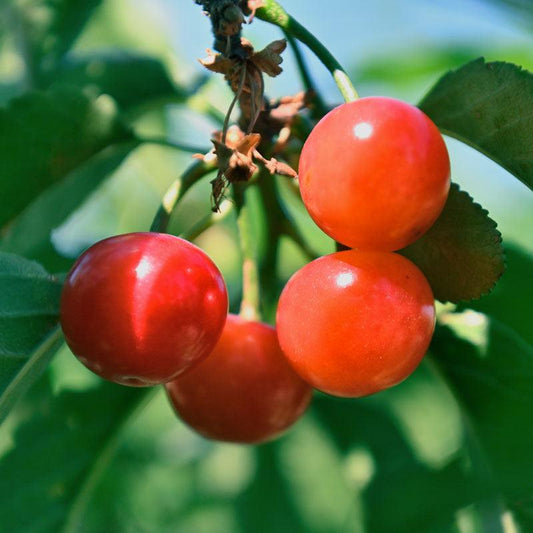
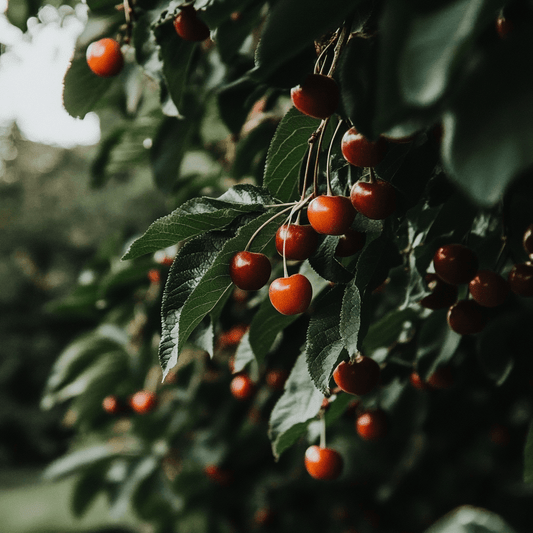
- Color is fully developed for the variety; not every ripe cherry is dark red.
- Fruit has reached its expected size and firmness.
- Flavor is sweet, tart or balanced as expected, without a grassy taste.
- The flesh is juicy and the fruit releases with the appropriate picking method.
Taste fruit from several parts of the canopy. Sun exposure can cause uneven ripening, so harvest in multiple passes.

How to Pick Cherries
For sweet cherries intended for fresh storage, hold the stem near its attachment and lift or twist gently while supporting the fruit. Do not pull down on the spur, which carries future flower buds. Tart cherries are often harvested without stems for immediate processing; use the method appropriate to the cultivar and use.
Use shallow, clean containers and avoid compressing fruit. Keep picked cherries shaded and remove split, decayed or insect-damaged fruit from the sound crop.
Protect the Tree and the Picker
- Use a stable orchard ladder on firm ground; never stand on the top step.
- Do not climb small branches or pull limbs beyond their safe range.
- Pick with two hands when possible and move the ladder instead of overreaching.
- Secure bird netting so animals cannot become entangled.

Cool and Store Cherries
Cherries deteriorate quickly in heat. Move them to refrigeration as soon as practical. Keep fruit dry until use, because surface moisture encourages decay; wash just before eating or processing. Store in a ventilated container and check frequently for damaged fruit.
Extend the Home Harvest
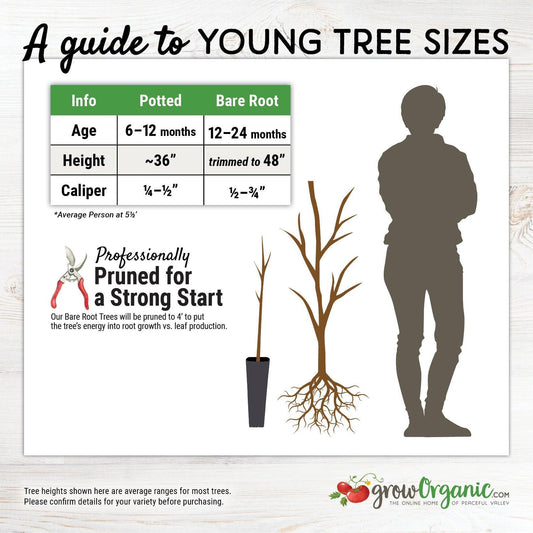
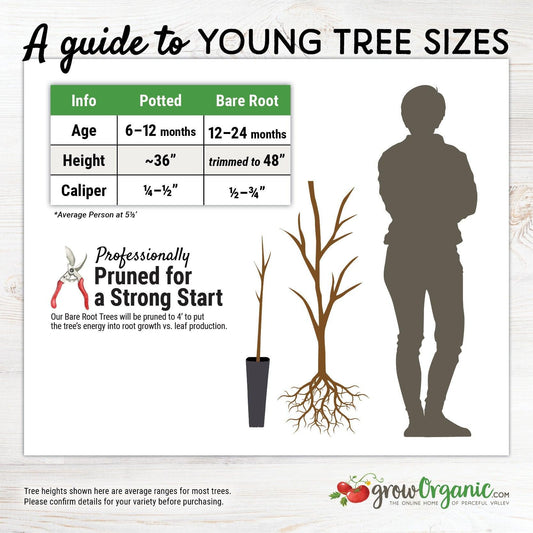
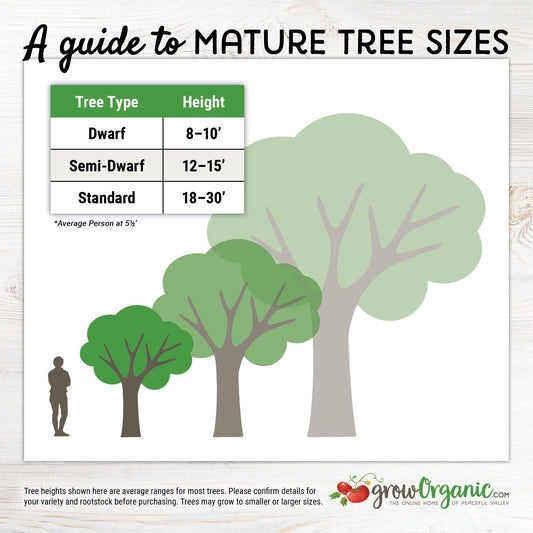
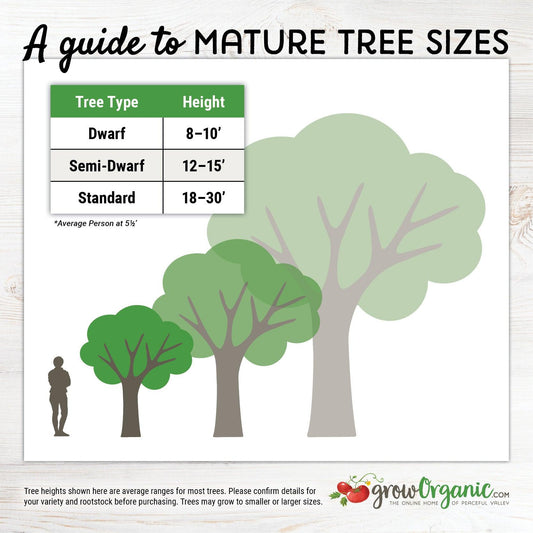
Choose cultivars with different ripening windows and compatible bloom times. Tree size and training also affect safe harvest access. Browse the cherry trees collection and compare harvest season, rootstock and pollination requirements.