This is the primary Grow Organic guide to selecting, planting and caring for a cherry tree. Sweet cherries and tart or sour cherries differ in flavor, pollination, climate fit and harvest use, so begin with the right type and a compatible rootstock.

Choose the Right Cherry Tree
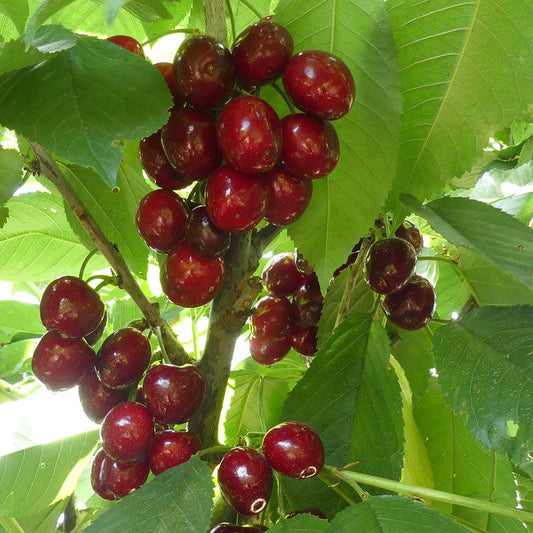
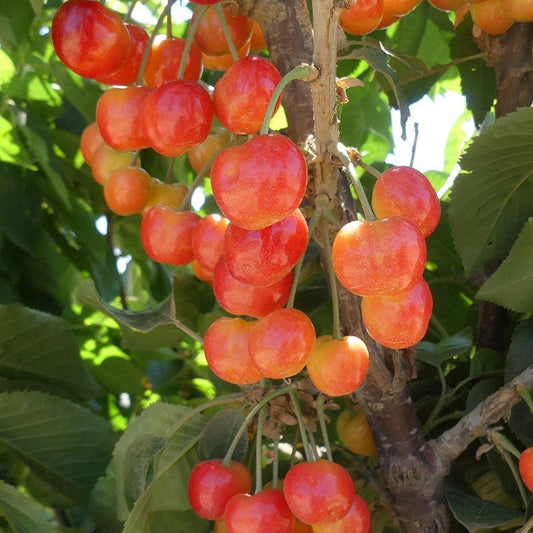
Compare winter hardiness, chill requirement, bloom time, disease pressure, mature size and fruit use. Many sweet cherries require a genetically compatible partner with overlapping bloom; most common tart cherries are self-fertile. Some sweet cultivars are self-fertile, but another compatible tree may still improve yield. Verify each cultivar rather than relying on the words “sweet” or “sour.”
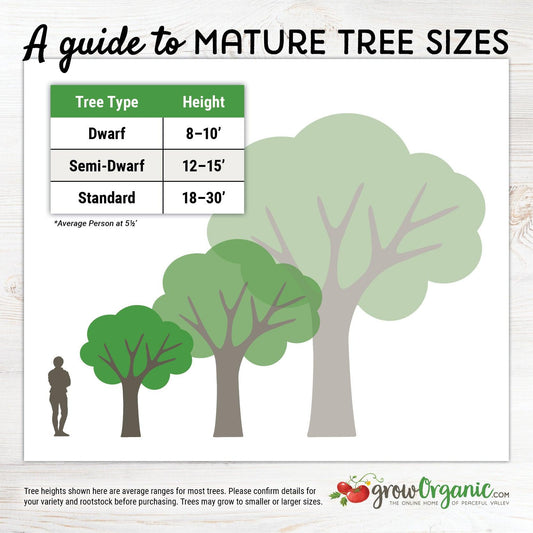
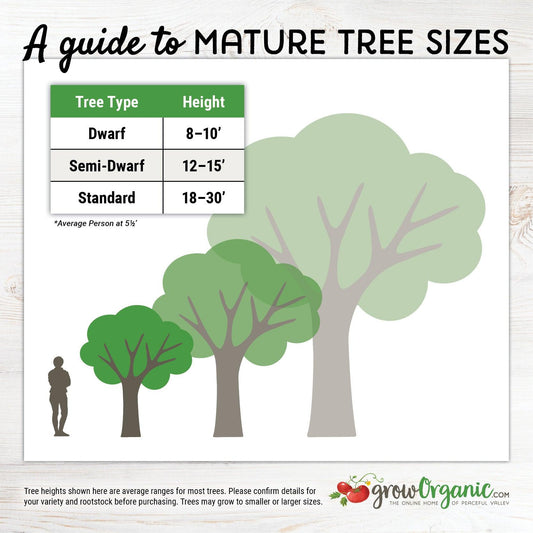
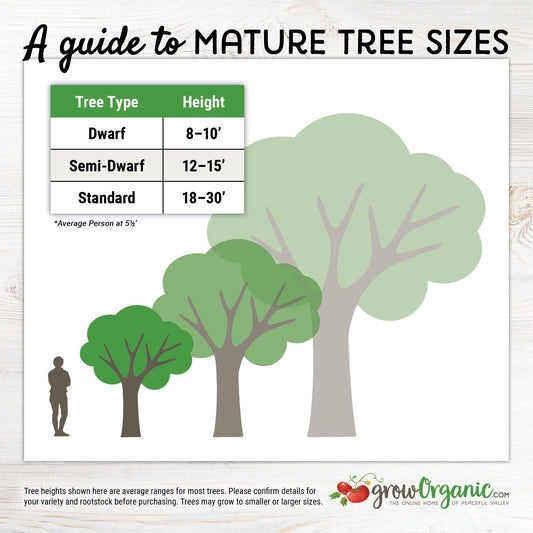
Rootstock affects tree size, anchorage, soil adaptation and bearing age. “Dwarf,” “semi-dwarf” and “standard” are approximate categories; climate, soil and pruning also influence final size.
Site and Soil
- Provide at least six to eight hours of direct sun.
- Choose well-drained soil; cherries are sensitive to saturated roots.
- Avoid frost pockets where cold air settles during bloom.
- Allow airflow while protecting trees from severe wind.
- Space according to the cultivar-rootstock combination, not a generic cherry-tree number.
Planting
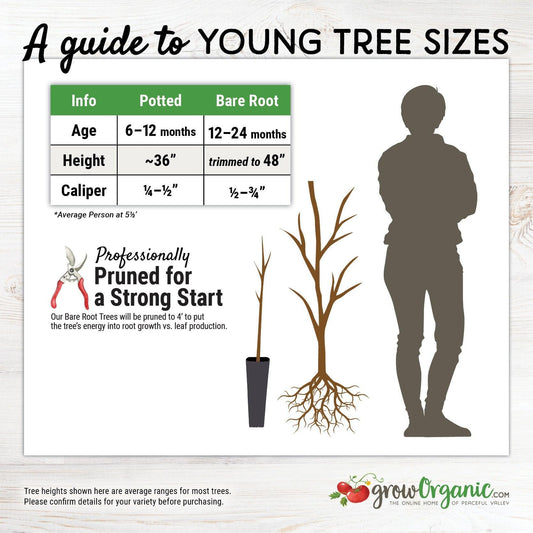
- Keep bare roots moist until planting.
- Dig wide enough to spread roots naturally and no deeper than necessary.
- Set the graft union several inches above finished soil grade.
- Backfill with native soil, water thoroughly and add two to three inches of mulch without touching the trunk.
- Stake only if the root system cannot hold the tree stable.

Water and Nutrition
Water new trees deeply enough to wet the root zone, then allow the upper soil to begin drying. Mature trees need moisture during prolonged drought and fruit development, but constant saturation promotes decline. Fertilize to correct a demonstrated need; excessive nitrogen encourages shoots, delays hardening and can reduce fruiting.
Pruning and Training
Train young trees to a strong structure suited to the tree type and rootstock. Remove dead, damaged and crossing wood. Cherries can be vulnerable to disease entering pruning wounds, so use locally appropriate timing and dry weather. Avoid removing large amounts of fruiting wood without a clear goal.

Pollination, Frost and Fruit Set
Confirm compatible bloom partners before planting. Protect pollinators by avoiding insecticide applications during open bloom unless the label explicitly permits the use. A tree that flowers but does not crop may have incompatible pollen, frost injury, poor bee weather, excessive nitrogen or damaged fruiting wood. Use the cherry fruiting troubleshooting guide.
Pests, Disease and Birds
Problems vary by region and include brown rot, bacterial canker, leaf spot, aphids, mites, fruit flies and birds. Inspect regularly, identify the cause and follow product labels, preharvest intervals and local guidance. Exclusion netting must be secured so wildlife cannot become trapped.

Harvest
Cherries gain their best flavor on the tree. Pick when the cultivar has developed full color, flavor and firmness. Use the cherry picking guide for stem handling, cooling and storage.
Shop Cherry Trees
Browse cherry trees and compare type, rootstock, pollination partner, chill requirement and harvest season.