
Cherry Picking at Peak Ripeness: Your Guide to Cherry Picking Season
Picking cherries at just the right moment is one of the great joys of gardening. Whether you're growing a sweet cherry variety, tending a small cherry orchard, or simply watching the first cherry on trees turn red, knowing when to pick cherries makes all the difference.
Beginner and intermediate gardeners often ask how to judge ripe cherries, the best harvest timing, and how cherries are harvested without damaging the fruit. This guide walks you through cherry harvest basics so you can enjoy fresh, flavorful cherries at home.

Understanding Cherry Ripeness and Harvest Timing
When Is Cherry Picking Season?
The season for cherry picking varies by region and type of cherry, but in most areas, cherry picking season runs from mid-June through mid-August. Many gardeners wonder when is the season for cherry picking, and the answer depends on climate, variety, and bloom time.
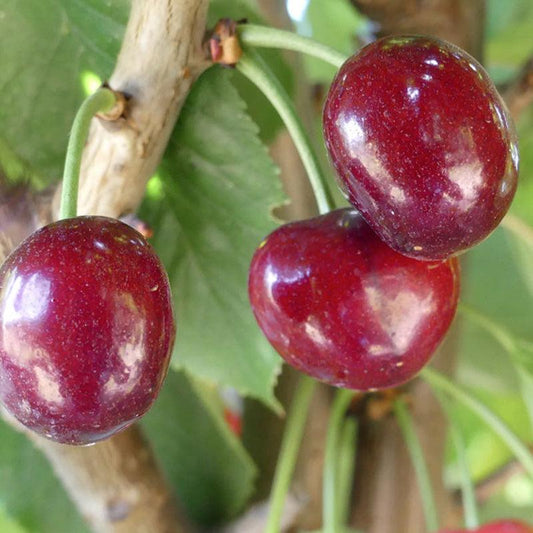
Early types like Black Tartarian may be ready before mid July, while firm, dark sweet cherries such as Bing cherries often peak around mid- to late July. Some late varieties stretch the harvest into mid August.
For variety-specific timing and bloom-to-harvest insights, explore A Gardener’s Guide to Cherry Season.
How Cherries Ripen
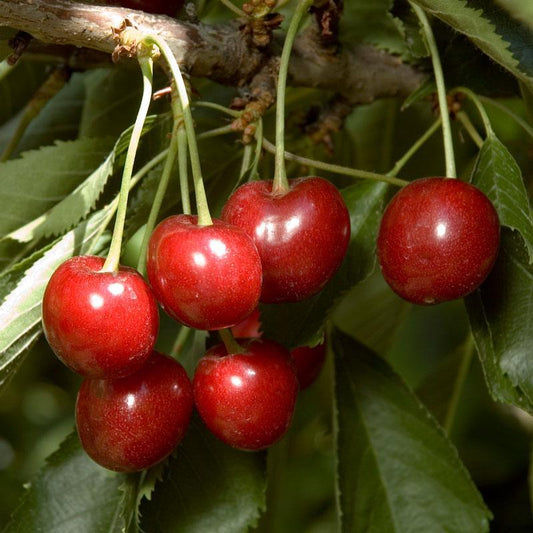
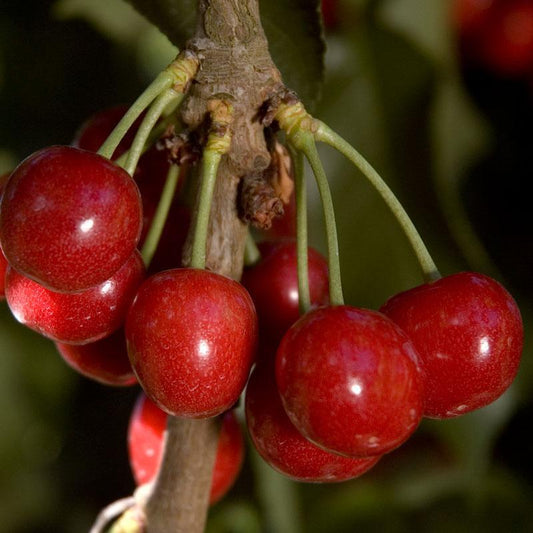
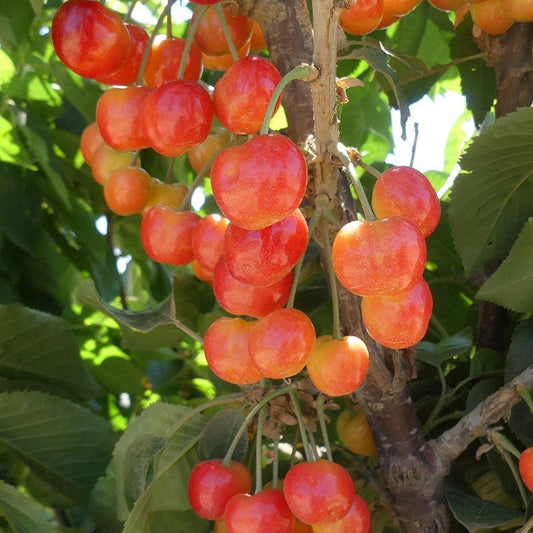
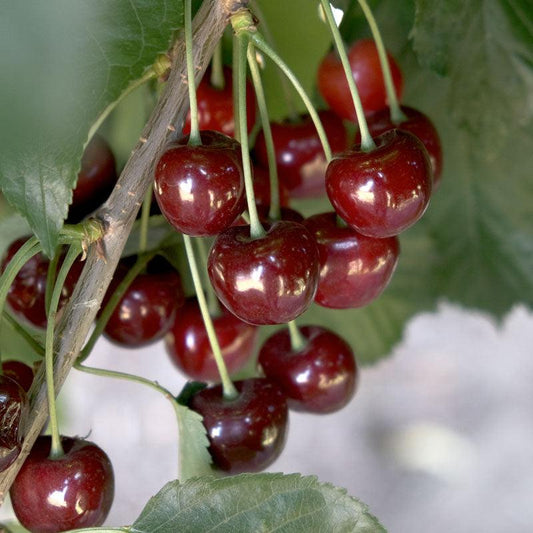
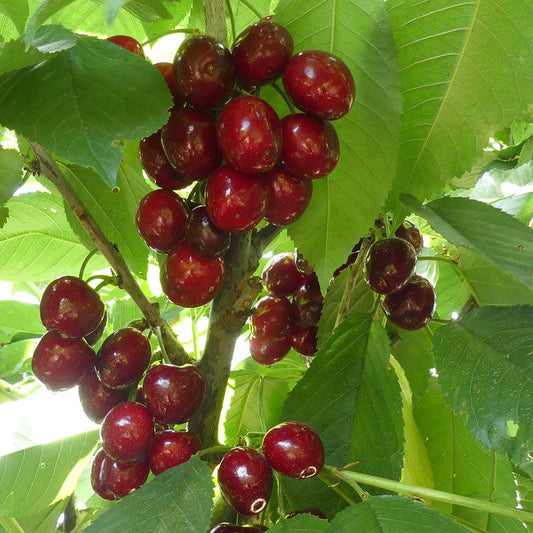
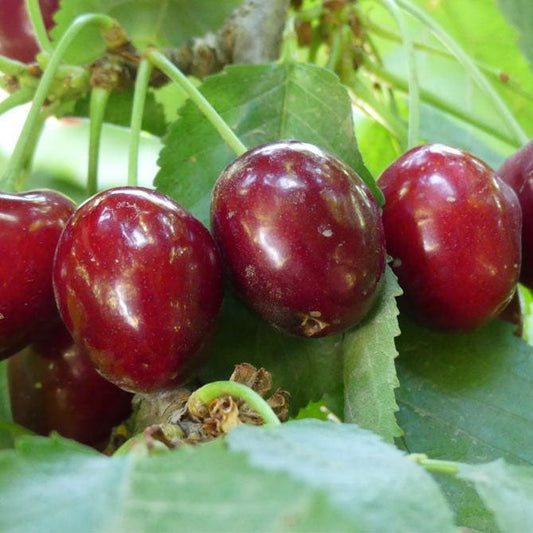
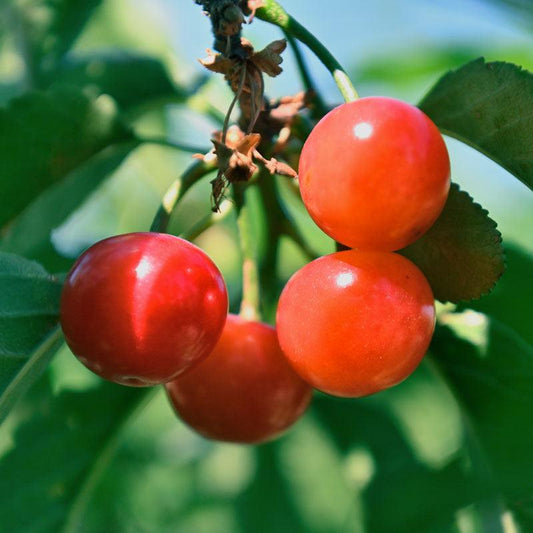
Cherries do not continue to ripen after harvest. When cherries ripen, they reach full color—deep red for many sweet cherry trees, yellow-blush for Rainier types, or bright red for tart cherries like Montmorency.
If you pick cherries too early, they’ll stay firm and sour, and no amount of counter time will turn them into fresh cherries.

How to Tell Cherries Are Ready to Pick
Signs of a Cherry-Ripe Harvest
To decide when to pick cherries, look for:
- Full, even color based on the variety
- Glossy skin with no green shoulders
- A slight softness when gently squeezed
- Rich flavor — taste one to confirm!
If you’re growing Bing cherries, for example, wait until fruits are a deep mahogany shade. For yellow-blush types such as Rainier Cherry Trees, look for a golden base color with a rosy blush.
How to Pick Cherries: Step-by-Step
How Do You Pick Cherries Without Damaging the Tree?
When learning how to pick cherries, gently hold the fruit and pull upward with a slight twist. Ideally, keep the stems attached—this helps cherries store longer and reduces damage to next year’s buds. If you’re making dry cherries, jam, or cherry pie, stem-on or stem-off works fine.
How Are Cherries Harvested Commercially?
In large farms, crews hand-pick or use mechanical shakers, but for home gardeners, hand-harvesting is best. This protects the fruit trees from stress and encourages them to produce fruits reliably year after year.
To learn more about growing from the beginning, see our cherry growing guide.

Best Cherry Tree Varieties for Home Gardeners
If you want to grow reliable, flavorful cherries in full sun, consider these excellent choices available at Grow Organic:
- Minnie Royal & Royal Lee Cherry Trees – Great early-season pair for warm climates
- Rainier Cherry Tree – Classic yellow-with-blush sweet cherry
- Bing Cherry Tree – The famous standard for dark sweet cherries
- Stella Cherry Tree – Self-fertile and dependable
- Black Tartarian Cherry Tree – Early soft, sweet fruit
- Lapins Cherry Tree – Large, crack-resistant, self-fertile
- Montmorency Cherry Tree – The top pick for tart cherries and baking
Explore all bare-root cherry collection.
If your tree is getting too vigorous or needs shaping, see our cherry tree pruning guide:
Conclusion
Knowing how to manage your cherry tree harvest at peak ripeness ensures every handful of cherries is sweet, juicy, and full of flavor.
By understanding the harvest time for cherries, monitoring color changes, and mastering gentle picking techniques, you’ll enjoy the full reward of growing your own cherry fruits—from fresh snacking to baking the perfect cherry pie