Cherry Tree Maintenance: Tips for Better Cherry Tree Care

Cherry Fruit Tree

Cherry Tree Maintenance: Seasonal Care Checklist for Healthy Trees

Growing your own cherries is incredibly rewarding—whether you're tending sweet cherry trees like Bing, Rainier, or Stella; hardy sour cherries such as Montmorency; or even native varieties like black cherry.

With the right care and a consistent cherry tree maintenance pruning routine, your tree can thrive for decades and produce buckets of delicious fruit. This cherry tree care guide breaks down the essentials in clear, beginner-friendly steps so you always know what to do and when. 

If you’re still choosing a variety, you can explore our full selection of bare-root cherry trees.

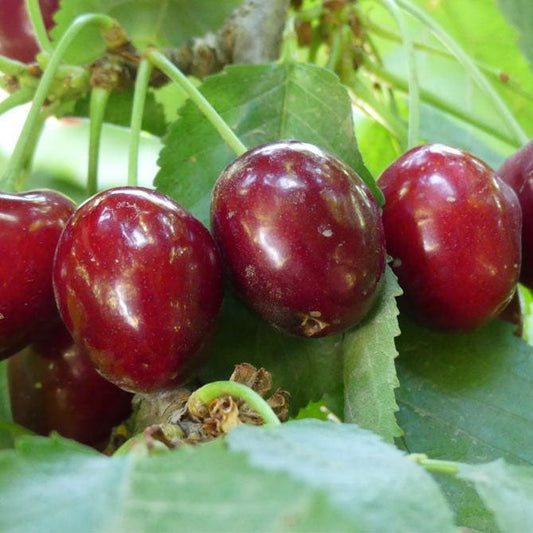
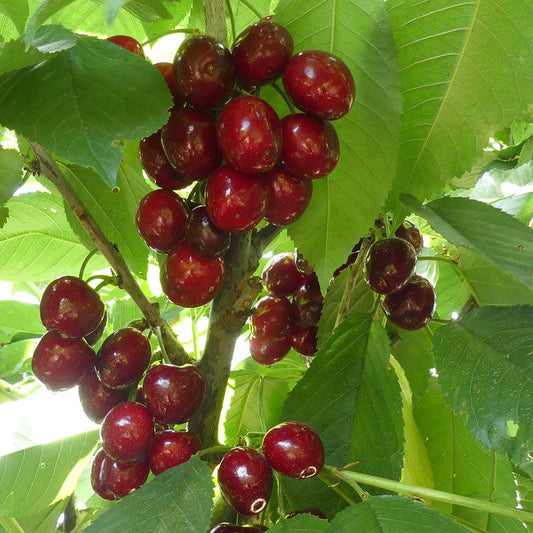
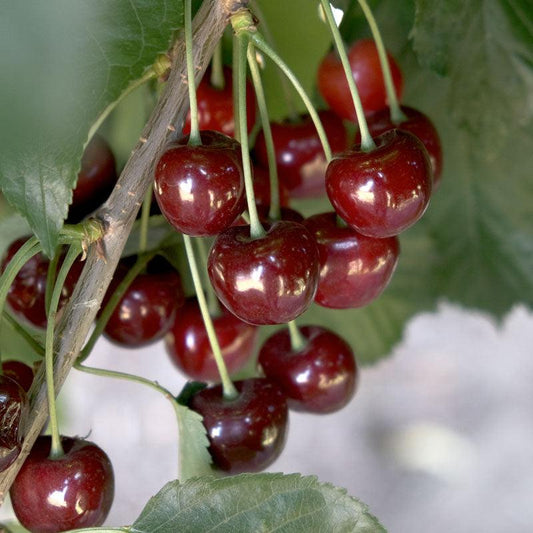
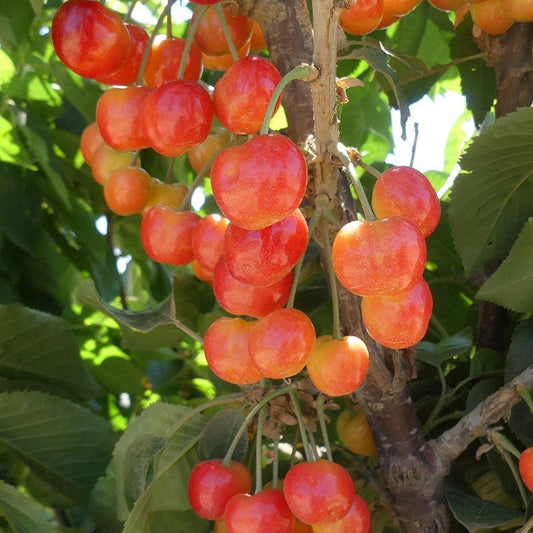
Close-up of Ripe Cherries on Tree Branch

Introduction

Cherry trees are rewarding fruit trees to grow, especially when you have a clear plan for their care. This guide walks you through everything you need for good cherry tree upkeep—from planting and watering to pruning and protecting your tree through each season.

The goal is to help you feel confident in caring for cherry trees, no matter your experience level. By following these steps, you’ll support better fruit set, fewer diseases, and a strong tree that produces fruit year after year.

Cherry Tree Maintenance Checklist:

1. Choose a Good Planting Site

Healthy growth begins with the right spot. A cherry tree requires:

  • Full sun for strong fruit production
  • Well-draining soil to prevent root problems
  • Plenty of room for the tree to grow to its mature size
  • Good airflow to minimize fungal disease

If your soil doesn’t drain well, consider planting on a mound or raised area. This small step can prevent long-term health issues and support a more productive growing season.

2. Watering Cherry Trees

Understanding how to water cherries correctly makes a big difference in tree health.

  • Young trees: Water deeply once or twice a week during the growing season.
  • Mature tree: Water weekly, adjusting for heat or drought.
  • Avoid overwatering: Soggy soil encourages disease and root damage.

A layer of mulch helps keep moisture steady but keep it a few inches away from the cherry tree bark to avoid rot.

Pruning Tree

3. Pruning Cherry Trees

Pruning is one of the most reliable ways to improve cherry tree maintenance and prevent disease.

  • Prune in late winter or early spring before buds begin to grow.
  • Remove any dead, weak, or crossing branches.
  • Open the canopy so sunlight reaches the center of the tree.

If you’d like extra help understanding pruning cherry trees, take a look at our easy guide to pruning flowering and fruiting cherry trees. Regular cherry tree maintenance pruning keeps your tree balanced, encourages new growth, and supports healthier fruit set.

4. Fertilizing for Steady Growth

Cherry trees benefit from light, thoughtful feeding.

  • Apply a balanced fertilizer in early spring.
  • Avoid overusing nitrogen—it can create too much leaf growth and reduce the ability to produce fruit.

The goal is to support steady growth without overwhelming the tree.

5. Pollinating Cherry Trees

Pollination plays a key role in fruit production. Some varieties require cross pollination, while others are self-fertile.

  • Self-fertile types like Stella or Lapins can produce fruit on their own.
  • Classic sweet cherry trees like Bing or Rainier need a compatible partner nearby.
  • More pollinators mean better fruit set.

You can learn more about bloom timing and harvest windows in our guide to cherry season from bloom to harvest.

6. Monitoring Leaves, Bark, and Fruit

A healthy tree gives clear signs, so regular check-ins help with early problem solving. Watch your:

  • Cherry tree leaf color, texture, and spotting
  • Cherry tree bark for cracks, oozing cankers, or sunscald
  • Fruit and stems for signs of pests or fungal disease

Conditions like bacterial canker and leaf spot can spread quickly, so catching changes early is one of the most helpful cherry tree maintenance tips.

Tree Trunk Protection

7. Protecting Trees From Pests and Weather

Birds, insects, and weather can all affect your crop.

  • Use netting or reflective tape to protect ripening cherries.
  • Pick up fallen leaves and fruit to reduce disease spread.
  • Wrap young trunks in winter to protect against rodents and frost.

Small protective steps support long-term cherry tree management and healthier harvests.

8. Winter Care

Winter care sets the foundation for next year’s growth.

  • Stop fertilizing at the end of summer.
  • Water deeply before the soil freezes.
  • Mulch lightly to insulate roots.
  • Keep the area clean and free of fallen leaves.

With these steps, your tree enters spring refreshed and ready to grow cherries with renewed energy.

9. Choosing the Right Varieties

Your success starts with strong, well-grown trees. At Grow Organic, we offer high-quality bare-root trees, including:

Browse the full selection of bare-root cherry trees to find the cherry variety that best fits your climate and garden.

If you’d like to try starting cherries from seeds, our guide on growing cherries from seed walks you through the process step-by-step.

Conclusion

Cherry trees are rewarding, beautiful, and surprisingly simple to manage when you follow a consistent routine. With the right combination of watering, pruning, pollinating, and seasonal care, you can enjoy healthy growth and abundant harvests year after year.

Whether you're tending sweet or sour cherries, your tree will thrive when supported with steady, thoughtful cherry tree maintenance.


FAQs About Cherry Tree Maintenance

Do cherries grow on trees?
Yes! Cherries grow on fruit trees, which produce both sweet and sour cherries. These trees thrive in full sun and well-drained soil.
Can I grow a cherry tree from a cherry pit?
Yes—but results vary. The tree may not produce fruit identical to the parent cherry, and it can take many years to mature. Planting a young grafted tree is faster and more reliable.
How long does a cherry tree take to grow / How long does it take to grow a cherry tree?
Grafted cherry trees typically fruit in 3–4 years, while seed-grown trees may take 7–10 years. Growth speed depends on soil quality, climate, and care practices.
What are the different types of cherries?
There are several types of cherries, including sweet cherries (Bing, Stella, Lapins) and sour cherries (Montmorency, Morello). Each type has specific climate and care requirements.
How do you grow a cherry tree from scratch?
Choose a sunny location with good drainage and enough space for roots. Plant a young grafted tree for faster fruiting and better success than starting from seed.
Are cherry trees difficult to grow?
Cherry trees are manageable for beginners if you select disease-resistant varieties and follow basic care steps like watering, pruning, mulching, and pest protection.
How to care for a young cherry tree?
Water weekly, prune lightly, mulch to retain moisture, and protect from pests. Avoid overwatering, which can harm the roots.
Do I need two cherry trees to get fruit?
Some types of cherries, like Stella or Lapins, are self-fertile, but many sweet cherries require a pollination partner to produce fruit.
What month should you plant a cherry tree?
Late winter through early spring is ideal, before buds break.
Can you plant a cherry tree in October?
Yes—especially in mild regions where the soil remains workable. In colder climates, late planting can risk frost damage.
What not to plant next to cherry trees?
Avoid plants that compete heavily for nutrients, such as walnuts, nightshades (tomatoes, peppers), or large shrubs.
What is the best pollinator for cherry trees?
Compatible sweet cherry varieties or self-fertile types like Stella or Lapins work well. Planting multiple types of cherries can improve fruit yield.
How long before I can harvest cherries from a young tree?
Even after the tree grows, it may take 3–4 years for a grafted tree or up to 10 years for seed-grown trees to produce significant fruit. Regular care ensures healthy growth and fruiting.
Back to blog

Leave a comment

Please note, comments need to be approved before they are published.