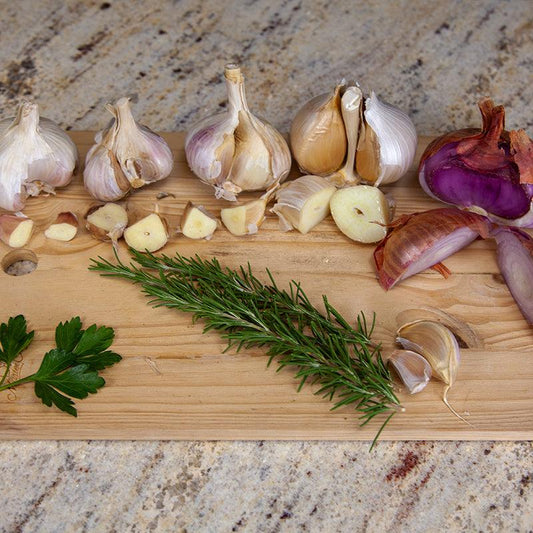
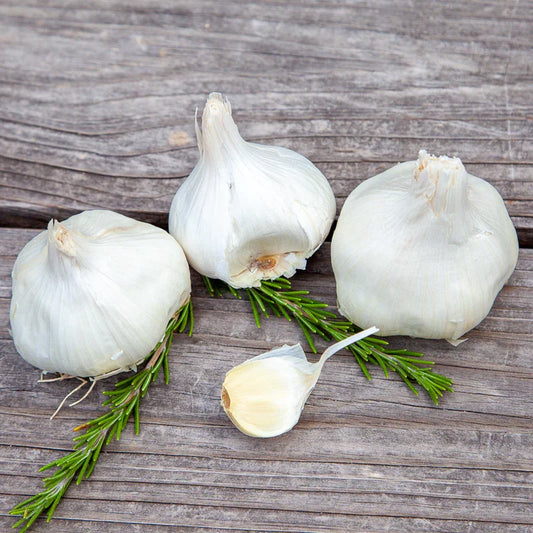
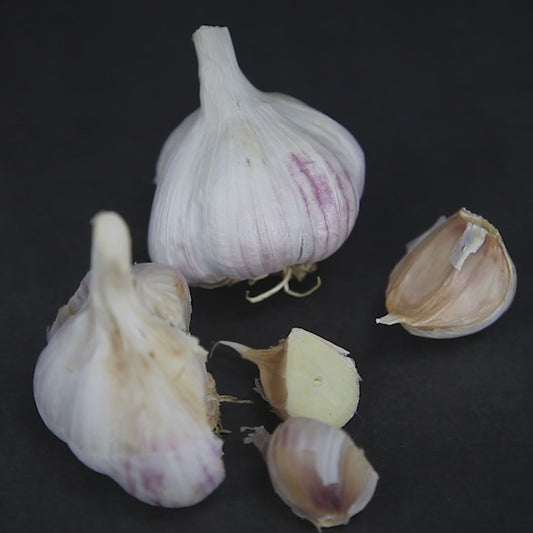
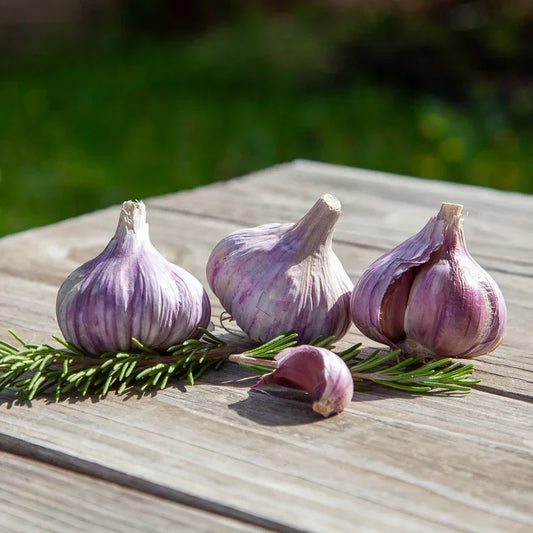
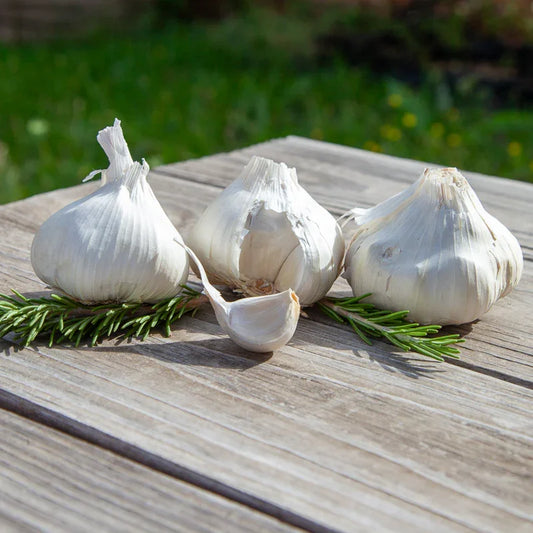
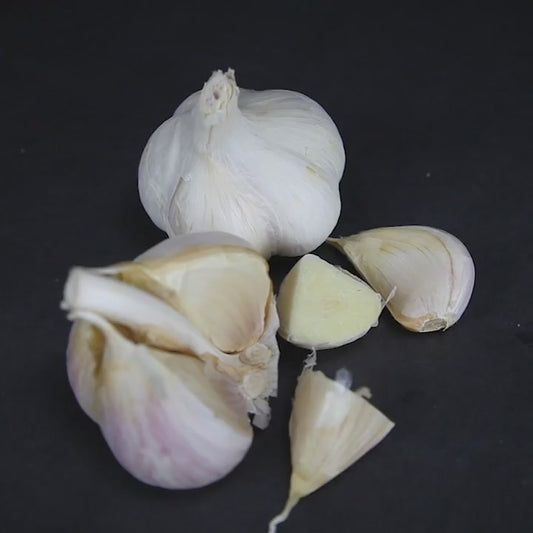
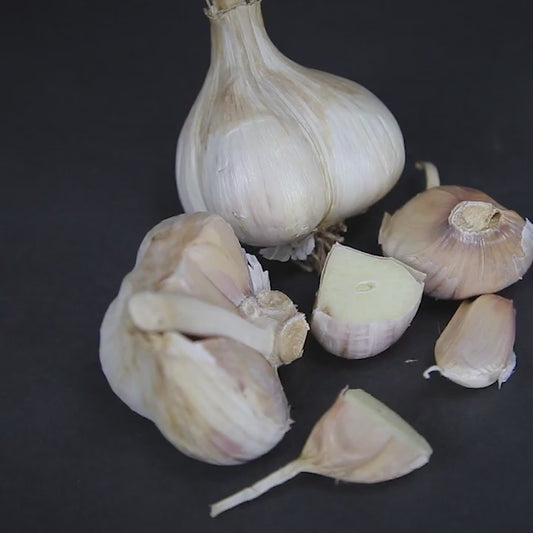
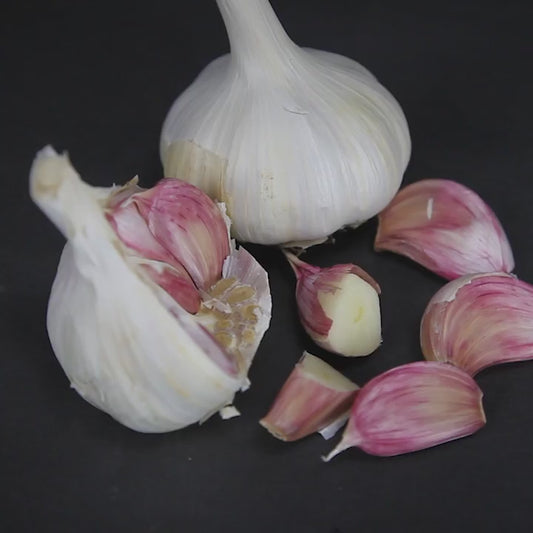
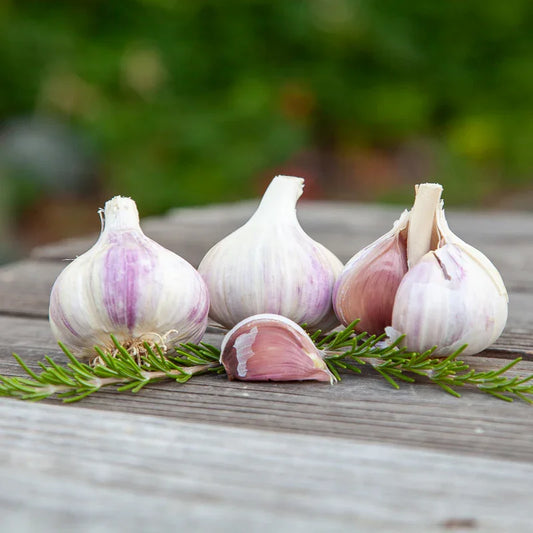
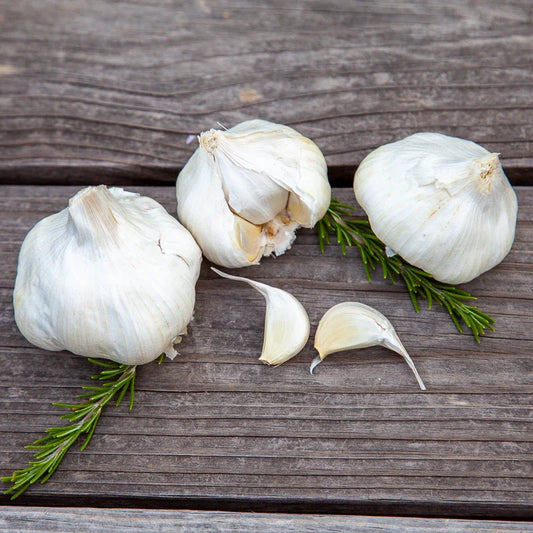
Garlic, final cool crops, and storage harvests follow different clocks. Garlic needs suitable soil and time to root without excessive top growth, short-season crops must reach the intended harvest before cold and low light, and stored produce must be mature, sound, and cured for its storage method. Use local soil temperature, frost trends, crop stage, and moisture rather than one regional date.
Start with the northern fall garden plan for whole-garden priorities. Use the fall water guide when irrigation or rain affects planting and curing, and the fast soil-cover guide to protect beds that will not receive another food crop.
Match garlic and cool crops to the fall window
Early frost, declining daylight, and cooling soil compress the northern fall season. Lake and coastal influence may extend warmth, while elevation and cold-air pockets shorten the window. USDA hardiness zones do not provide planting dates or first-frost guarantees.
Count germination or transplant recovery, growth to the desired harvest stage, and any curing time. For garlic, verify cultivar fit, planting depth, soil condition, and local timing from authoritative guidance.
Compare fall crop timing across northern subregions
| Area | Fall pattern | Key check | If conditions do not fit |
|---|---|---|---|
| Upper Midwest plains | Fast cooling, wind, and early hard freezes | Soil temperature, root moisture, frost trend, and establishment time | Harvest vulnerable crops, choose faster successions, or protect the bed. |
| Great Lakes belts and shore zones | Lake moderation with humidity and localized heavy rain | Actual soil cooling, drainage, leaf wetness, and curing conditions | Adjust timing to the site and avoid planting or harvest in saturated conditions. |
| Northern interior Northeast | Short light and establishment window | Full time to useful harvest or root establishment | Harvest young, choose a faster crop, or leave the soil covered. |
| Coastal and upland New England | Coastal warmth contrasted with cooler uplands | Elevation, cold pockets, frost history, and soil condition | Use site records rather than a statewide planting date. |
Check the full planting and harvest window
- Confirm that soil is workable and planting depth has suitable temperature and moisture.
- Verify drainage and any remaining irrigation in the receiving bed.
- Add germination or transplant recovery to the listed maturity period.
- Choose the intended harvest stage and allow time for weather interruptions.
- For garlic, verify cultivar, planting timing, depth, spacing, and mulch guidance.
- Review rotation, pest history, and storage or curing goals.
- Use a manageable planting when local performance is uncertain.
- Record emergence, harvest, curing, storage, and the bed’s next use.
Use estimates without turning them into promises
Days to maturity, hardiness, chill and heat-tolerance descriptions depend on cultivar and conditions. Verify the source definition, add establishment time and use local records. USDA hardiness zones do not provide a sowing date. Protection changes temperature and airflow but cannot guarantee survival.
Coordinate succession, rotation and living roots
Prioritize garlic and climate-appropriate cool crops, succession sowing and protected starts; work backward from frost, heat departure and maturity rather than a universal date.
A succession is useful only when it can establish, reach the intended harvest and leave the bed ready for the next task. Rotation can diversify root occupancy but does not guarantee pest or disease prevention. Legume inoculant must match the crop and label; nodulation and nutrient contribution depend on conditions.
Count the entire establishment-to-harvest sequence
Add germination or transplant recovery, vegetative growth and the particular harvest stage the gardener needs. Then reserve time for weather interruptions, hardening and bed turnover. A crop harvested young may fit where a mature fruit or storage root does not. If the sequence collides with local heat, freeze, low light or water reliability, reduce the area, change the stage or leave the bed protected rather than compressing the calendar.
Manage protected starts as a separate crop
A tray has its own root volume, light, airflow, temperature and watering limits. Label every batch with cultivar, sowing condition, destination bed and next check. Harden in steps to the actual destination. Covers and tunnels require secure support and ventilation; they can overheat, abrade plants or fail under wind, snow or rain. Protection modifies exposure but cannot guarantee establishment or survival.
Use small trials to qualify crop claims
Descriptors such as heat tolerant, short season, low chill or cold hardy summarize particular genetics and trials. Verify the source definition and test a manageable planting in the named subregion. Record emergence, recovery, first useful harvest, quality, water and pest burden. Keep failed trials in the record; they define the local boundary more honestly than a generic crop list.
Use fall conditions to time crops
| Observation | Question | Useful decision |
|---|---|---|
| Soil is cool but workable | Does the crop or garlic still have time to establish? | Plant only when cultivar and local timing support it. |
| First frost is approaching | Can the crop reach the intended harvest stage? | Harvest young, protect selectively, or end the crop. |
| Heavy rain is forecast | Will planting, harvest, or curing be compromised? | Protect soil and harvest quality; postpone working saturated beds. |
| Water demand declines | Are roots still dry at active depth? | Reduce irrigation from measurements, not season alone. |
| Storage crop reaches maturity | Are harvest weather, damage, and curing conditions suitable? | Harvest carefully, separate damaged produce, and cure for the crop. |
| A bed will remain empty | Can a cover crop establish before cold? | Sow suitable cover promptly or use mulch or healthy residue. |
Check whether the fall crop plan is working
| Practice | Expected benefit | What to record |
|---|---|---|
| Garlic matched to climate and site | Planting material suited to local winter and growth conditions | Cultivar, planting date, soil temperature, emergence, winter response, and harvest |
| Succession planting from a full crop window | Useful harvest before cold and low light | Emergence, weather, harvest stage, yield, and abandoned plantings |
| Harvest timed to storage goals | Produce suitable for curing and storage | Maturity indicators, damage, curing conditions, and storage losses |
| Rotation between crop families | Fewer repeated host crops in one bed | Crop family, bed history, and pest or disease recurrence |
| Protected soil after the final crop | Less bare soil through winter | Cover type, establishment or placement, erosion, and spring condition |
These are expected mechanisms, not guarantees. Keep records of failed plantings and storage losses; they are useful evidence for future timing and cultivar choices.
How local conditions change crop timing
Upper Midwest early freeze: Final greens may fit only as a young harvest, while garlic timing depends on local soil and winter conditions. Do not force both into the same calendar.
Great Lakes moderation: Warm soil near the lake can extend establishment, but heavy rain and humidity may delay planting or complicate curing. Check the bed and harvest conditions directly.
Northern New England storage harvest: A crop intended for storage needs maturity and curing conditions, not merely survival until frost. Separate damaged produce and use it promptly.
For step-by-step help, see How to Grow Garlic, Growing a Fall Garden, and How to Choose Garlic for Your Climate.
Plan crop timing across seasons and nearby climates
Use winter guidance for seed selection and indoor-start timing, spring guidance for low tunnels and hardened transplants, and summer guidance for fast-maturing successions.
If your site shares conditions with the Rockies, Oregon, or Washington fall regions, transfer only the crop advice that fits your soil, moisture, frost, and storage conditions.
Choose seed from the crop and climate decision
After the planting or harvest window is clear, compare vegetable seeds by maturity, temperature needs, and intended harvest stage, and compare seed garlic by verified cultivar and climate fit. Check current availability, planting directions, destination eligibility, and storage or shipping conditions. Leaving soil protected may be better than planting into a window that has closed.
Record planting, harvest, and storage results
Log cultivar, batch, planting-depth conditions, emergence, protection, useful harvest, maturity indicators, curing, storage losses, and the bed’s next use. Repeat photographs help compare crop stage and injury. Ask local Extension when garlic timing, disease, or storage diagnosis remains uncertain.
Check whether the crop plan earned its inputs
Compare useful harvest, living-root duration, protected soil, water, labor, imported material, and storage losses. Keep the practice only when the result justifies those costs and leaves the bed ready for winter or the next crop.
Respect frost, soil, and storage limits
Average frost dates are not guarantees, and wet soil should not be worked simply because a planting date arrived. Verify cultivar, soil, weather, protection, and storage requirements before proceeding. Wait or protect the bed when establishment or a useful harvest is doubtful.
Know when fall planting has ended
The fall planting window closes when establishment, harvest, follow-up care, or protection no longer fits soil temperature, daylight, and local frost trends. Different beds may reach that point at different times. Protect the surface and move to winter care instead of forcing another crop.
Plan for risks to fall crops and stored harvests
Early freeze, heavy rain, lingering heat, smoke, erosion, pests, and storage moisture can interrupt establishment or damage the harvest. Note the early sign, consequence, and safe response for the risks that apply, then reassess after conditions change.
Account for protection, water, and storage costs
Season extension, irrigation, imported material, and storage systems use water, energy, plastic, space, and labor. Record those costs along with useful harvest and losses. Keep a practice only when the measured result justifies it.