

Black Walnut Toxicity Explained: What Not to Plant Near a Black Walnut Tree and the Best Juglone-Tolerant Companion Plants
Black walnut trees (Juglans nigra) are valued for shade, timber, and nuts—but they can be challenging for gardeners. Black walnut produces juglone, a natural compound that can injure sensitive plants, especially within and near the tree’s root zone. If you’re searching “what not to plant near a black walnut tree” or wondering why plants struggle under a walnut tree, this guide covers the basics, the most common juglone-sensitive plants to avoid, and reliable options that tend to tolerate juglone.
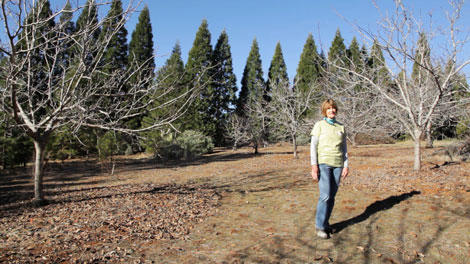
Quick Answer: What Not to Plant Near a Black Walnut Tree
Most often damaged (avoid under the canopy/dripline and within the root zone):
- Nightshades: tomatoes, potatoes, peppers, eggplant
- Other vegetables often listed as sensitive: asparagus, peas, cabbage-family crops (varies by site)
- Fruits/shrubs often listed as sensitive: apples, blueberries, blackberries (and other brambles)
- Ornamentals often listed as sensitive: azalea, rhododendron, lilac
Usually better choices (commonly listed as juglone-tolerant):
- Vegetables: beans, corn, carrots, beets, onions, squash, melons, parsnips
- Ornamentals/groundcovers: hosta, ferns, coral bells, sweet woodruff
- Tip: If you must grow sensitive plants nearby, use deep raised beds with clean soil and keep walnut debris out.
Understanding Black Walnut Tree Toxicity (Juglone)
What is juglone?
Juglone (5-hydroxy-1,4-naphthoquinone) is an allelopathic compound produced by black walnut. It occurs in many parts of the tree—especially roots and nut hulls—and can inhibit growth in certain sensitive plants. Toxic effects are usually strongest under the canopy/dripline, where roots and leaf/hull debris are most concentrated.
How far does juglone reach?
Many university and arboretum resources describe the highest risk within the dripline and the broader root zone, with effects sometimes reported roughly 50–80 feet from a mature tree depending on conditions. The key takeaway: the closer you garden to the trunk and under the canopy, the more likely sensitive plants will struggle.
Is it juglone—or shade and dry roots?
Not every “failure under a walnut tree” is juglone. Dense shade, dry soil, and root competition can also cause wilting, yellowing, and stunted growth. If a plant fails repeatedly only near a black walnut (but thrives elsewhere), juglone sensitivity becomes more likely.
What Not to Plant Near a Black Walnut Tree
The plants below are frequently cited as juglone-sensitive. Sensitivity can vary by variety, soil drainage, rainfall, and distance from the tree, but these are the most common “avoid” picks for gardens located under a black walnut canopy or within the root zone.
| Category | Often Sensitive / Higher Risk Near Black Walnut |
|---|---|
| Vegetables | Tomatoes, potatoes, peppers, eggplant; asparagus; peas; and some cabbage-family crops (site dependent) |
| Fruits & berries | Apples; blueberries; blackberries/other brambles (especially within the canopy area) |
| Ornamentals | Azalea, rhododendron, lilac (commonly listed as sensitive) |
Workaround: If you want to grow sensitive plants “near” a black walnut, build deep raised beds (or use containers) with juglone-free soil and keep walnut leaves, hulls, and twigs out of the bed.
Best Black Walnut Companion Plants (Juglone-Tolerant Options)
Many plants grow well near black walnut. The best approach is to choose species commonly listed as juglone-tolerant and then match them to the site conditions (shade, moisture, and root competition).

Vegetables commonly listed as juglone-tolerant
Trees & shrubs that are often reported as tolerant
- Elderberry, persimmon, plus many established landscape trees (examples often include oaks and some maples depending on the site).
Perennials, groundcovers & shade-friendly companions
- Sweet woodruff, Shasta daisy, hostas, coral bells, and ferns
For more planting ideas, browse potted trees and shrubs suited to mixed plantings.

How to Successfully Garden Near Black Walnut Trees
- Start with distance: Place sensitive plants outside the canopy area and as far from the trunk as practical. The dripline is the highest-risk zone.
- Use raised beds (the right way): Build deep beds with clean soil and keep walnut leaves, hulls, and twigs out of the bed.
- Clean up debris: Rake and remove fallen leaves and husks to limit juglone buildup where you’re trying to garden.
- Manage shade and moisture: Most sites under walnut are dry and shaded—pick shade-tolerant plants and water deeply when establishing new plantings.
- Trial before you commit: Try a small test planting with a “tolerant” species list before installing a full bed.
If you’re gardening under partial shade, this guide can help with light management: protect plants with shade cloth.
Conclusion
Black walnut doesn’t have to mean a barren garden. With smart plant selection, careful debris management, and raised beds where needed, you can build a productive, juglone-aware planting plan that works around your walnut tree. For more planting inspiration, browse walnut trees and plan your landscape with juglone in mind.




71 comments
What about gourds? Will they grow near black walnut trees? I wonder if they are similar to squash plants.
My yard has a number of black walnut trees besides oaks and maples. I have a compost pile containing all of the leaves. Would that compost be toxic for my garden?
Katharyn, I did not find out any information on how lavender tolerates juglone. You might just want to plant a sacrificial plant and see how it grows. Let us know how it goes and we will post it.
Will lavender tolerate black walnut trees? thanks, kitty
Alison- I have not been able to find information about growing those items, kale, lettuce, okra or peas.