Corn Pollination and How to Save Corn Seeds: What Cross-Pollination Means for Gardeners
Growing corn is rewarding, but understanding corn pollination is essential if you want full ears and healthy seed for next season. Whether you grow sweet corn for fresh eating or dry corn to grind into meal, knowing how corn pollinates helps prevent poor kernel set and unwanted cross pollinating between varieties.
This guide explains the corn pollination process, how cross pollination corn can affect your harvest, and how to save corn seeds correctly for future planting.

How Does Corn Pollinate?
Corn plants have both male and female flowers on the same plant. The tassel at the top is the male flower. The ear of corn contains the female flower. Each strand of silk is connected to a potential kernel on the ear.
So how does corn get pollinated?
When tassels release corn pollen, pollen shed occur over several days. A single tassel can release a million pollen grains. Wind carries the pollen to the exposed silks. Once a grain lands on a silk, it grows a pollen tube down to the ovule inside the ear. This fertilizes the potential kernel and produces a kernel of corn.
Each silk must receive pollen for that kernel to develop. If a silk is not pollinated within about 24 hours of being receptive, that potential kernel may not form properly.
Does Corn Need to Be Pollinated?
Yes. Does corn need pollination to form kernels? Absolutely. Without successful pollination, you will see gaps on the ear where kernels failed to develop.
Understanding when does corn pollinate also helps. Pollination usually begins two to three days after tassels fully emerge and can last about 5 to 8 days. Weather matters. Drought stress during pollination can dry out silks and reduce kernel set.
If conditions are still and wind is low, you can help by gently shaking the tassels in the morning when pollen is actively shedding. This encourages better contact between pollen and silks.
For a full overview of planting and timing, the beginner’s guide to growing corn explains spacing and layout to improve pollination corn success.

Corn Cross Pollination: Why It Matters
Corn is naturally wind-pollinated and primarily cross-pollinated. So how does corn pollinate in a garden with multiple varieties? Wind carries pollen from one variety to another.
This means corn cross pollination can change the characteristics of your next generation of seed. For example:
- Sweet corn may become starchy if cross pollinating with dent corn.
- Popcorn crossed with sweet corn may produce poor-quality seed.
- Colorful flint types can influence kernel color in the next crop.
If you plan to save seeds, isolation is critical.
To better understand the differences between types, see the guide on choosing the right corn varieties.
How to Prevent Unwanted Cross-Pollination
If you are serious about how to save corn for seed, follow these guidelines:
Isolation by Distance
Plant different corn varieties at least 250 to 300 feet apart. Commercial seed producers often use 1,000 feet or more. In home gardens, space may limit you.
Isolation by Time
Stagger planting dates so pollen shed occur at different times. If one variety finishes pollinating before the second begins, cross pollination corn risk decreases.
Plant in Blocks
Always plant corn in blocks instead of long single rows. This improves how corn pollinates and supports successful pollination.
If garden space is tight, the article on growing corn in small spaces explains how to adjust layout.

How to Save Corn Seeds Properly
If you want to know how to save seeds from corn, start by selecting strong, disease-free corn plants.
Step-by-Step: How to Save Corn for Seeds
- Allow ears to mature fully on the stalk. For dry corn and popcorn, wait until husks are brown and dry.
- Harvest and continue drying in a well-ventilated area.
- Once kernels are hard, shell the ears.
- Select well-formed, fully pollinated ears for seed.
- Store dried seed in a cool, dry location.
This process answers common questions such as how do you save corn seeds and how to save corn for seed successfully.
Proper storage matters. Seeds should be fully dry before sealing in containers. Moisture reduces viability.
Recommended Corn Varieties for Seed Saving
If your goal is to save heirloom or open-pollinated seed, choose stable varieties rather than hybrids.
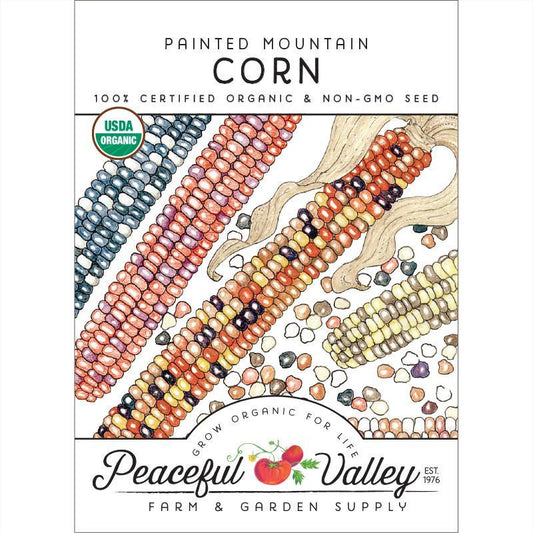
- Painted Mountain Corn Seeds (Organic) – An open-pollinated variety suited for shorter seasons and ideal for saving seed.
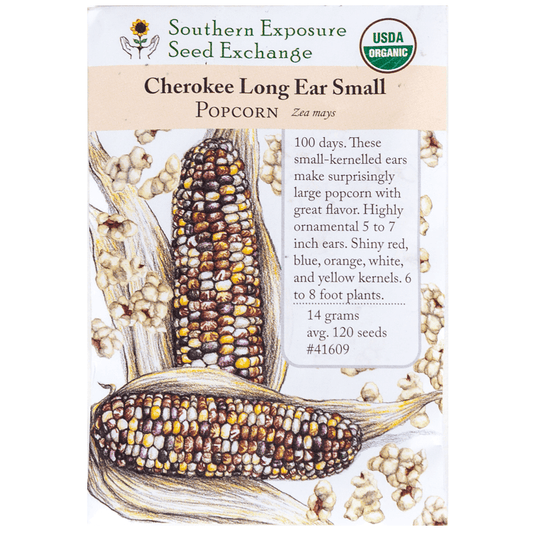
- Cherokee Long Ear Popcorn Corn (Organic) – A traditional popcorn type that maintains strong popping quality when isolated.
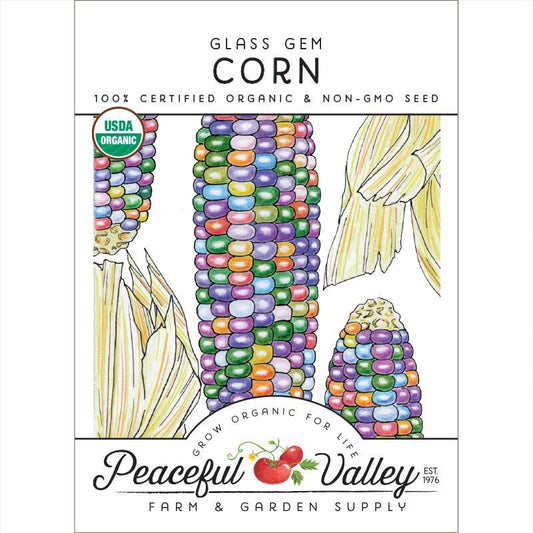
- Glass Gem Corn Seeds (Organic) – A colorful flint type often grown for decorative use and dry grain.
- Hooker’s Sweet Indian Corn Seeds (Organic) – An open-pollinated sweet type suitable for seed saving.
Hybrid sweet corn such as Mirage F1 or Supersweet Jubilee should not be used if you plan to save seeds, as they will not reproduce consistently.
You can explore additional open-pollinated options in the full corn seeds collection.

Supporting Healthy Pollination
Healthy corn plants produce better pollen and silk development.
- Maintain even soil moisture to reduce drought stress.
- Control weeds early. This video on organic weed control methods for corn offers practical solutions.
- Improve soil fertility using guidance from the complete corn growing guide.
- Increase yields with tips from maximizing corn growth and yield.
You can also integrate corn into a traditional system like the Three Sisters companion planting method or watch how it works in this Three Sisters planting video.
Conclusion
Understanding the corn pollination process is essential for full ears and strong seed. Knowing how long does corn pollination last, how corn pollinates, and how to prevent unwanted cross pollinating gives gardeners more control over their harvest.
If you plan to save seeds, choose open-pollinated varieties, isolate them carefully, and dry seed thoroughly. With attention to timing and spacing, pollinated corn can produce reliable seed for many seasons.
By understanding how do you pollinate corn naturally and how to save corn seeds correctly, gardeners can grow corn confidently while preserving their favorite varieties for the future.