
A Gardener’s Guide to Understanding the Differences
Growing corn is simple once you understand what you are planting. Many gardeners ask about corn vs sweet corn, or whether dent and flint types can be eaten fresh. The truth is that different varieties of corn are bred for very different purposes.
If you are choosing from our full selection of corn seeds, it helps to know what each type does best in the garden and kitchen.
Corn Varieties You Can Grow
If you are deciding between sweet, dent, or flint types, here are options that match each purpose:
Sweet Corn for Fresh Eating
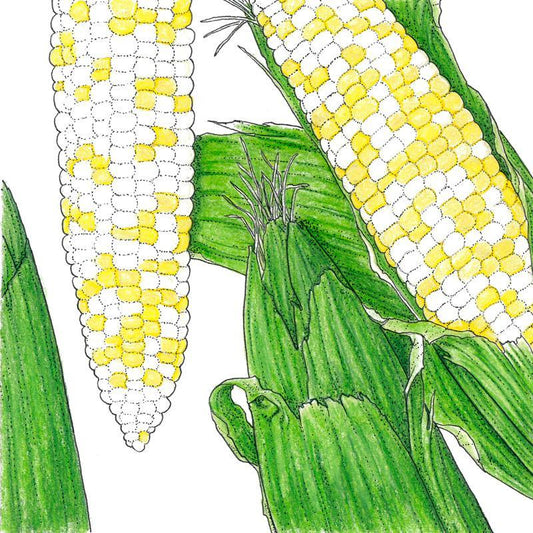
- Honey and Cream Corn Seeds
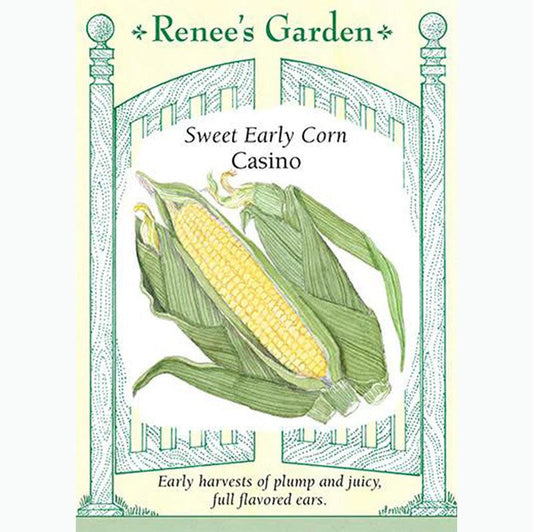
- Casino Sweet Early Corn Seeds
- Sugar Buns Corn Seeds
- Sweet New Mama Corn Seeds (Organic)
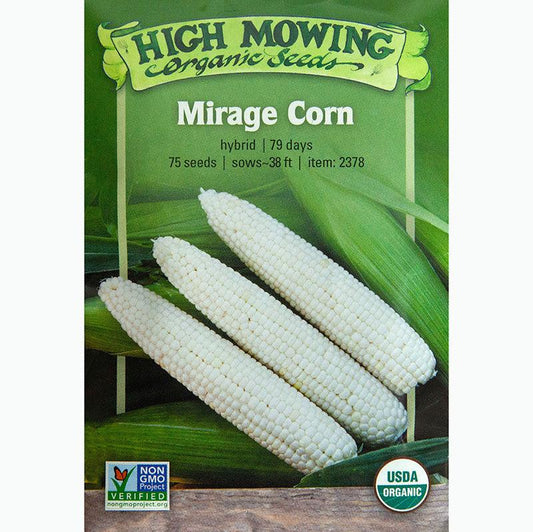
- Mirage F1 Sweet Corn Seeds (Organic)
- Temptress Corn Seeds
- Supersweet Jubilee Corn Seeds
- Serendipity Corn Seeds
- Double Standard Corn Seeds (Organic)
These are ideal if your goal is tender corn on the cob harvested at peak sweetness.
Popcorn and Flint-Type Corn
- Cherokee Long Ear Popcorn Corn (Organic)
- Organic Corn, Cherokee Long Ear Popcorn (1/4 lb)
- Dakota Black Popcorn Corn
- Painted Mountain Corn Seeds (Organic)
- Organic Corn, Painted Mountain (1/2 lb)
- Glass Gem Corn Seeds (Organic)
- Organic Martian Jewels Corn Seeds
- Double Red Corn Art Pack (Organic)
- Hooker’s Sweet Indian Corn Seeds (Organic)
- Who Gets Kissed Corn Seeds (Organic)
These harder-kernel types are better suited for drying, grinding, or decorative use. Many fall into the flint corn category or are closely related.

Sweet Corn: For Fresh Eating
So, what is sweet corn? Sweet corn is bred to slow the conversion of sugar into starch inside each corn kernel. That is why it tastes sweet when harvested at the milk stage.
Unlike field corn, sweet corn is picked young and eaten as corn on the cob. Once harvested, sugars quickly turn to starch, so timing matters.
There are several types of sweet corn, including standard sweet corn, sugary enhancer, and sugary enhanced se varieties. These different kinds of sweet corn vary in sweetness and tenderness. Many gardeners consider Silver Queen among the best sweet corn options, though modern hybrids also perform well.
When selecting sweet corn seeds, think about your climate and planting schedule. For planting guidance, see our article on how to grow sweet corn, popcorn, or dry corn.
Dent Corn: Grain and Feed
Dent corn, also known as field corn, looks different when mature. If you wonder what is dent corn, the name comes from the dent that forms on top of the kernel as it dries. That dent forms because of the high amount of soft starch in the center.
Yellow dent corn is commonly used for livestock, processed foods, and animal feed. Gardeners who buy dent corn seeds are usually growing it for dry grain, not fresh eating.
It stays on the stalk much longer than sweet corn. This is why dent corn is not used for fresh summer meals.

Flint Corn: Hard and Traditional
If you have seen colorful ears used for decoration or grinding, you have likely seen flint corn. So what is flint corn? It is a hard-kernel type with very little soft starch. Unlike dent types, flint does not form a dent when dry.
Flint corn has a long history with Native Americans, who used it as flour corn for grinding into meal. Today it is still valued for making corn flour, hominy, and traditional dishes.
Popular flint types include open pollinated varieties like Painted Mountain. When comparing flint corn vs dent corn, remember that flint has harder kernels and stores well.
If you are growing for grain or traditional cooking, flint corn seed may be the better choice.

Choosing What to Grow
Your goals determine what to plant. If you want sweet summer meals, choose a variety of sweet corn. If you want dry grain, choose dent or flint.
To reduce cross pollination between different corn plantings, separate types by distance or stagger planting dates. You can learn more in our guide on choosing the right corn varieties.
With the right corn seed, you can confidently grow corns that fit your kitchen and garden plan.