A cherry tree that flowers but does not crop needs diagnosis rather than a generic fertilizer. Work through tree age, cultivar compatibility, bloom weather, frost, light, pruning and tree health. For general cultivation, see the complete cherry growing guide.

First Identify the Failure
- No flowers: tree may be young, overpruned, excessively vigorous, poorly chilled or carrying damaged buds.
- Flowers but no small fruit: investigate pollen compatibility, bee activity and frost.
- Fruit forms then drops: consider incomplete pollination, weather, water stress, pests or natural thinning.
- Fruit disappears: inspect for birds, rodents and other wildlife.
Pollination Compatibility
Many sweet cherries require a different compatible cultivar that blooms at the same time. Some cultivar pairs are cross-incompatible even when bloom overlaps. Most common tart cherries are self-fertile, and several sweet cultivars are self-fertile, but “self-fertile” does not mean pollinators are unnecessary. Use the self-fertile cherry guide and verify current cultivar charts.
Bloom Weather and Frost
Cold, rain and wind can limit pollinator flight. Freezing temperatures can injure open flowers or young fruit even when the tree appears healthy. Compare damage among flower stages and locations in the canopy before assuming a pollination problem.

Light, Nitrogen and Pruning
Shade and excess nitrogen favor shoots over flower buds. Heavy pruning can remove fruiting spurs or stimulate vigorous regrowth. Confirm full sun, keep lawn fertilizer away from roots and prune for structure and light rather than severe annual reduction.
Water and Root Health
Drought during bloom and early fruit growth can reduce retention, while saturated soil damages roots. Check moisture below the surface and correct irrigation coverage or drainage. Mulch the root zone without piling material against the trunk.
Tree Age and Rootstock
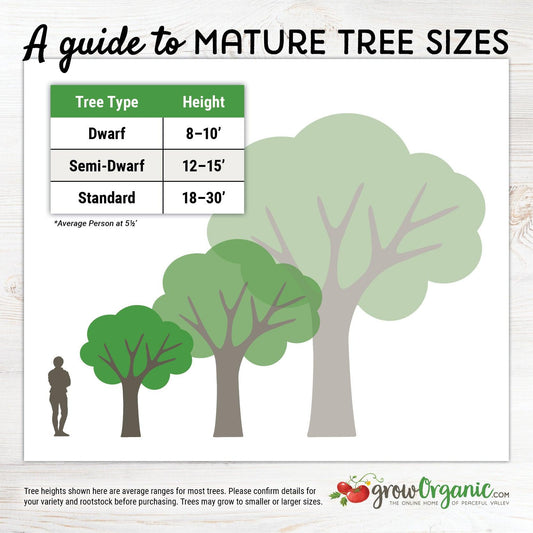
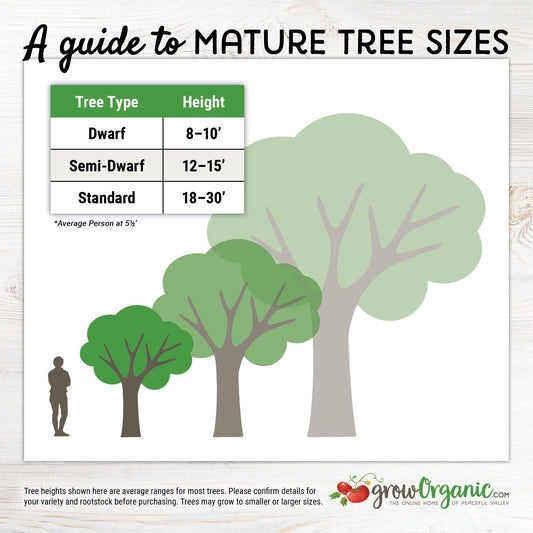
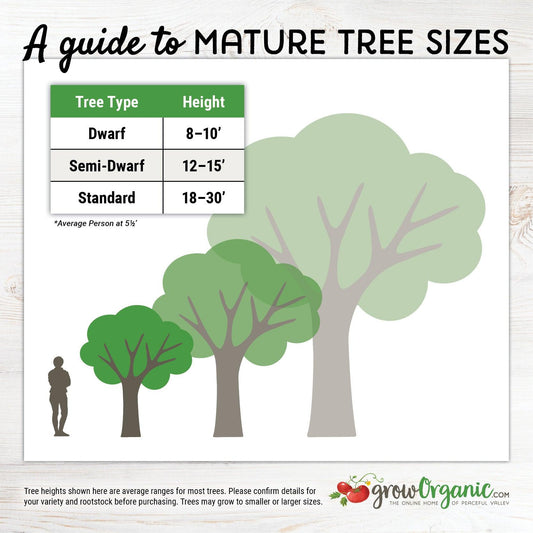
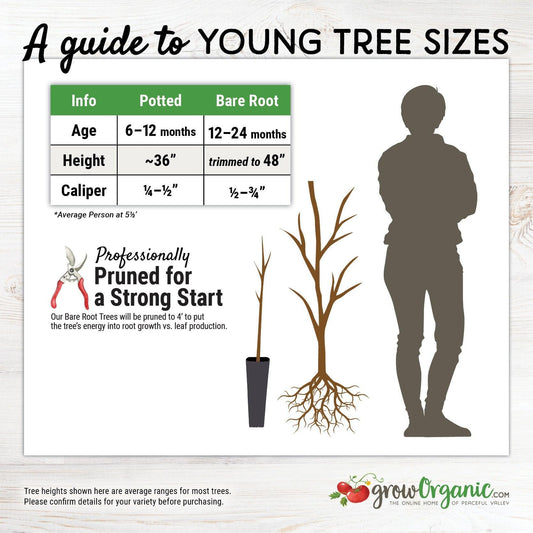
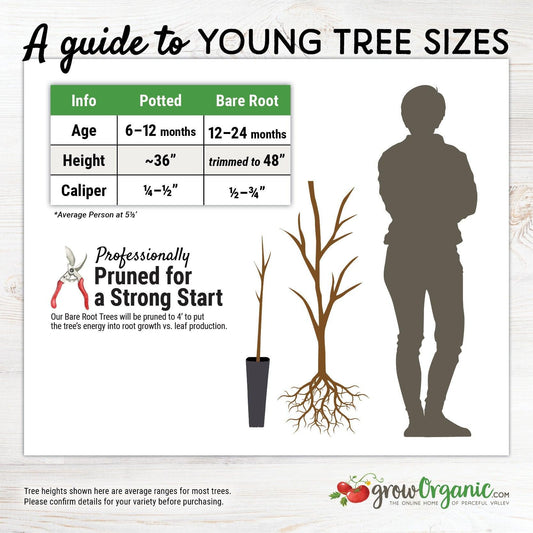
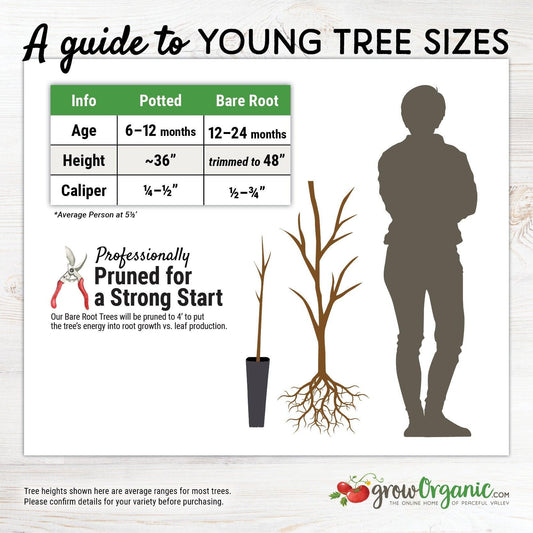
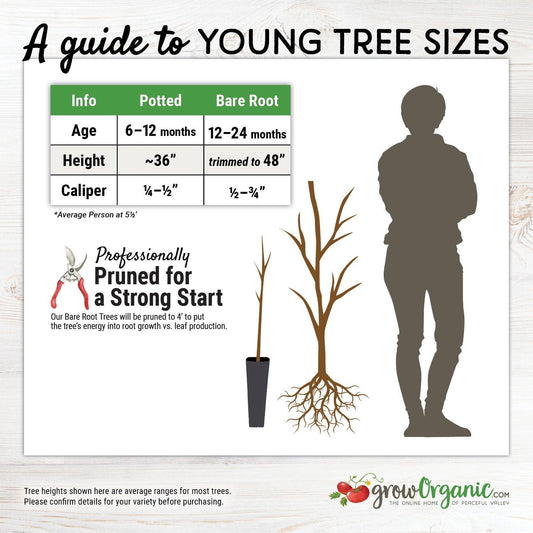
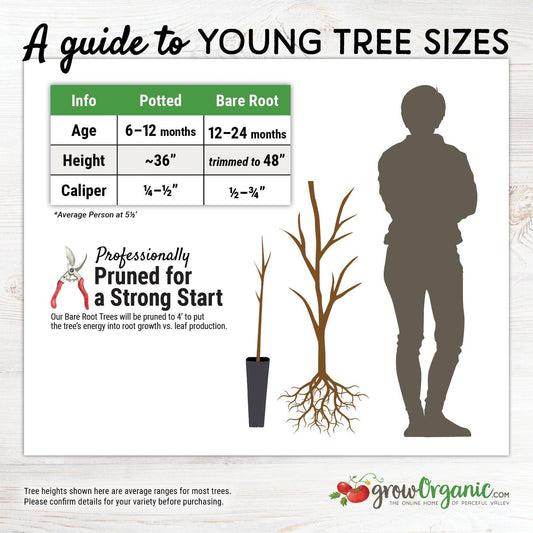
Bearing age varies with cultivar, rootstock, tree quality and establishment. A healthy young tree may simply need time. Do not push it with heavy fertilizer; strong roots and a sound structure support later crops.

Recovery Checklist
- Confirm cultivar, rootstock and expected bearing age.
- Verify a compatible overlapping-bloom pollinizer where required.
- Record frost and weather during bloom.
- Check sun, nitrogen and recent pruning.
- Inspect flowers and young fruit for pests or disease.
- Review soil moisture and drainage.

Choose Compatible Trees
Browse cherry trees and compare bloom group, compatibility, chill requirement, rootstock and harvest season before adding a partner tree.