Germinating Swiss Chard: Growth Stages from Seed to Harvest
Swiss Chard is one of the most dependable leafy greens you can grow. It establishes quickly, produces over a long season, and tolerates a wide range of conditions. Understanding Swiss chard growing stages helps you get strong germination, healthy plants, and steady harvests, including knowing the typical germination time for Swiss chard, which is usually about 5 to 10 days under ideal conditions.
This guide walks through germinating Swiss chard, from seed to mature plant, so you know what to expect at each stage.
If you are new to growing chard, start with this overview on how to grow Swiss Chard successfully.

Why Germination Matters
Healthy plants begin with proper chard seed germination. If seeds struggle early, plants may grow unevenly or remain weak.
Swiss Chard grows best in fertile soil with added organic matter and consistent soil moisture. Good germination leads to stronger roots, which support steady growth through multiple growing seasons.
Germinating Swiss Chard Seeds
Germination Conditions
Understanding Swiss chard germination requirements improves success rates.
- Chard germination temperature: 50°F to 85°F
- Germination temperature for Swiss chard is ideal around 60°F to 75°F
- Does Swiss chard need light to germinate: No, seeds germinate best when lightly covered with soil
Germination Time
Many gardeners ask, how long does it take for Swiss chard to germinate?
- Swiss chard germination time is typically 5 to 10 days
- In cooler soil, chard seeds germination time can extend to about 14 days
This answers common questions like how long for Swiss Chard seeds to germinate and how long does Swiss chard take to germinate.

Swiss Chard Growth Stages
Understanding Swiss Chard growth stages helps you care for plants at the right time.
Stage 1: Seed and Sprouting
After planting, the Swiss Chard seed absorbs moisture and begins to sprout. Keep soil evenly moist but not waterlogged.
You can seed indoors a few weeks before the last frost date or sow directly outdoors in early spring.
Stage 2: Swiss Chard Seedling
The swiss chard seedling stage begins when the first small leaves appear.
- Provide bright lights if growing indoors
- Protect young plants from pests like flea beetles and leaf miners
- Thin seedlings so each plant has space to grow
At this stage, strong root development is critical.
Stage 3: Leaf Development
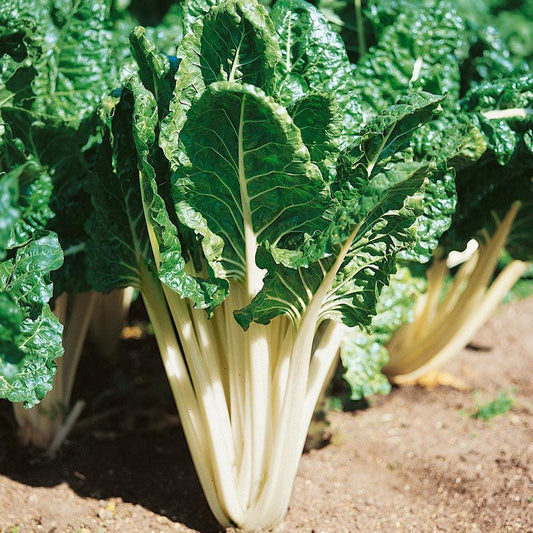
As plants mature, they produce larger leaves and stronger stems.
- Maintain consistent watering
- Add compost if growth slows
- Ensure full sun for best results
Swiss Chard grows quickly once established, especially in mild weather.
Stage 4: Harvest Stage
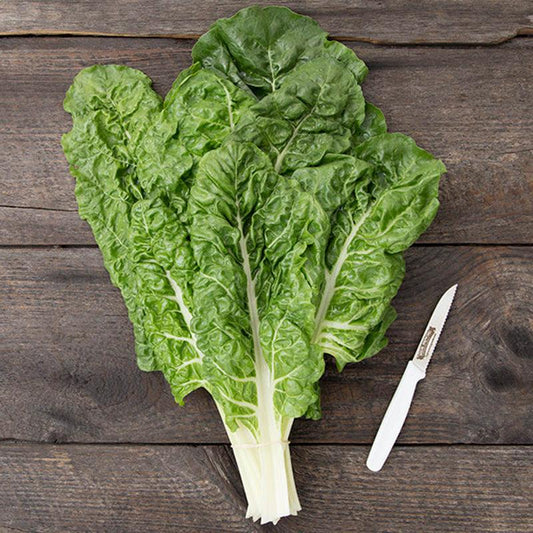
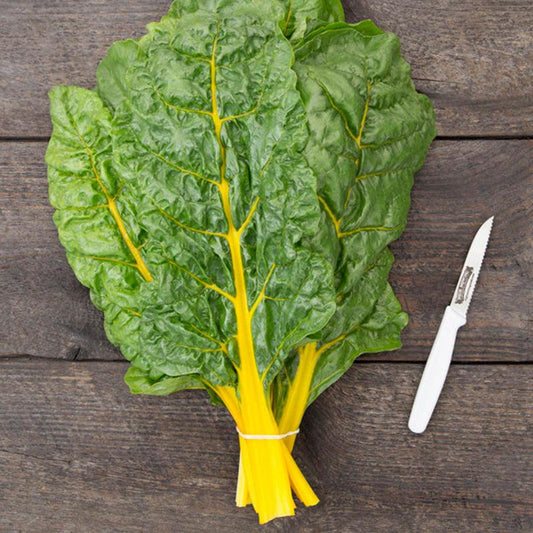
You can begin harvesting Swiss Chard when leaves reach about 6 to 10 inches.
- Harvest outer leaves first
- Allow inner leaves to continue growing
- Younger leaves are more tender and milder in flavor
Regular harvesting encourages continued production.

Choosing the Right Chard Varieties
Selecting strong varieties supports better germination and growth.
-
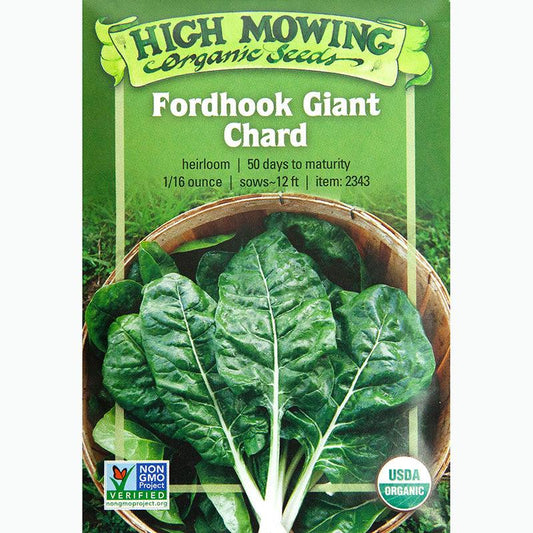
Fordhook Giant Chard Seeds (Organic)
- A dependable variety with large, productive leaves. Learn more in this guide to Fordhook Giant chard characteristics
-
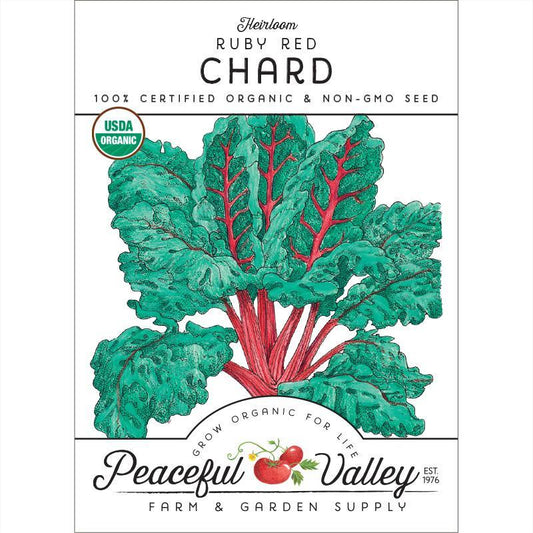
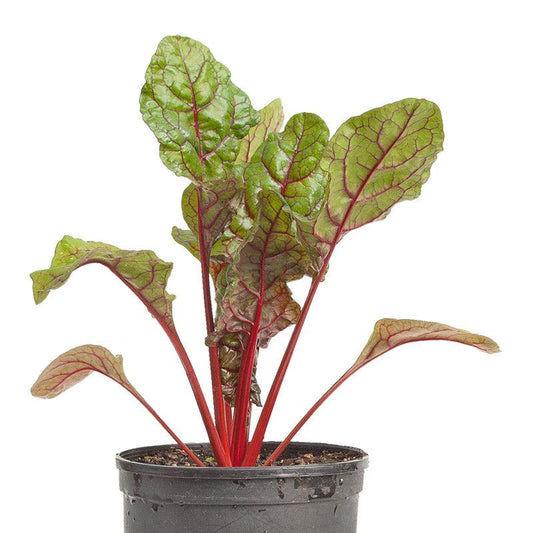
Red Ruby Chard Seeds (Organic)
- Known for strong stems and reliable growth. See how it performs in growing ruby red chard in warm climates
-
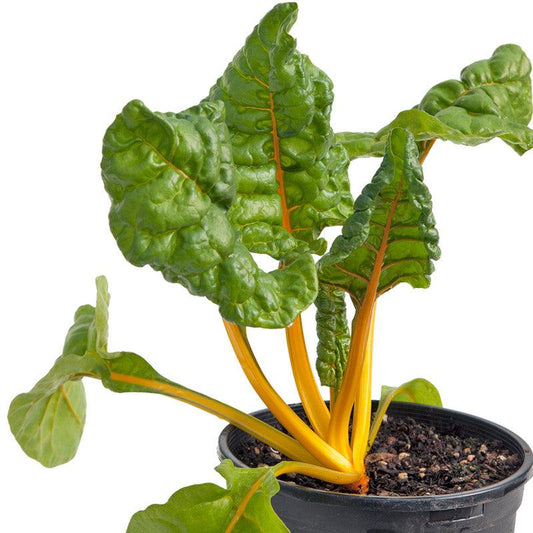
Five Color Silverbeet Chard Seeds (Organic)
- A colorful mix often called rainbow chard, suitable for diverse garden beds
Explore more options in this collection of organic chard seeds.
For detailed planting timelines, refer to this complete chard growing guide.
Common Germination Mistakes
A few common issues can affect germinating chard:
- Planting too deep
- Letting soil dry out during germination
- Starting seeds in overly cold soil
- Overcrowding young plants
Keeping conditions steady helps ensure even sprouting and strong early growth.
Conclusion
Understanding chard growth stages from seed to harvest makes a big difference in plant health and productivity. With proper chard germination, consistent care, and timely harvesting, Swiss Chard can produce fresh greens for months, especially when chard plantings are staggered to ensure a continuous supply of tender leaves.
By starting with strong seeds and maintaining good growing conditions, you can grow Swiss Chard successfully across multiple growing seasons while encouraging steady chard plantings and harvesting tender leaves at their peak quality.