Green Bean Leaves Turning Yellow: Why Are My Bean Leaves Turning Yellow and How to Bring Them Back to Green
You check your garden and notice green bean leaves turning yellow. It can feel discouraging, especially when the plants looked healthy just days ago. If you are asking why are my bean leaves turning yellow, you are not alone.
Yellowing leaves on bean plants are usually a sign of stress. The cause may be simple, such as watering issues, or more complex, like plant diseases or nutrient deficiencies. When you see leaves on green beans turning yellow, the key is to look closely at the pattern of yellowing and respond early.
This guide explains why green beans turning yellow happens, what the symptoms mean, and how to restore healthy growth.
In some cases, prevention methods such as proper spacing, consistent watering, and using row covers to protect plants from insect pests can make a significant difference. By identifying the cause early and taking practical steps, you can help your bean plants recover and continue producing healthy, vibrant foliage and pods.

Start With the Basics: Water and Soil
Watering Problems
One of the most common reasons for green bean plant leaves turning yellow is improper watering.
Beans prefer consistent soil moisture, not soggy soil. If your watering schedule is uneven, roots may struggle to absorb nutrients. Overwatering reduces oxygen in the soil, leading to pale leaves. Underwatering causes drought stress and yellowing from the bottom up.
If young bean plants turning yellow appear wilted and soil feels dry several inches down, they need water. If leaves look soft, pale, and droopy while soil is constantly wet, roots may be suffocating.
Check soil moisture before watering. Aim for about 1 inch of water per week, adjusting for heat and rainfall.
For a complete overview of planting and care, see the detailed bean growing guide.
Nutrient Deficiencies
Nitrogen and Other Imbalances
Beans are legumes and can fix nitrogen through root nodules, but they still need healthy soil. Poor soil fertility or low organic matter can cause bean plants turning yellow.
Nitrogen deficiency often appears as uniform yellowing on older leaves first. Iron deficiency shows as yellowing leaves including green veins, especially on newer growth.
Improve soil with compost and balanced amendments. Avoid high-nitrogen fertilizers, which can reduce pod production.
Healthy soil preparation is explained in this practical how to grow beans guide.

Pests That Cause Yellow Leaves
Spider Mites
If you see speckled yellowing and fine webbing, spider mites may be feeding on the undersides of green bean leaves. These tiny pests suck plant juices and cause stippling that turns leaves yellow.
Rinse plants with water to reduce populations. If needed, apply insecticidal soap in the evening to avoid leaf burn.
Other Insect Pressure
Heavy aphid infestations can also cause beans leaves turning yellow by draining plant sap. Encourage beneficial insects or use insecticidal soap as directed.
Plant Diseases to Watch For
When why are my green bean leaves turning yellow becomes a repeated issue, disease may be involved.
Bean Mosaic Virus
Bean mosaic virus causes mottled yellow and green patterns, distorted growth, and stunted plants. Infected plants should be removed, as there is no cure.
Halo Blight and Bacterial Blight
Halo blight produces dark spots with pale yellow halos on leaves. Bacterial blight causes irregular brown spots that may merge, leading to widespread yellowing leaves on bean plants.
Avoid overhead watering, rotate crops, and plant resistant varieties to reduce plant diseases.

Bush Beans vs. Pole Beans
Both bush beans and pole bean types can show yellowing, but growth habit affects airflow and disease risk.
If you notice bush beans leaves turning yellow, check for crowded spacing and poor air circulation. For pole bean leaves turning yellow, inspect trellised vines for spider mites and uneven watering.
Vertical growing improves airflow. For small gardens, see tips in this article on urban gardening with beans and this guide to innovative vertical gardening techniques for beans.
Environmental Stress
Heat and Climate
Extreme heat can stress plants and cause green beans are turning yellow, especially during flowering. Consistent moisture and mulching help reduce stress.
You can learn more about adapting to temperature swings in this article on climate resilient bean farming practices.
Choosing Strong Varieties
Healthy genetics matter. If you are experiencing repeated problems, consider trying reliable varieties from our full bean seeds collection.
Strong performers include:
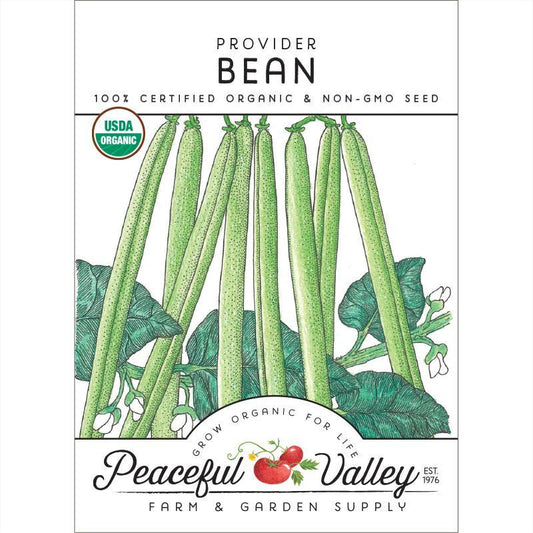
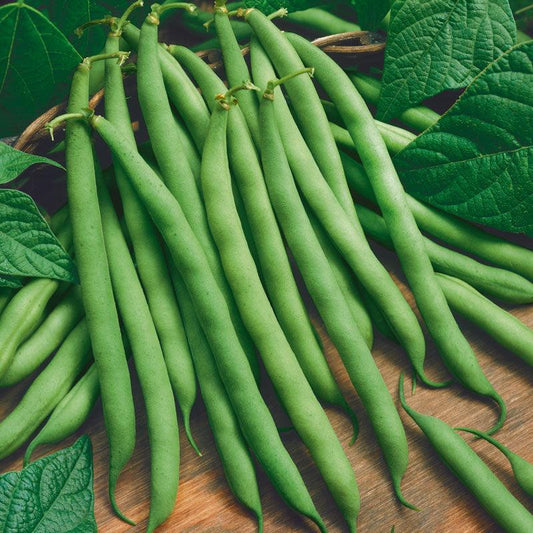
- Provider Bush Bean Seeds (Organic) – Known for early maturity and dependable yields.
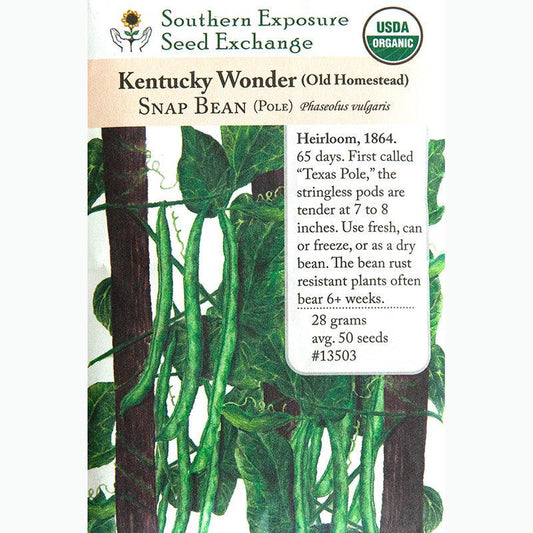
- Kentucky Wonder Pole Bean Seeds (Organic) – Vigorous climber with good disease tolerance.
- Tendergreen Bush Bean Seeds (Organic) – Productive and widely adapted.
- Roma Improved Bush Bean Seeds – A classic flat pod type valued for steady growth.
- Broad Windsor Fava Bean Seeds (Organic) – For gardeners asking why are my broad beans turning yellow, fava beans prefer cooler conditions and rich soil.
Crop rotation and companion planting also improve plant health. The article on companion planting for thriving bean crops explains helpful pairings. You can also see traditional methods in this video on planting corn, squash, and beans using the Three Sisters method.

Can Yellow Leaves Turn Green Again?
In most cases, once a leaf turns fully yellow, it will not return to dark green. However, correcting the underlying issue can protect new growth.
Remove severely damaged leaves if disease is present. Otherwise, allow slightly yellow leaves to remain until the plant naturally sheds them.
If harvest is strong and pods are forming, consider preserving your crop using safe methods outlined in this guide on how to can green and wax beans.
Conclusion
If you are asking, why are my green bean plants turning yellow, start with water, soil health, and pest inspection. Most yellowing leaves on bean plants trace back to stress rather than permanent damage.
By adjusting your watering schedule, improving soil organic matter, and watching for insect or disease symptoms, you can often restore healthy green growth. Careful observation is the most powerful tool in successful bean growing.
FAQs About Beans Turning Yellow
How do you fix yellow leaves on bean plants?
What do overwatered bean plants look like?
How to fix plant leaves turning yellow?
Can a yellowing leaf turn green again?
What does it mean when green beans turn yellow?
How often should green beans be watered?
How to revive a dying bean plant?
Should I remove leaves that are turning yellow?
Why are my broad beans turning yellow?
Pesticide note: Identify the pest or disease before treatment. Use a pesticide only when its current label lists the crop or site and target problem, and follow all rates, timing, protective-equipment, harvest-interval, pollinator, and environmental directions. “Natural” or allowed in organic production does not mean harmless.