Introduction
Borage brings blue stars and bees to sunny gardens. This herb adds color among vegetables, herbs, and flowers. It is also easy to grow from seed when given suitable soil and space.
The borage benefits for gardeners are its flowers, pollinator value, and informal appearance. This guide explores borage uses and benefits without recommending the plant for health conditions.

What Is a Borage Plant?
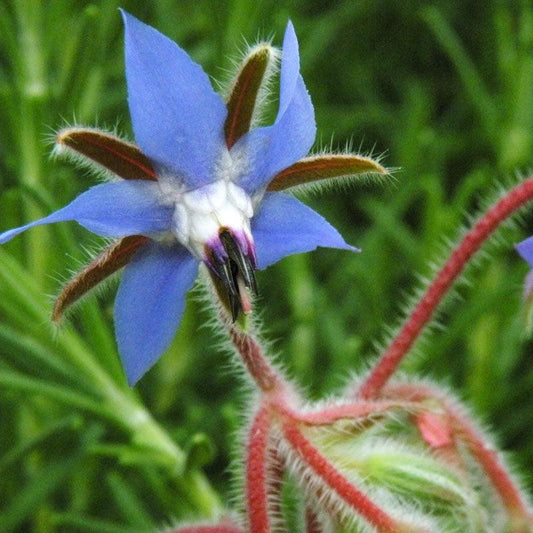
To define borage, start with its botanical name: Borago officinalis. Common borage is an annual from the Mediterranean region. Plants often reach two to three feet tall, with hairy stems and rough, gray-green leaves.
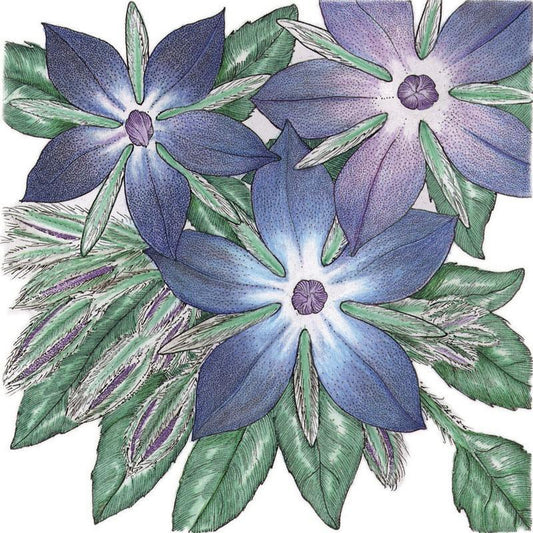
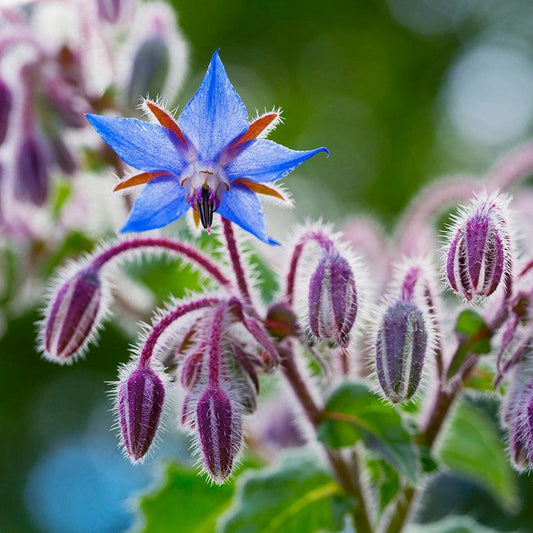
Labels reading “borage Borago officinalis” identify the species; “borage Borago” names only the common name and genus. This blue flowered herb usually has five-pointed blooms, although white forms exist.
If you are asking “what is borage plant identification based on,” look at the flowers, foliage, and growth habit together. Never identify a plant for eating from flower color alone.
How to Grow Borage
Choose full sun and soil that drains well. Sow borage seeds outdoors after frost danger passes. Follow packet directions for depth and thin seedlings to about twelve inches apart.
Keep seeds moist while they sprout. Water young plants as roots develop, then adjust for rainfall and soil moisture. Established plants tolerate some dryness; avoid leaving roots in soggy ground.
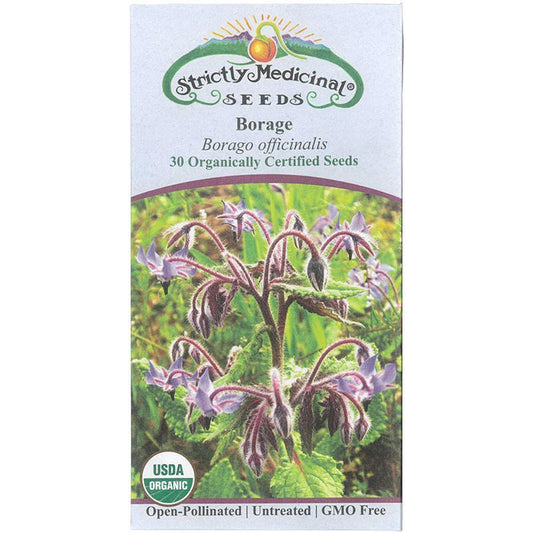
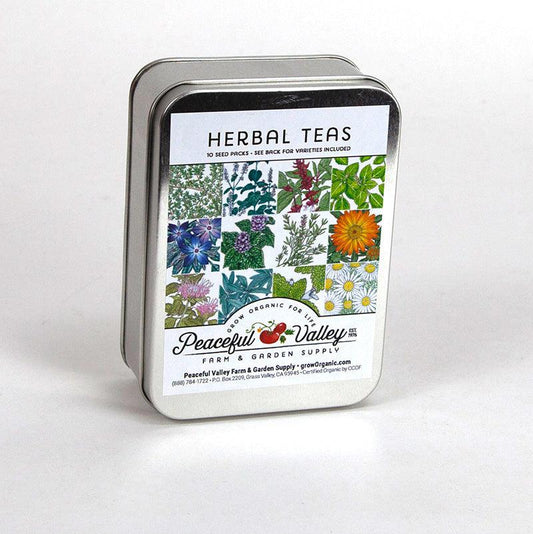
Compare the organic borage listing with other non-GMO and organic seeds. Our herb seed guide explains sowing choices.
Borage often self-seeds. Remove unwanted seedlings early, or remove fading flowers before seeds mature if you want fewer volunteers.

How to Use Borage Plantings
Garden uses for borage range from cottage-style borders to sunny patches beside vegetables. Give each plant room to branch out so its stems do not shade or crowd smaller plants.
As a companion plant, borage adds flowers that bees visit. Pair it with other pollinator flowers that bloom at different times to keep your garden flowering through the season. Its value lies in those floral resources; pest protection and changes to nearby crop flavor are not guaranteed.
Wondering what to do with borage after flowering? Let a few flowers develop seeds if you would welcome new plants next season. Otherwise, remove fading blooms before seeds mature. These borage plant uses give you flexibility to enjoy a loose, natural planting or keep a tidier border.
How to Use Borage Leaves in the Garden
The simplest approach to how to use borage leaves is to leave healthy foliage on the plant. Its broad, bristly leaves bring a different texture to beds filled with fine grasses or smaller-leaved herbs. They also capture the sunlight the plant needs to grow.
For gardeners, borage leaf benefits include this contrast in shape and texture. Plant it in full sun and well-drained soil, with enough space to reach its mature size. Tuck lower-growing flowers nearby without crowding the base.
Older accounts of the uses of borage often mention young leaves in food and flowers frozen in ice cubes. However, borage leaves and flowers can contain pyrrolizidine alkaloids, which raise food-safety concerns. Traditional borage usage does not establish a safe serving, and advice to use “small amounts” offers no measured safety limit.
Keep that distinction in mind when exploring borage leaves benefits or dried borage uses. Drying is not a reliable way to make the plant safe to eat. You can enjoy its leaves and blooms as part of the garden without harvesting them for food.

Borage Uses and Benefits
The benefits of borage are easy to appreciate in a flower bed: star-shaped blooms, bold foliage, and visiting bees. Spend a few minutes watching the flowers, then check for seedlings nearby. Keep those you have room for and remove unwanted ones while they are small.
Some searches lead beyond these garden uses. Borage seed oil, for example, is a source of gamma linolenic acid GLA, an omega-6 fatty acid. It is a different preparation from leaves soaked in kitchen oil. Searching for how to make borage oil does not establish that a homemade preparation is safe.
You may also come across “borage tea benefits,” “borage tincture benefits,” or “anti inflammatory properties.” Questions about rheumatoid arthritis and other health conditions belong with a qualified healthcare professional; this guide does not recommend borage for those purposes.
For your planting plans, focus on the borage benefits you can enjoy outdoors. Give it a suitable spot, leave plenty of flowers for bees, and manage seedlings to keep it growing where you want it.
Conclusion
Grow borage for flowers, visiting bees, and seasonal interest. Plan its space, manage seedlings, and keep culinary history separate from safety advice. Explore the Seed Learning Center and herb seeds to build a varied garden.
FAQs About What is Borage?
What is borage good for?
What are the benefits of borage?
What is another name for borage?
What are the borage leaves benefits?
What are the dried borage uses?
What is a borage?
What is borage used for?
Disclaimer:
This article is for gardening and general informational purposes only. It does not provide medical advice or recommend borage for treating or preventing health conditions. Borage contains naturally occurring pyrrolizidine alkaloids. Consult an appropriate healthcare professional or food-safety authority before using borage as a supplement, herbal preparation, or medicinal product.