How to Grow Red Pontiac Potatoes
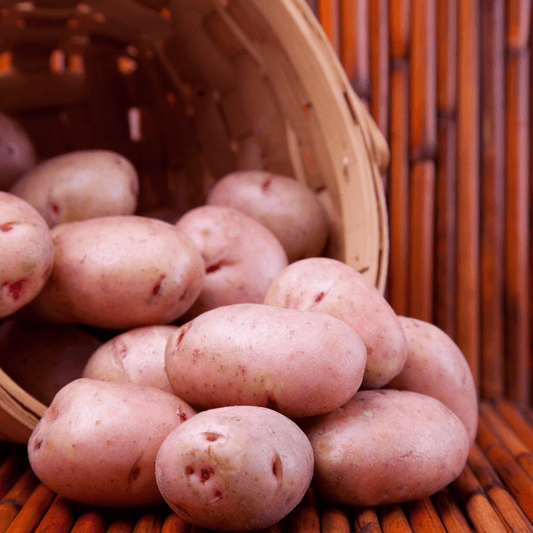
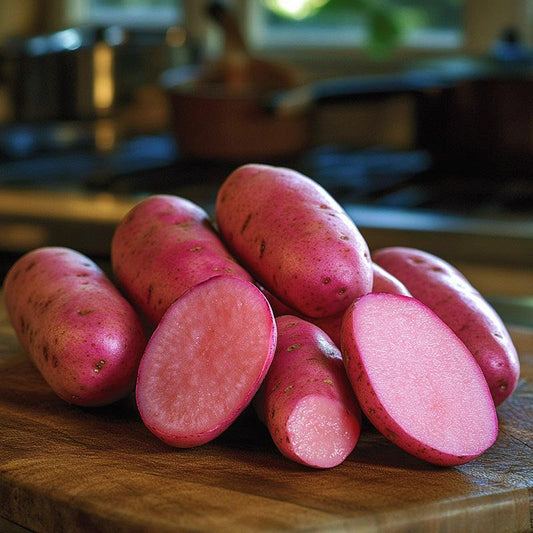
Red Pontiac is a mid-season potato with thin light-red skin, white flesh, and broad kitchen versatility. The current Organic Red Pontiac Seed Potato listing gives an 80+ day maturity baseline and describes it as heat-tolerant and suitable for longer storage. Use that number to plan, then judge harvest readiness from the plants and tuber skins.
Site and Soil Preparation
Choose full sun and loose, well-drained soil. Potatoes generally perform best in slightly acidic soil. Test before changing pH or applying fertilizer: unnecessary lime can increase common scab risk, while excessive nitrogen can produce heavy vine growth without a corresponding tuber crop. Rotate potatoes and other nightshades when practical.
Preparing Seed Potatoes
Start with certified seed potatoes rather than grocery-store tubers. Plant small seed potatoes whole. Cut larger ones into pieces with at least one healthy eye each, then let cut surfaces dry before planting. Discard pieces showing soft rot or extensive damage.
Planting Depth and Spacing
Plant when soil is workable and the danger of hard frost has passed. Set seed pieces about 3–4 inches deep and roughly 10–12 inches apart, with rows about 30–36 inches apart. Local soil temperature and weather matter more than a fixed calendar date.
Watering and Hilling
Keep soil evenly moist but not saturated, particularly as tubers initiate and bulk. Large swings between dry and wet soil can contribute to misshapen or cracked potatoes. Water the soil rather than repeatedly wetting foliage.
When stems reach roughly 6–8 inches, pull several inches of soil or clean mulch around them while leaving upper foliage exposed. Repeat as growth continues. Hilling keeps tubers dark and reduces greening; it does not guarantee additional vertical layers of potatoes.
Growing Red Pontiac in Containers
Use a large container or grow bag with drainage holes and loose potting mix. Avoid crowding seed pieces. Containers dry more quickly than garden beds, so monitor moisture frequently without leaving the mix waterlogged. Add mix around stems as they grow to keep developing tubers covered.
Flowers, Pests, and Disease
Red Pontiac plants may flower, but flowering is variable and not required for tuber production. Inspect foliage regularly. Yellowing, spots, holes, or collapse can result from moisture stress, insects, nutrition, or disease, so identify the likely cause before applying a treatment.
Harvesting, Curing, and Storage
Test-dig small new potatoes while vines are still green if you plan to eat them promptly. For a mature storage crop, wait for vines to yellow and die back and for skins to resist rubbing. Dig before hard frost or prolonged wet weather.
Cure sound mature potatoes in darkness with airflow at about 50–60°F and high humidity for 7–14 days. Then store them in darkness at roughly 40–46°F with high humidity and ventilation. Do not wash storage potatoes; brush away dry soil and check the crop regularly.
Use the Red Pontiac maturity and harvest guide for detailed timing. The determinate or indeterminate explainer addresses why those labels should not dictate hilling. Compare this variety with an earlier red potato in the Norland Red vs. Red Pontiac guide.
Red Pontiac FAQs
How long does Red Pontiac take to grow?
The current product listing gives a mid-season baseline of 80+ days. Conditions can shift the actual date, so confirm maturity from vine decline and skin set.
How deep should I plant it?
About 3–4 inches deep is a practical starting point, followed by hilling as stems grow.
Does Red Pontiac work in containers?
Yes, provided the container is large, well drained, not overcrowded, and kept evenly moist.
Related guidance: See the complete potato growing guide or browse seed potato varieties.
Distinctive Red Pontiac Traits
The current Red Pontiac product is described as a mid-season variety with large round tubers, thin light-red skin, white flesh, and deep eyes. It is listed as heat-tolerant and versatile for mashing, boiling, and roasting. Use the seed potato selection guide to compare it with earlier and later varieties.