Red Norland Potato vs Red Pontiac for Home Gardens

Norland Potato vs Pontiac Potato

Red Norland Potato vs Red Pontiac: Compare Yield, Taste, Disease Resistance, and More

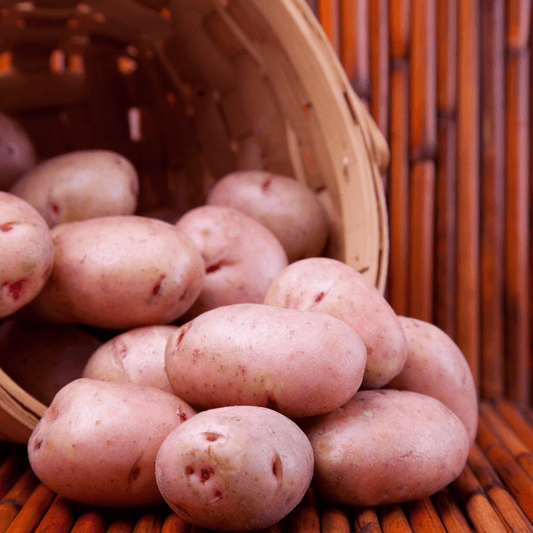
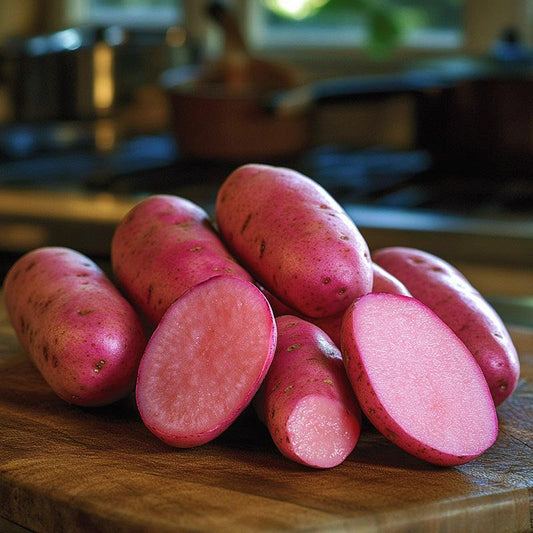
Red Norland and Red Pontiac are two of the most popular red potatoes grown in the United States. Both produce smooth red skin, creamy white flesh, and dependable harvests. They are great choices for home gardeners, but they are not exactly the same.

If you're comparing Red Norland potato vs Red Pontiac, this guide explains the difference between Red Norland and Red Pontiac potatoes, including harvest time, flavor, yield, storage, and disease resistance. By the end, you'll know which variety is the better fit for your garden.

Red Norland vs Red Pontiac Potatoes

Many gardeners search for Norland vs Red Pontiac potatoes because both are easy to grow.

Here is a simple comparison.

Feature
Red Norland  Red Pontiac
Days to Maturity 70 to 90 days 80 to 100 days
Season Early Mid-season
Skin
Bright red Dark red
Flesh
White flesh White flesh
Best use
Boiling, roasting, salads Baking, boiling, mashing
Storage
Fair Good

Both potato varieties produce excellent potatoes. The main difference is how quickly they mature and how well they store.

Days to Maturity

One of the biggest differences is harvest time. The Red Norland potato days to maturity are usually 70 to 90 days. That makes it one of the earliest red potatoes you can grow.

Many gardeners also ask, how long do Red Pontiac potatoes take to grow. Red Pontiac usually needs 80 to 100 days, so it stays in the garden longer before harvest.

If you live in an area with a short growing season, Red Norland is often the better choice because the potatoes are ready to harvest sooner.

Red Pontiac vs Norlander Potato Yields

Another common question is Red Pontiac vs. Norland potato yields, or Red Pontiac vs. Red Norland potatoes.

Both varieties produce good harvests, but Red Pontiac often has the higher yield because its longer growing season gives more time for potato growth. As a result, the red Pontiac potato yield is often higher than the red Norland potato yield.

  • A typical Red Norland potato yield is about 2 to 4 pounds of potatoes per plant under good growing conditions.
  • A typical Red Pontiac potato yield is about 3 to 5 pounds of potatoes per plant.

    The actual potatoes yield and potatoes produced will vary based on weather, soil, watering, and plant care.

For the best harvest:

  • Start with certified seed potatoes.
  • Mix organic matter into the soil.
  • Keep the soil evenly moist.
  • Hill soil around the stems as plants grow.
  • Maintain healthy potato plantings to support strong potato growth.

Healthy potato plantings typically produce more potatoes produced at harvest.

Red Pontiac Potato (Organic) Grow Organic

Flavor and Kitchen Uses

When comparing Red Norland vs Red Pontiac potatoes, both have moist, creamy white flesh, but they cook a little differently. Red Norland has a smooth texture and mild flavor. It stays firm after cooking, making it a great choice for potato salads, roasting, and boiling.

Red Pontiac has a richer potato flavor and becomes softer when cooked. It works well for mashed potatoes, soups, baking, and roasting. If you also grow Yukon Gold, you'll notice it has yellow flesh and a naturally buttery flavor.

Disease Resistance

Both potatoes grow well when given good care, but no potato is resistant to every disease.

Red Norland has moderate resistance to common problems such as scab and several potato viruses. Red Pontiac is also dependable but may be more likely to develop disease during long periods of wet weather.

To keep potatoes growing well:

  • Rotate crops every year.
  • Avoid planting potatoes in the same spot every season.
  • Water at the base of the plants.
  • Remove diseased leaves as soon as you see them.

Grow Organic's Potato Leaves Turning Yellow: Common Causes and Solutions, and Potato Blight: How Gardeners Can Stop It Before Spread offer more growing advice.

Determinate or Indeterminate?

Gardeners often ask, are Red Norland potatoes determinate or indeterminate?

They also ask are Red Pontiac potatoes determinate or indeterminate or search for Red Pontiac potatoes determinate or indeterminate.

The answer is that there is no universal agreement. Some gardening sources describe Red Norland as more determinate and Red Pontiac as more vigorous, while others do not classify potato varieties this way.

For home gardeners, days to maturity, healthy soil, and proper watering are much more useful than worrying about determinate or indeterminate growth.

Fall-Planted Organic Red Pontiac Seed Potatoes (lb) Grow Organic

Featured Product

If you're ready for growing potatoes, consider:

You can also explore Grow Organic's Seed Potatoes Collection to compare more potato varieties.

Helpful Grow Organic resources include:

Which Potato Should You Grow?

Choose Red Norland if you:

  • Want an early harvest.
  • Have a shorter growing season.
  • Like potatoes for salads and roasting.

Choose Red Pontiac if you:

  • Want a larger harvest.
  • Plan on storing potatoes after harvest.
  • Prefer potatoes for baking and mashing.

Both are excellent choices when you start with healthy potato seed and follow good planting potatoes practices.

Conclusion

The difference between Red Norland and Red Pontiac potatoes comes down to harvest time, yield, and storage.

Red Norland matures earlier and is perfect if you want fresh potatoes sooner. Red Pontiac takes a little longer but often produces more potatoes and stores longer.

No matter which variety you choose, healthy seed potatoes, good soil, and regular care will reward you with a successful harvest.


FAQs About Norland Potato vs Red Pontiac Potato

What is the difference between Norland and Red Pontiac potatoes?
Red Norland is an early-season potato that matures quickly, while Red Pontiac is a mid- to late-season variety with higher yield potential and longer storage life. Both have red skin and white flesh.
What are Red Pontiac potatoes best for?
Red Pontiac potatoes are excellent for baking, boiling, mashing, roasting, soups, and stews. Their creamy texture makes them a versatile all-purpose potato.
What are Norland potatoes best for?
Red Norland potatoes hold their shape well, making them ideal for boiling, roasting, and potato salads. They are especially popular as fresh "new potatoes."
Pontiac vs. Norland potatoes flavor comparison?
Red Norland has a mild, slightly sweet flavor and a firm, waxy texture. Red Pontiac has a mild potato flavor with a creamier, softer texture after cooking
Which potato stores longer?
Red Pontiac generally stores longer than Red Norland because it is harvested later and develops a more mature skin. Red Norland is best enjoyed relatively soon after harvest.
Which potato produces a larger harvest: Red Norland or Red Pontiac?
Red Pontiac potatoes are generally known for producing higher yields and larger tubers, making them a great choice if you want a plentiful harvest. Red Norland matures earlier and produces a more uniform crop, making it ideal for gardeners who value an early harvest over maximum yield.
Which potato stores longer after harvest?
Red Pontiac potatoes are the better choice for long-term storage. Their thicker skins and longer maturity help them keep well for several months when cured properly and stored in a cool, dark location. Red Norland potatoes are best enjoyed fresh since they have a shorter storage life.
Which variety is better for potato salad?
Both varieties make excellent potato salad, but they offer slightly different textures. Red Pontiac potatoes have firmer flesh that holds its shape well after boiling, while Red Norland potatoes have a smoother texture and should be cooked carefully to avoid becoming too soft.
Can I grow Red Norland and Red Pontiac potatoes together?
Both potatoes are excellent choices for new gardeners. If you want a quick harvest, Red Norland is a great introduction to growing potatoes because it matures early. If you're looking for dependable yields, longer storage, and versatile cooking, Red Pontiac is a reliable favorite for beginners.
Which potato performs better in warm climates?
Red Pontiac generally tolerates warmer weather and drier growing conditions better than Red Norland. Red Norland performs best in cooler climates and can be more sensitive to drought stress, making consistent watering especially important during the growing season.
Can I grow Red Norland or Red Pontiac potatoes in containers?
Yes. Both varieties grow well in large containers, grow bags, or raised beds with loose, well-drained soil. Containers should be at least 15 to 20 gallons in size and allow room for hilling as the plants grow. Container gardening is a great option for small spaces and makes harvesting easy.
Which potato matures first?
Red Norland is one of the earliest maturing red potato varieties, typically ready for harvest in 70 to 90 days. Red Pontiac generally takes 80 to 105 days, making it a better choice if you're willing to wait for larger tubers and higher yields.
Are Red Norland and Red Pontiac determinate or indeterminate potatoes?
Red Norland and Red Pontiac are generally considered determinate (early-season) potato varieties. Determinate potatoes produce most of their tubers in a single layer near the seed piece, making them well suited for traditional garden rows, raised beds, and containers. Unlike indeterminate varieties, they do not continue producing new layers of tubers as the stems are repeatedly hilled, so excessive hilling isn't necessary.
Which variety has better disease resistance?
Both Red Norland and Red Pontiac offer good garden performance, but disease resistance varies depending on local growing conditions. Red Norland is known for its vigor and early maturity, allowing it to avoid some late-season diseases. Red Pontiac is prized for its adaptability and dependable production, though like all potatoes, it benefits from crop rotation, proper spacing for airflow, and planting certified disease-free seed potatoes to reduce the risk of common potato diseases.
Can I save Red Norland and Red Pontiac seed potatoes for next year?
Yes. Healthy, disease-free tubers from both Red Norland and Red Pontiac can be saved for planting the following season. Select medium-sized potatoes from your healthiest plants, cure them properly, and store them in a cool, dark, well-ventilated location until planting time. Keep in mind that purchasing certified seed potatoes every few years helps reduce the buildup of viruses and other diseases.
Which variety is better for baking, roasting, or mashing?
Both varieties are versatile in the kitchen, but each has its strengths. Red Pontiac is excellent for baking, roasting, and potato salad because its firm, waxy flesh holds together well during cooking. Red Norland has a slightly creamier texture that works well for boiling, roasting, and light mashing. Since both are red potatoes with relatively low starch content, neither produces the fluffy texture of russet potatoes when mashed.
How far apart should Red Norland and Red Pontiac seed potatoes be planted?
Plant Red Norland and Red Pontiac seed potatoes 10 to 12 inches apart in rows spaced 30 to 36 inches apart. Place seed pieces about 4 to 6 inches deep in loose, well-drained soil. As the plants grow, hill soil around the stems to protect developing tubers from sunlight and encourage healthy production.
Which potato is better for short growing seasons?
Red Norland is the better choice for gardeners with short growing seasons because it matures earlier than Red Pontiac. Its quick development allows gardeners in northern climates or regions with shorter frost-free periods to harvest a full crop before the first fall frost. Red Pontiac's longer growing season makes it better suited to areas with an extended summer.
Can Red Norland and Red Pontiac potatoes be grown organically?
Absolutely. Both varieties perform well in organic gardens when grown in fertile, well-drained soil enriched with compost or aged manure. Rotating crops, using organic fertilizers, mulching to retain moisture, and monitoring for pests like Colorado potato beetles and aphids can help produce healthy, abundant harvests without synthetic chemicals.
Back to blog

Leave a comment

Please note, comments need to be approved before they are published.