Growing Tomatoes in Containers: Tips, Tricks & Common Mistakes
Growing tomatoes in containers is one of the easiest ways to get big harvests in a small space. You don’t need a raised bed, perfect garden soil, or a huge backyard. With the right pot, good sunlight, and steady watering, you can grow sweet cherry tomatoes on a balcony or harvest sauce tomatoes from a patio.
If you’ve been curious about tomatoes in pots but worried you’ll mess it up, you’re not alone. Container growing is beginner-friendly because you control the soil, the drainage, and where the plant sits during heat or storms. This guide walks you through what actually works for growing tomatoes in containers, from choosing the best variety to keeping fruit production steady all season.

Why Container Tomatoes Work So Well
When you grow tomatoes in a container, you get a few big advantages:
- Fewer weeds than garden beds
- Easier pest spotting and cleanup
- More control over soil quality
- Better drainage if your pot has the right setup
Container tomatoes also warm up faster in spring, which can help plants grow sooner. The tradeoff is that pots dry out faster, so watering matters more than it does in garden beds.
Choose the Right Variety of Tomato for Containers
Before you buy a pot, pick your variety of tomato. The plant size affects everything: container size, support, and how often you water.
Determinate and indeterminate: the container difference
Tomatoes fall into two main growth types: determinate and indeterminate.
- Determinate plants grow to a set size and often produce a big harvest over a shorter time.
- Indeterminate plants keep growing and producing until cold weather stops them.
For beginners, determinate types can feel easier because they stay more compact. Indeterminate tomatoes can still work in pots, but they need bigger containers and strong support.
Great container picks (from our seed list)
For cherry tomatoes, you’ll usually get the most fruit with the least effort. These are reliable in containers:
- Organic Everglades Cherry Tomato
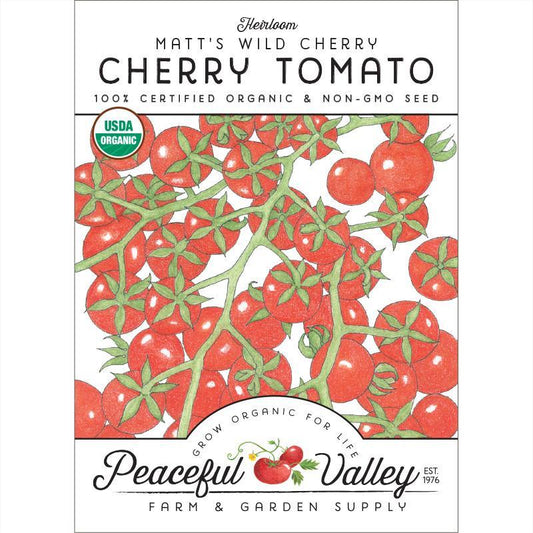
- Matt's Wild Cherry Tomato Seeds (organic)
- Sungold Cherry Tomato Seeds and Sungold Orange Cherry Tomato
- Sweetie Tomato Seeds (Organic)
- Sweet Million Cherry Tomato Seeds
- Gardener's Delight Tomato Seeds (Organic)
- Gardener's Sweetheart Cherry Tomato Seeds
- Black Cherry Tomato Seeds (Organic)
- Bumble Bee Cherry Tomato Mix Art Pack (Organic)
- Honey Drop Cherry Tomato Art Pack (Organic)
- Midnight Pear Cherry Tomato Seeds (Organic)
Want slicing and heirloom tomatoes in pots? You can do it, but plan for bigger containers:
- Cherokee Purple Tomato Seeds (Organic)
- Black Krim Tomato Seeds (Organic)
- Brandywine Tomato Seeds (Organic) and Brandywine Pink Tomato Seeds (Organic)
- German Johnson Tomato Seeds (Organic)
- Big Rainbow Tomato
- Green Zebra Tomato Seeds (Organic)
Paste tomatoes are also great if you want to cook and preserve:
- San Marzano Tomato Seeds (Organic)
- Roma VF Paste Tomato Seeds (Organic)
- Striped Roman Paste Tomato Seeds
- Paste Rosso Sicilian Tomato Seeds (Organic)

Containers for Growing Tomatoes: What Size Actually Works
A lot of beginner problems come from using a pot that’s too small. Tomatoes have a fast-growing root system, and cramped roots mean stressed plants and less fruit.
Here’s a simple guide:
- Cherry tomatoes: 5-gallon container minimum (bigger is better)
- Medium slicers: 7–10 gallons
- Large heirloom tomatoes: 10–15 gallons
Yes, growing tomatoes in buckets works, and growing tomatoes in a container can be as simple as a food-grade 5-gallon bucket.
If you’re planting tomatoes in buckets, drill or punch several holes in the bottom. Buckets must have multiple drainage holes, or roots will sit in water and rot. That standing water turns into excess water, and tomatoes hate it.
Grow bags vs pots
Grow bags are also great for container tomatoes because they breathe and drain well. They dry out faster than plastic pots, so you’ll water more often, but root health is usually excellent.
Tomato Container Planting: The Soil Setup That Makes the Difference
The number one rule for tomato container planting is this: do not dig up random garden dirt and put it in a pot.
Regular garden soil compacts in containers. It holds water too long, blocks oxygen, and slows root growth.
Instead, use a high-quality potting mix, then improve it:
- Mix in compost for nutrients and moisture balance
- Add a slow-release organic fertilizer (optional but helpful)
What do you put in the bottom of a tomato planter?
Many people want to add rocks or gravel. It sounds smart, but it doesn’t improve drainage the way most folks think. The real key is using a light potting mix and making sure there are enough drainage holes.
If you want to keep soil from washing out, place a small piece of screen or a coffee filter over the holes.

How to Plant Tomatoes in a Pot (Step-by-Step)
If you’ve ever asked how to plant tomatoes in a pot or how do you plant tomatoes in containers, this is the part that matters most.
1) Plant deeper than you think
Tomatoes can grow roots along their buried stems. When you’re planting tomatoes in containers, remove the lower leaves and bury the stem deeper than it was in the seedling pot. This helps build a stronger root system.
This is also the best answer to how to plant a tomato plant in a pot without it flopping over later.
2) Water in slowly
After planting, water until you see moisture coming out the bottom. That confirms your drainage holes are working.
3) Add support early
Don’t wait until the plant is huge. Install tomato cages or stakes at planting time. It prevents root damage later and keeps stems from snapping.

Sunlight: The Non-Negotiable for Growing Tomatoes in Pots
Tomatoes need sun like they need water. For strong growth and fruit production, aim for:
- 8+ hours of direct sun (best)
- 6 hours minimum (still workable)
If your plant looks healthy but won’t set fruit, low light is often the reason.
This is true whether you’re growing tomatoes in pots, tomatoes in a pot, or in garden beds.
Watering Tomatoes in Containers (Without Causing Stress)
If you want to know how do you grow tomato plants in pots successfully, watering is the real secret.
Tomatoes in containers dry out fast, especially in summer. But uneven watering causes stress, and stressed plants drop blossoms or develop problems like cracked fruit.
A simple watering rhythm
- Water in the morning when possible
- Check daily during heat
- Water deeply until it drains out the bottom
- Avoid shallow “sips” that only wet the surface
The goal is steady moisture, not soaking wet soil. Too much water can suffocate roots and invite disease.
If you travel or forget to water, bigger containers help buffer against stress.

Fertilizing Container Tomatoes for Steady Fruit Production
Container tomatoes burn through nutrients faster than plants in garden beds. Once they start flowering, they need regular feeding.
A simple plan for beginners:
- Start with compost-rich potting mix: Provides essential nutrients and helps retain moisture.
- Feed every 1–2 weeks with a balanced fertilizer: A balanced fertilizer contains similar amounts of nitrogen (N), phosphorus (P), and potassium (K)—for example, 10-10-10. Nitrogen supports healthy leaves, phosphorus helps flowers and roots, and potassium encourages strong fruit development. Using a balanced fertilizer ensures your container tomatoes get all the nutrients they need for steady fruit production.
- Watch for leafy plants with few fruits: If your tomato plants look very green but aren’t producing flowers or fruit, reduce nitrogen feeding. Too much nitrogen encourages leaf growth at the expense of fruit.
Healthy feeding supports both plant growth and fruit production through the full growing season.
Growth Habits: What to Expect During the Growing Season
During the growing season, you’ll see a pattern:
- Fast leafy growth after transplant
- Flower clusters appear
- Flowers turn into tiny green fruit
- Fruit grows, then ripens
This is where beginners sometimes panic. If plants grow but flowers fall off, heat stress or watering swings are often the cause.
Common Problems (And What to Look Out For Early)
Seedling issues
- Leggy seedlings: not enough light
- Purple leaves: often cold stress
- Slow growth: soil too cool or pot too small
Pests to watch
Tomatoes can attract aphids, whiteflies, and hornworms. Container plants are easier to inspect, which is a big advantage.
Blossom drop and low fruit set
If flowers fall off before fruit forms, the cause is usually:
- Heat above about 90°F during the day
- Cold nights below about 55°F
- Water stress
- Too much nitrogen
Root problems
If your pot doesn’t have enough drainage holes, roots can sit in excess water. Symptoms include yellowing leaves and sudden wilting even when soil looks wet.

Pruning and Training (Simple Version for Beginners)
You don’t have to prune, but it can help airflow and reduce disease, especially for indeterminate tomatoes.
A basic approach:
- Remove leaves touching the soil
- Keep the center of the plant open enough for airflow
- Use cages or stakes to keep stems upright
If you want a deeper guide later, our tomato pruning article is excellent, but for beginners, simple cleanup pruning is plenty.
Conclusion: Your Best Path to Success With Container Tomatoes
If you want grown tomatoes without a big yard, containers are a smart move. Start by visiting garden centers like Peaceful Valley Farm and Garden Supply to find the right tomato varieties for your space.
Focus on the basics: choose the right type of tomato, give it enough sun, use a quality potting mix, and water consistently. With these tips, even small home gardens can produce everything from sweet cherry tomatoes to large heirloom tomatoes right outside your door.
When you’re ready to pick varieties for your space, start with the organic tomato seeds collection. It’s the easiest way to match your container size and your taste.