Choose Heirloom Seeds for the Harvest You Want
A memorable garden starts with the flavors, colors, and harvests you want to enjoy. Perhaps you picture juicy tomatoes for fresh salads, beans for favorite family meals, colorful greens for everyday dishes, or herbs that bring more flavor to your cooking.
Heirloom seeds offer a variety of options to explore, each with its own characteristics and, in some cases, a documented history worth discovering. The key is to look beyond an appealing name or photograph and choose varieties that suit your tastes, garden space, and growing season.
Start by deciding what you want to harvest, then browse our seed collection for inspiration. Compare individual variety listings to find options that match your preferences and growing conditions. If heirloom status is important to you, check the information provided for each variety before ordering.
Start with the Harvest You Want
Think about the meals you enjoy and the harvest you want from your garden. Are you growing for fresh eating, everyday cooking, or sharing produce with family and friends? Starting with your intended use makes it easier to compare varieties and choose seeds that fit your needs.
- Fresh eating: Compare descriptions of flavor, texture, and the preferred harvest stage.
- Cooking: Look for stated culinary uses that suit your recipes, whether you plan to roast, sauté, simmer, or dry the harvest.
- Color and presentation: Consider contrasting leaf colors, fruit shapes, or edible plants that add visual interest to your garden.
- Family or cultural interest: Explore crops or named varieties connected to foods you value, then look for documented information about their history.
A tomato described for slicing is not automatically the best choice for every sauce or preserving recipe. Keep variety selection separate from food-preservation instructions and use an appropriate tested recipe when preserving your harvest.
Compare Flavor and Appearance
Use product descriptions to build a shortlist, then compare varieties within the same crop. Consider the flavor, texture, appearance, and culinary uses described for each selection.
Keep notes on what you enjoy after harvest. The heirloom label alone does not guarantee a particular flavor, texture, or growing performance, so your own experience can help guide future seed choices.
Read the Variety's Story Carefully
If history is part of the appeal, look for a named source, grower, community, or documented account. A nostalgic name can spark curiosity, but it does not prove a variety's age or origin. Keep the seller's description with your garden records so you can distinguish documented history from claims that still need verification.
Heirloom, organic, open-pollinated, hybrid, and non-GMO describe different seed attributes. Read our seed-label comparison guide to understand what each term means and decide which characteristics matter most to you.
Explore Different Crops
Once you have a shortlist, explore crops that complement your intended harvest. You might combine vegetables for everyday meals with herbs you regularly use in the kitchen, or choose plants with contrasting colors and shapes to create a visually interesting edible garden.
Browse our vegetable seed collection and herb seed collection to compare available options. If tomatoes are a priority, explore tomato seeds and look for varieties suited to your preferred culinary uses.
Check each individual listing for current availability, stated characteristics, and seed-type information before making your final selection.
Make Room for the Varieties You Choose
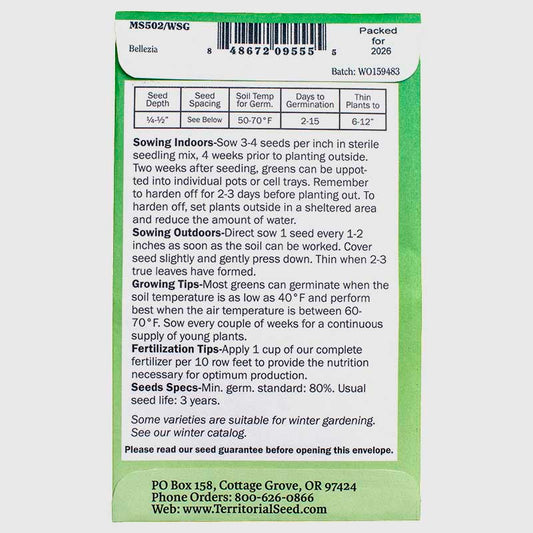
Before ordering, compare your shortlist with the space and growing conditions available in your garden. Check each variety's mature size, spacing requirements, support needs, and stated days to maturity. Consider your local climate, growing season, and available sunlight as well. A promising variety is more likely to thrive when its requirements match the conditions you can provide.
Our seed-packet guide explains how to interpret maturity and spacing information. Once you have chosen your varieties, visit the Seed Learning Center for crop-specific growing instructions and practical planting advice.
Before You Order: A Seed Selection Checklist
Find the Right Seeds for Your Garden
Choosing heirloom seeds is an opportunity to discover new flavors, explore interesting varieties, and grow food that suits your tastes and traditions. Start with what you want to harvest, compare your options carefully, and choose varieties that fit your garden and growing season.
Ready to get started? Explore our vegetable seed collection, herb seed collection, and tomato seed collection to find varieties that inspire your next garden.