

Apple trees do not need fertilizer simply because spring has arrived. The right program depends on rootstock, age, crop load, annual shoot growth, irrigation, soil conditions, and evidence of nutrient need.
For general application basics, watch How to Fertilize Fruit Trees. This page focuses on apple-specific decisions and supports Choosing the Right Apple Tree.

First decide whether the apple tree needs fertilizer
- Compare annual shoot growth with the tree’s age, rootstock, crop load, and pruning history.
- Inspect leaf color and canopy density without diagnosing from color alone.
- Check irrigation, drainage, root competition, trunk condition, and soil moisture.
- Review compost, manure, mulch, cover crops, and previous fertilizer.
- Use soil and properly timed tissue testing when results will change the plan.
Newly planted apple trees
Prioritize planting depth, root contact with native soil, and irrigation. Do not place concentrated fertilizer against bare roots or automatically push top growth during establishment. Follow Bare Root Tree Care and the product label.
Young nonbearing apple trees
The goal is steady framework development. Dwarfing rootstocks may require reliable irrigation and support, while vigorous rootstocks naturally produce more growth. Fertilize only when growth, testing, and site conditions indicate a need.
Mature bearing apple trees
Heavy crops remove nutrients but also reduce vegetative vigor. A light crop, severe pruning, or excessive irrigation can stimulate growth without added nitrogen. Evaluate both the crop and canopy before applying fertilizer.

Timing apple fertilizer
When nitrogen is needed, apply while roots are active and early enough for growth to mature before winter in cold climates. Avoid universal “early spring plus summer” schedules. Local climate, fertilizer release pattern, irrigation, and crop stage determine timing.
Choosing a fertilizer
Use the guaranteed analysis and label. A balanced number does not prove the soil needs all three nutrients. Phosphorus and potassium should not be added routinely when testing shows adequate levels. Account for nitrogen from organic amendments and irrigation water.
Where and how to apply
Apply through the irrigated active root zone, not in a pile at the trunk. Calculate product quantity from the label or a tested recommendation and the percentage of actual nutrient. Do not drill amendment holes through roots as a universal practice.
Signs to reduce or stop nitrogen
- Long, soft upright shoots and a dense shaded canopy
- Delayed hardening late in the season
- Strong vegetative growth after heavy pruning
- Tissue results and shoot growth indicating adequate supply

Apple selection and products
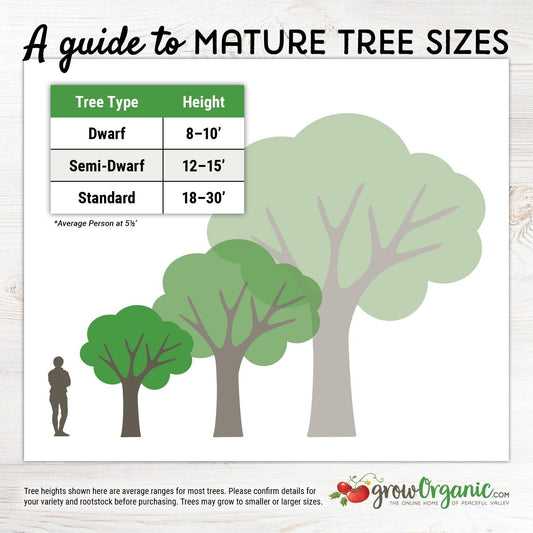
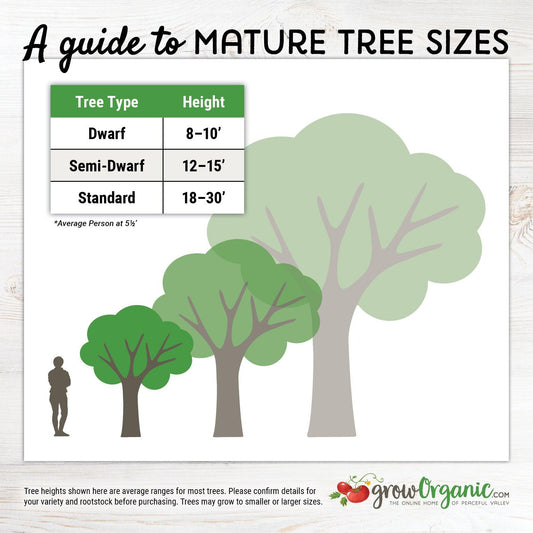
Rootstock affects vigor and nutrient response. Review Apple Tree Sizes and Rootstocks, browse apple trees, and shop fruit-tree fertilizers only after identifying a need.
Use Annual Shoot Growth as One Signal
Measure several representative shoots after growth has slowed and compare them with the tree’s age, rootstock, pruning, crop load, irrigation, and recent weather. Strong growth may indicate that additional nitrogen is unnecessary; weak growth is a reason to investigate, not proof of deficiency.
Coordinate Fertility With Orchard Management
Heavy pruning can stimulate vegetative regrowth, while a large crop can change nutrient demand. Irrigation determines whether roots can access nutrients and whether mobile nitrogen remains in the root zone. Make fertilizer decisions alongside thinning, pruning, mulch, weed competition, and water management.
Keep an Apple-Tree Fertility Record
- Tree age, cultivar, and rootstock
- Annual shoot-growth measurements
- Crop load and harvest observations
- Soil or tissue-test results
- Product analysis, amount, date, and placement
Use When and How to Fertilize Fruit Trees for the broader orchard framework and the Organic Fertilizer Guide to compare nutrient sources.
Related Fertilizer Guidance
Use this pillar as the primary guide for this fertilizer topic. Match the product analysis and labeled rate to the crop, soil conditions, and application method.



1 comment
thank you so much for your explanation. Clear, complete and practical