How to Plant Beets: Beet Spacing Tips to Avoid Crowded Tiny Beets
Beets are one of the easiest and most forgiving root crops to grow, yet spacing mistakes are the number one reason gardeners end up with tiny roots. If you have ever wondered how to plant beets, or more specifically how spacing affects yield, this guide is for you.
We will walk through planting beet seeds, soil prep, timing, and thinning so you can grow beets with confidence and enjoy a bigger, more reliable harvest.

Understanding Beets Before You Plant
Beets, known botanically as Beta vulgaris, are closely related to swiss chard. They are grown for both their flavorful roots and tender greens. Each beet seed is actually a cluster, which means several beet seedlings may sprout from one seed. This is why beet spacing and thinning matter so much.
Different varieties grow differently. Cylindra types grow long roots, while round types like Detroit Dark Red form classic globe-shaped beet roots. Knowing your beet variety helps you space plants correctly from the start.
When to Plant Beets
Gardeners often ask when to plant beets, when should you plant beets, or when do you plant beets. Beets prefer cool weather and steady moisture. Ideal soil temperatures range from 50 to 75°F.
You can sow beets as soon as the soil can be worked in spring. Fall planting also works well in many regions. If you are unsure when plant beets in your climate, this guide to seasonal beet cultivation strategies offers helpful timing tips.

Preparing the Soil for Beets
Beets prefer loose, well-drained soil rich in organic matter. Heavy clay soils should be loosened deeply so roots can expand evenly. Raised beds are especially helpful for improving drainage and spacing control. Avoid excess nitrogen, which encourages leafy growth at the expense of roots.
For deeper soil guidance, see these tips on maximizing beet yield through soil preparation.
How to Plant Beetroot Seeds
Planting Depth and Rows
If you are asking how do you plant beetroot or how to plant beetroot, the basics are simple. Plant planting beetroot seeds about ½ inch deep in rows spaced 12 inches apart. This applies whether you are planting beets seeds in ground beds or raised beds.
Beet Spacing at Planting
Initial spacing can be close because thinning comes later. Scatter seeds lightly, aiming for about 1 inch apart. Proper beets planting starts here, but the real work comes once seedlings appear.
Beet Spacing and Thinning for Bigger Roots
Correct beetroot spacing is the key to larger harvests. Once seedlings reach 2 to 3 inches tall, thin them so plants stand 3 to 4 inches apart. This final beetroot plant spacing gives each plant room to form full-sized roots.
If you are wondering how far apart to plant beets, the answer depends on size goals. Baby beets can be closer, but for mature roots, beets spacing of 3 to 4 inches is ideal. Planting too close forces competition for water and nutrients.

What Happens If Beets Are Too Close?
When spacing is ignored, beets grow slowly and stay small. Crowded plants compete underground, resulting in misshapen roots and poor yields.
This is the most common reason gardeners struggle to harvest beets that reach full size.
Choosing Beet Seeds for Success
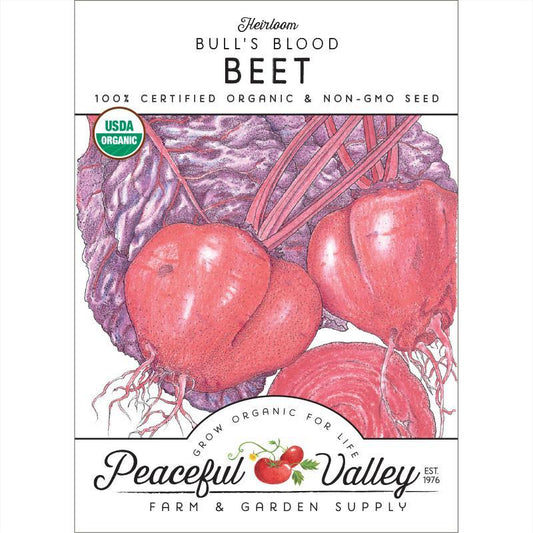
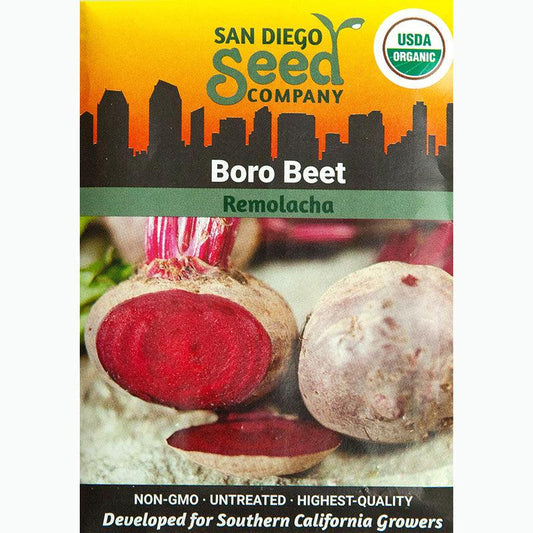
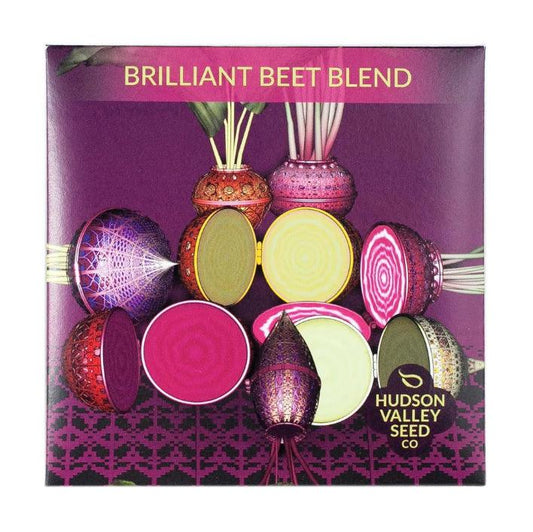
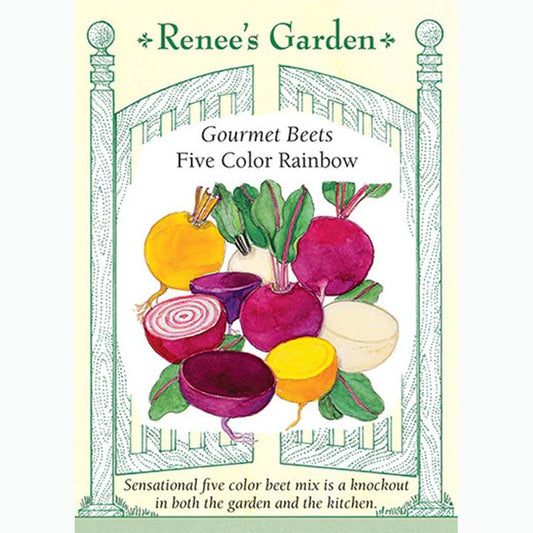
High-quality seeds make spacing efforts worthwhile. Explore our full beet seeds collection, including Touchstone Gold Beet Seeds, Bull’s Blood Beet Seeds (Organic), Organic Boro Beet Seeds, Cylindra Beet Seeds (Organic), Dutch Baby Ball Beet Seeds, and colorful mixes like the Organic Brilliant Beets Blend Art Pack and Five Color Rainbow Gourmet Beet Seed Mix.
Seed tins such as the Prepper’s Survival Collection and Grandma’s Root Cellar Collection include trusted varieties like red beet types and heirlooms suited for long storage.
If you enjoy variety, this guide to unique beet varieties to cultivate is worth exploring.
Care After Planting
Beets need steady moisture and benefit from mulch or a light row cover in early spring. Harvest greens early without damaging the crown, and allow roots to size up fully. For steady yields, use successive plantings every two to three weeks to create a continuous harvest.
Urban gardeners can find space-saving tips in this guide to growing beets in urban gardens. Companion plants also help, as explained in this overview of companion planting with beets.
Conclusion
Learning how to plant beets correctly comes down to timing, soil prep, and especially spacing.
With proper beet spacing, healthy soil, and thoughtful thinning, beets reward gardeners with reliable harvests and flexible planting windows. Give your beets room to grow, and they will do the rest.