Kale Recipes for Beginners: Easy Meals to Make With Fresh Garden Kale
A well-grown kale plant can provide a steady supply of fresh leaves, especially when you harvest the older outer leaves and leave the younger leaves to grow. So, what is kale good for? Beyond salads, fresh kale works well in pasta, soups, grain bowls, eggs, stir-fries, and other simple side dishes.
If you're new to cooking with kale, recipes using kale can be an easy way to make the most of your garden harvest. The best way to prepare kale depends on the recipe, as it can be enjoyed both raw and cooked. This guide focuses on simple, beginner-friendly kale recipes and skips kale chips, which we've covered separately.

Prepare Kale Before Cooking
Before making recipes with kale, wash the leaves thoroughly under running water to remove dirt and grit. Pat them dry, especially before sautéing. For mature kale, remove thick stems and ribs if you prefer a more tender texture, or chop them for soups, grain bowls, and stir-fries. Baby kale is harvested when its leaves and stems are small and tender, so it generally requires less trimming.
If you're searching for kale how to cook and prepare, you'll find that this cruciferous vegetable can be enjoyed both raw and cooked. Varieties such as curly kale have firmer leaves that may benefit from cooking or massaging before eating raw.
For kale salads, Oregon State University Extension recommends rubbing torn leaves together for about 3 to 5 minutes to soften their texture, although the time can vary depending on the variety and tenderness of the leaves.
Easy Kale Salad for Beginners
Learning how to make kale salad is a great place to start.
To prepare kale for a salad, place chopped leaves in a large bowl with a little extra-virgin olive oil, lemon juice, and a pinch of salt. Massage the leaves until they become darker and softer.
Then add simple toppings such as:
- Sunflower seeds
- Dried cranberries
- Chopped apple or pear
- Beans or chickpeas
- Crumbled or shaved cheese
- Red pepper flakes
This simple method works well with Lacinato kale and other mature varieties. The best kale salad doesn't need a long ingredient list.
So, can kale be eaten raw? Yes. Young, tender leaves can be eaten raw with little preparation, while mature leaves are often easier to eat when massaged, finely chopped, or cooked.

Quick Kale Dinner Ideas
If you're wondering how to cook with kale, think of it as a hearty leafy green that can be used in many of the same dishes as spinach.
For many kale recipes, it helps to wash the leaves, remove or chop any tough stems, and cut the leaves into bite-sized pieces before cooking.
Garlic Sautéed Kale
This is one of the quickest ways to turn fresh kale into a simple side dish.
- Remove the thick stems and chop the kale.
- Heat a little olive oil in a large skillet over medium heat.
- Add minced garlic and cook for about 30 seconds, just until fragrant.
- Add the kale with a small splash of water. Toss until the leaves begin to wilt.
- Cover for a few minutes if the leaves are especially mature or firm.
- Finish with lemon juice and sea salt to taste.
Serve alongside rice, beans, chicken, fish, or roasted vegetables.
Kale Pasta
Kale adds color and texture to an easy weeknight pasta.
- Cook your favorite pasta according to the package directions, reserving a little pasta water before draining.
- While the pasta cooks, sauté garlic in olive oil.
- Add chopped kale and cook until tender.
- Toss in the drained pasta, adding a splash of pasta water if the mixture seems dry.
- Finish with Parmesan cheese, black pepper, and a squeeze of lemon.
For a more filling meal, add white beans or chickpeas.
Kale and Eggs
Eggs are a useful option when you have only a small amount of kale left from the garden.
- Chop the kale into small pieces.
- Sauté it briefly in a skillet with a little oil until wilted.
- Pour in beaten eggs for a scramble, or add the cooked kale to an omelet or frittata.
- Season with salt and pepper, then add cheese, onions, or herbs if desired.
Cooking mature kale briefly before adding it to eggs helps soften the leaves and allows some excess moisture to evaporate.
Kale Soup
Kale works well in hearty soups because the leaves retain some texture during cooking.
- Start with a basic soup of onions, broth, and vegetables.
- Add beans, lentils, potatoes, or cooked grains for a more substantial meal.
- Remove the thick stems if you prefer a more tender texture, then roughly chop the leaves.
- Stir the kale into the soup during the final part of cooking.
- Simmer until the leaves are tender but still pleasantly textured.
Bean and vegetable soups are especially useful kale dinner ideas for meal prep, since they can be portioned and reheated for later meals.

Choosing Kale for Different Recipes
Different types of kale have slightly different textures.
Curly or Scotch kale has tightly ruffled, frilly leaves and a firmer, more fibrous texture. It can be eaten raw when young or massaged when mature, and it also works well in cooked dishes such as sautés and soups. Tuscan kale, also known as dinosaur kale or Lacinato, has long, dark leaves with a milder, slightly sweet flavor. Lacinato works well in raw kale salads as well as cooked dishes such as sautés and soups.
Red Russian is another tender option. Its mild flavor works especially well in fresh salads and lightly cooked meals.
Kale is a versatile leafy green that can be eaten raw or cooked and used in salads, soups, pastas, grain dishes, stir-fries, smoothies, and side dishes.
Kale Seeds to Grow for the Kitchen
Explore Grow Organic's Kale Seeds Collection for varieties suited to salads and cooked meals.
- Red Russian Kale Seeds (Organic) have tender, mild leaves that work well raw or lightly cooked.
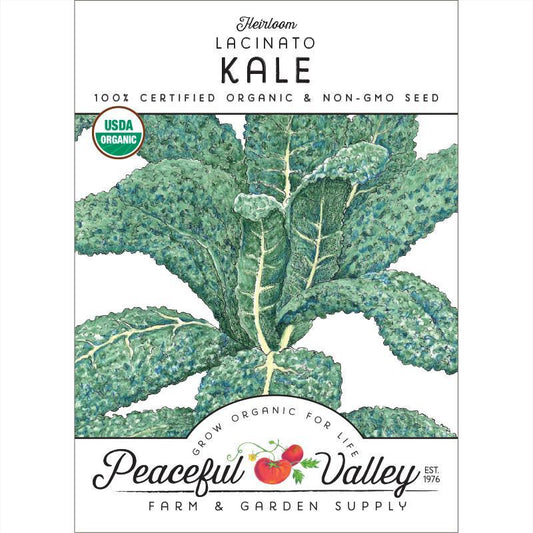
- Lacinato Kale Seeds (Organic) produce classic Tuscan-style leaves suited to salads, soups, and sautés.
- Curly Roja Kale Seeds (Organic) produce colorful curled leaves with a slightly sweet, earthy taste.
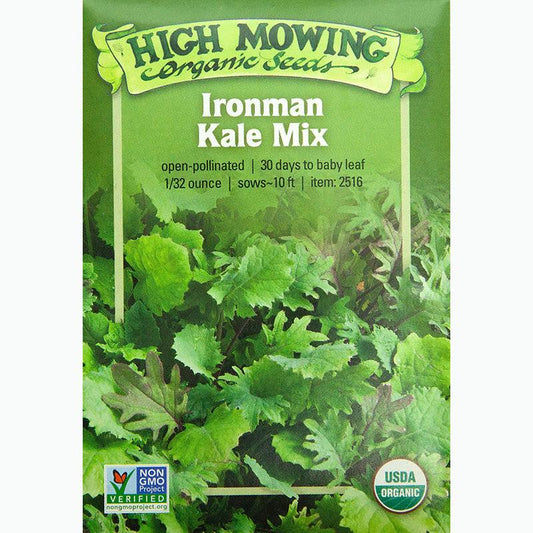
- Ironman Kale Mix Seeds (Organic) combines Lacinato, curly, and Red Russian kale for a range of leaf shapes, colors, and textures.
For more background, read Kale: The Superfood of the Garden, learn why Lacinato is called dinosaur kale, or compare kale with other greens in the Chard vs Kale vs Spinach guide.
Conclusion
Simple kale salads and cooked meals can start with fresh leaves and a few basic ingredients. Whether you prefer raw salads, pasta, soup, eggs, or sautéed greens, kale is flexible enough for beginner cooks.
Start with one simple recipe, learn which type of kale you enjoy, and make the most of your garden harvest.