Nectarine Season: Timing, Harvest, and Growing Tips

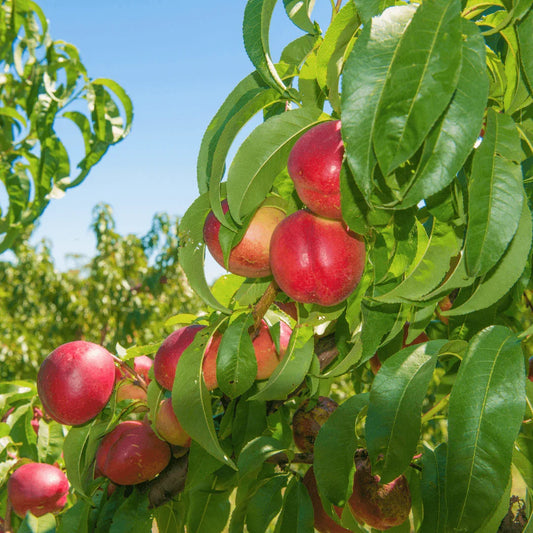
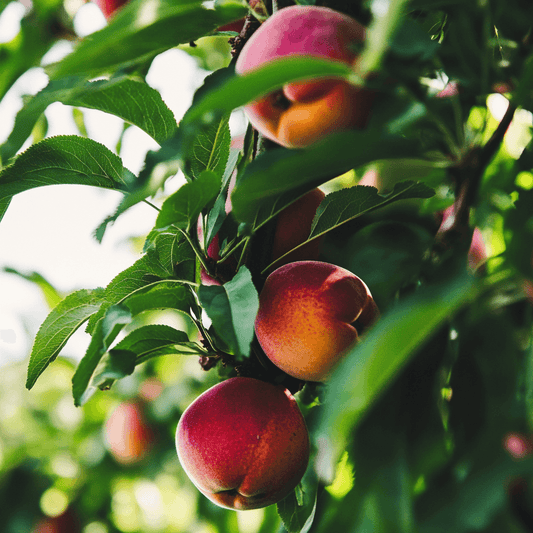
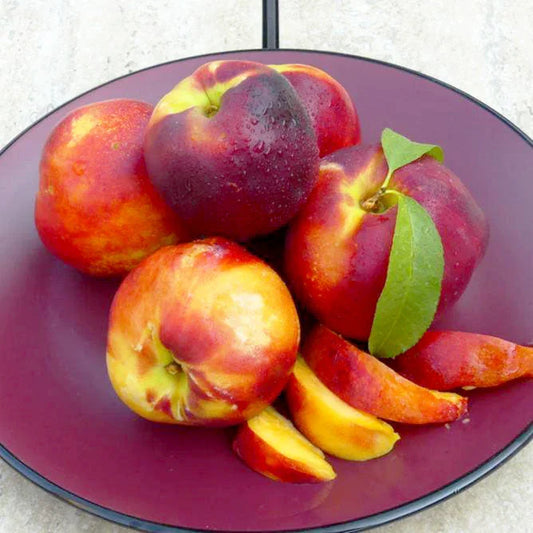
Sweet organic nectarines on tree in big garden

Nectarine Season: When Are Nectarines in Season and What That Means for Home Growers

If you’ve ever tasted a warm, juicy nectarine straight off the tree, you know timing matters. Understanding nectarine season helps home growers know when to expect fruit, how to plan care through the year, and when flavor is at its best. For beginner to intermediate gardeners, knowing when are nectarines in season is one of the most important steps toward a successful harvest.

This guide explains when is nectarine season, how it varies by region, and what it means for growing, harvesting, and enjoying nectarines at home.

Nectarine Flowers

What Is Nectarine Season?

Nectarines are a classic stone fruit, closely related to peaches, and their timing follows a familiar summer pattern. In general, nectarines in season appear in late spring and run through summer.

For most of the U.S., the main season for nectarines is June July and August. Early varieties ripen in June, midseason varieties peak in July, and late varieties carry into August and sometimes early September.

So, when do nectarines come in season? The answer depends on where you live and which variety you grow.

Nectarine Season in California

California leads the country in nectarine production, so many people ask, when are nectarines in season in California?

In most growing regions, nectarine season California begins in late May and extends through August. Warmer inland areas see earlier harvests, while coastal or higher-elevation regions start a bit later.

Because of this long window, California supplies nectarines to the grocery store and farmers markets for much of the summer. If you’re shopping locally, peak flavor usually comes mid-season, when fruit doesn’t need long-distance shipping.

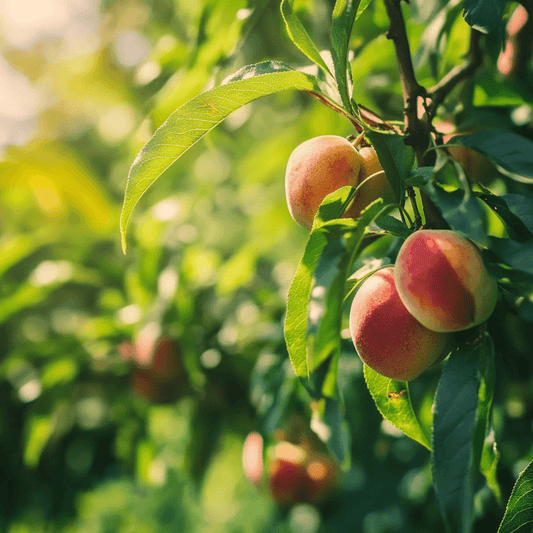
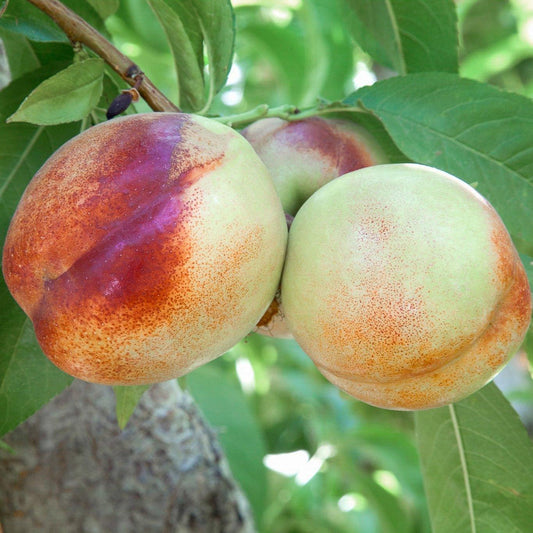
Sweet organic nectarines on tree in big garden

Why Nectarine Season Matters for Home Growers

Flavor and Texture

A ripe nectarine picked in its natural fruit season tastes completely different from one picked early for shipping. Tree-ripened nectarines have better sweetness, aroma, and juiciness.

Care Timing

Understanding nectarines season also helps with pruning, thinning, pest control, and irrigation. Nectarines need extra water and nutrients as fruit develops and begins to fully ripen.

For a full overview, this comprehensive guide to growing nectarines walks through the entire year step by step.

Popular Nectarine Varieties and Their Timing

Different varieties mature at slightly different times, which lets home growers stretch the harvest.

Good options include:

  • Snow Queen Nectarine Tree – an early to midseason, white fleshed variety
  • Fantasia Nectarine Tree – a reliable midseason yellow nectarine
  • Arctic Glo White Nectarine Tree – mid to late season with excellent flavor
  • Honey Kist Nectarine Tree – late season and very sweet

Gardeners with limited space might enjoy a White Peach/Nectarine, 3 on 1 Multi Grafted Fruit Tree, which spreads harvest across varieties.

You can explore more options in this collection of nectarine trees.

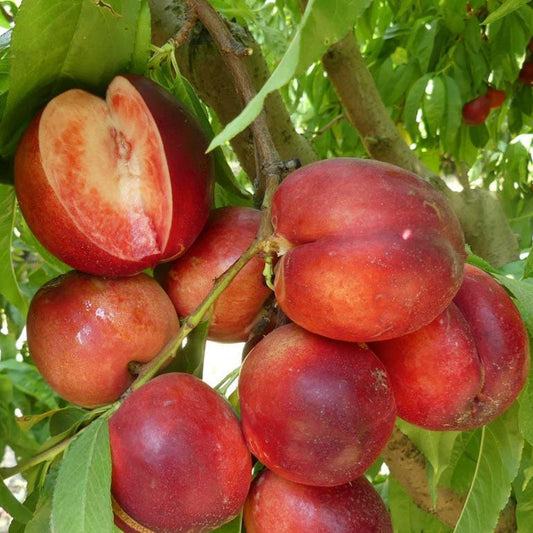
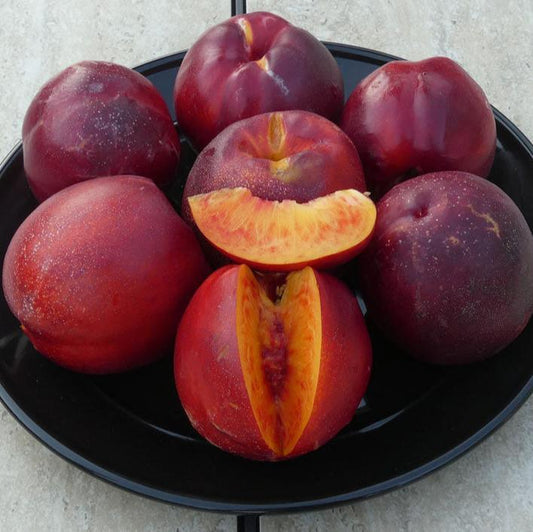
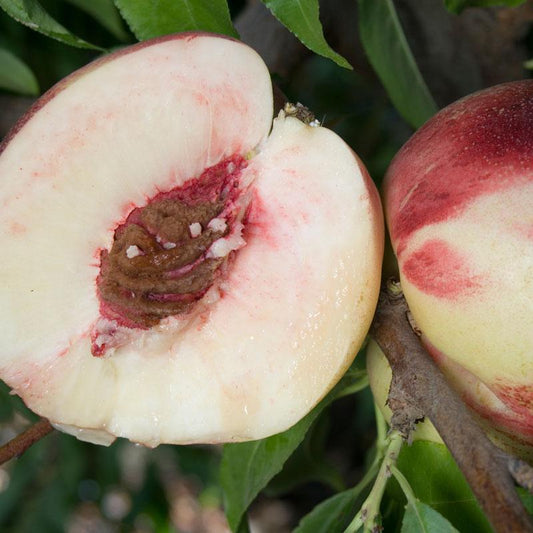
Close-up of Fresh Juicy Organic Nectarines

How to Tell When Nectarines Are Ready to Pick

Key Signs of Ripeness

Knowing when do nectarines come into season is only half the story. You also need to recognize ripeness on the tree.

Look for:

  • A shift in background color from green to yellow or creamy white
  • Even skin color with no green near the stem
  • Slight softness when gently squeezed
  • Strong, sweet aroma

Unlike peaches with fuzzy skin, nectarines have smooth skin, which makes color changes easier to see.

For best flavor, nectarines should fully ripen on the tree whenever possible.

Picking Nectarines at the Right Time

Best Harvest Practices

Picking nectarines too early leads to bland fruit. Too late, and they can bruise or split.

Pick in the morning when temperatures are cooler. Gently twist the fruit upward; a fully ripe nectarine should release easily.

For more detail, this guide on harvesting and post-harvest handling of nectarines explains how to protect flavor and shelf life.

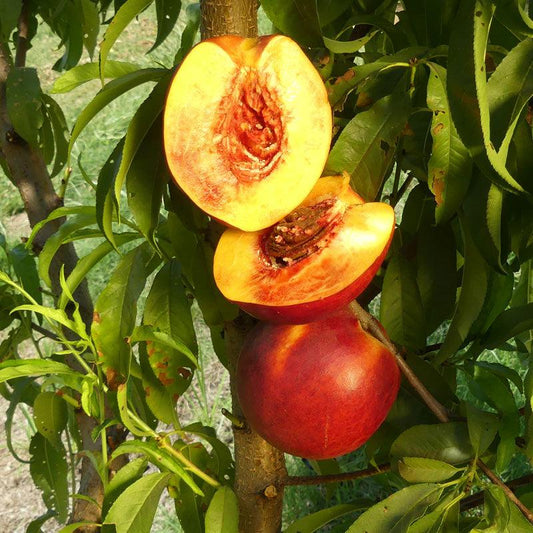
Nectarine fruit on a branch

Ripening Nectarines After Harvest

If fruit is picked slightly firm, nectarines can continue ripening off the tree.

  • Keep them at room temperature
  • Place them in a paper bag to trap natural ethylene gas
  • Check daily until soft and fragrant

Once ripe, refrigerate briefly to slow spoilage. Nectarines are amazing eaten fresh, grilled, baked, or even served with ice cream.

Seasonal Care Through the Year

Understanding when do nectarines come in season helps you plan care well before harvest.

  • Winter: pruning and dormant spraying
  • Spring: thinning fruit and monitoring pests
  • Summer: watering, sun protection, and harvest
  • Fall: cleanup and soil care

This article on seasonal care and maintenance of nectarine trees breaks it down clearly.

Pests and diseases can also peak during warm months, so review this resource on pest and disease management for nectarine trees.

Nectarines vs Peaches: Seasonal Overlap

Peaches and nectarines share similar bloom times and harvest windows. Both ripen in summer and often overlap at markets. The main difference is skin texture. Nectarines lack the fuzzy skin but otherwise follow similar seasonal patterns.

Conclusion

So, are nectarines in season all summer? In most places, yes. Nectarine season typically runs from June through August, with some regional variation. For home growers, understanding when are nectarines in season means better flavor, smarter care, and more rewarding harvests.

By choosing the right variety and timing your harvest carefully, you’ll enjoy nectarines at their peak instead of settling for fruit picked too early.

Understanding nectarine season makes all the difference between average fruit and unforgettable summer harvests.


FAQs About Nectarine Season

When are nectarines in season in California?
Late May through August, depending on region and variety.
When are nectarines in season?
Most areas see nectarines from June through August, though some regions may extend into early September.
What is the best month for nectarines?
July is usually peak season for sweetness and flavor.
Where are nectarines grown in the US?
Mainly California, but also in smaller quantities in Washington, South Carolina, and some parts of the Midwest.
What season do nectarines grow in?
They grow in summer, following spring bloom.
How many years does it take for a nectarine tree to produce fruit?
Usually 2 to 4 years after planting, depending on the variety and growing conditions.
Where do nectarines grow best?
In areas with full sun, well-drained soil, and moderate winters.
What month are nectarines ready to pick?
Most varieties ripen between June and August, with early varieties starting in late May and late varieties extending into early September.
Do nectarines continue to ripen off the tree?
Yes, especially when kept at room temperature.
What is the lifespan of a nectarine tree?
Typically 15 to 25 years with good care, though peak fruit production usually occurs in the first 10–15 years.
Back to blog

Leave a comment

Please note, comments need to be approved before they are published.