Oregon spring IPM starts by separating four problems that often look alike: pest feeding, disease, frost injury, and root-zone stress. West of the Cascades, cool moisture can sustain slug activity and long leaf-wetness periods. In the Cascades and high desert, late frost, drying wind, and transplant shock can damage tissue without any pest. Identify the pressure, measure its trend, and protect beneficial organisms before escalating.
Use the Oregon spring garden plan to coordinate scouting and thresholds with transplant timing, irrigation and drainage, and perennial spring care. The diagnostic steps below help separate pests and disease from frost, saturation, and hardening stress before you choose a response.
Diagnose before choosing a control
Inspect several plants, including healthy neighbors. Check both leaf surfaces, growing tips, stems at the soil line, crowns, roots where appropriate, and the soil or mulch beneath them. Record the pattern, recent weather, root-zone moisture, and whether new damage is increasing. A pest diagnosis needs the organism or characteristic evidence—not only a hole, spot, or wilted leaf.
| Evidence | Explanation to confirm | Key distinction | First response |
|---|---|---|---|
| Ragged holes, scraped surfaces, missing seedlings, slime | Slugs or snails | Scout at dusk or after dark; confirm slime, live animals, or fresh feeding rather than blaming every hole | Protect the most vulnerable starts, hand-remove where practical, and reduce immediate hiding places without stripping the soil bare |
| Clusters on tender tips, curled leaves, honeydew, cast skins | Aphids | Living insects are visible; also look for predators and swollen or discolored parasitized aphids | Mark colonies, use a firm water spray on sturdy plants where appropriate, and reassess the trend |
| Expanding spots, lesions, fuzzy growth, or collapse after damp weather | Foliar or root disease | The pattern follows susceptible tissue and moisture rather than visible feeding; laboratory or Extension help may be needed | Isolate affected material, improve airflow or watering practice, and confirm the diagnosis before using a disease product |
| Dark, water-soaked, collapsed, or distorted exposed tips after a cold night | Frost or chilling injury | Damage appears after the event on exposed tissue; pests are absent | Wait for the extent to become clear, maintain suitable—not saturated—moisture, and delay major pruning until regrowth is understood |
| Bleached or torn leaves, dry margins, leaning stems | Wind, sun, or hardening injury | Damage is strongest on the exposed side or after a rapid change in conditions | Reduce exposure gradually, secure safe shelter, and correct hardening rather than applying pesticide |
| Yellowing, wilt, or stalled growth in wet soil | Saturation, compaction, cold roots, or nutrient-uptake stress | Soil is wet below the surface and symptoms may follow a drainage pattern | Stop unnecessary irrigation, keep traffic off the bed, and correct water or structure before feeding |
| Gnawing, cut shoots, burrows, or missing seed | Rodents | Damage is larger than insect feeding and may follow edges or covered routes | Remove accessible food and cover, protect plants appropriately, and identify the species before choosing a legal control |
Let Oregon's spring divide change the plan
Oregon coast: Cool temperatures, wind, saturated pockets, and extended leaf wetness can slow plants while favoring slugs and some foliar problems. Improve spacing and airflow without over-clearing soil cover. Avoid enclosing plants in poorly ventilated protection. A wind-battered leaf can resemble feeding or disease, so compare exposed and sheltered sides.
Willamette and western valleys: Slug pressure and wet-soil stress can be high early, then a warm interval may accelerate aphids or transplant growth. Probe beneath a dry-looking surface before treating pale plants. Keep feet off plastic soil, direct irrigation to roots when needed, and look for predators before disrupting an aphid colony.
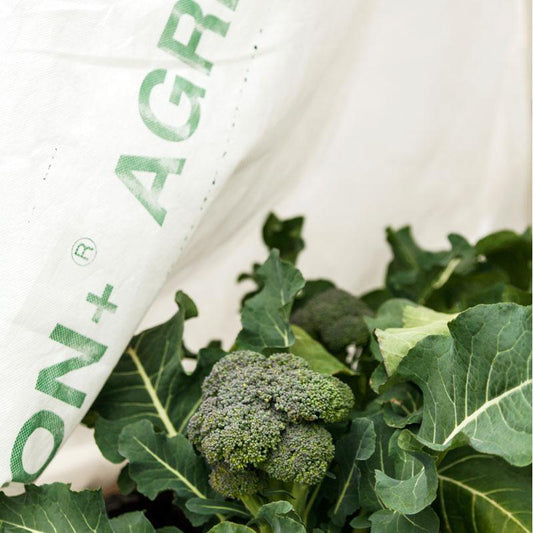
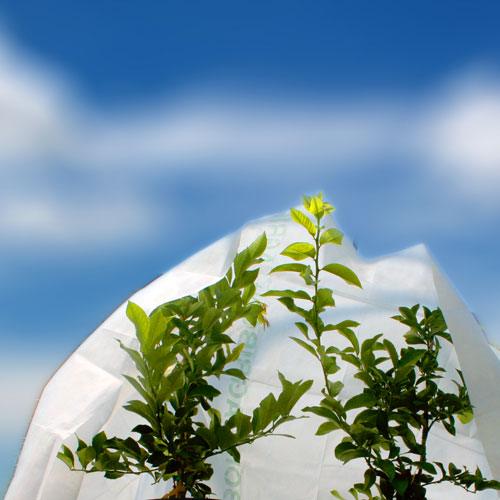
Cascade and high-elevation sites: Snowmelt, frozen depth, cold-air drainage, and a late frost can dominate the diagnosis. Compare upper and lower portions of the property and note which tissue was exposed. Temporary cover may reduce risk only when it is correctly supported, secured, ventilated, and managed; it does not guarantee protection.
Central and eastern high desert: Large day-night swings, intense light, wind, and limited water can make hardening and root-zone moisture the first questions. Mites, rodents, or grasshoppers may become relevant, but do not treat environmental injury as pest damage. Inspect beneath leaves and at the soil line and verify irrigation delivery.
Use an IPM escalation ladder
- Define what needs protection. A few holes in established kale are different from repeated loss of newly emerged seedlings. Identify the crop stage, affected part, and acceptable injury.
- Identify and measure. Mark representative leaves or plants. Record live pests, fresh injury, disease spread, beneficial activity, weather, and moisture. Reinspect under comparable conditions.
- Correct site stress. Repair a leak, drain a saturated bed safely, improve ventilation, finish hardening, reduce dust, or protect a transplant from wind. These actions can improve tolerance but do not prove the original diagnosis.
- Use cultural or physical tactics. Hand removal, barriers, traps, sanitation, rotation, collars, exclusion, or a water spray may be enough when matched to the problem. Do not trap pollinators inside covers or create unsafe heat.
- Protect beneficial organisms. Retain appropriate refuge and flowering resources while scouting them for pest shelter. Tolerate minor prey populations when plant function is not declining.
- Use a targeted biological or pesticide option only when evidence supports it. Match the organism or material to the pest, life stage, crop, site, and current label. Verify Oregon registration, destination eligibility, weather, release conditions, and compatibility with prior applications.
- Verify the result. Count live pests and new damage rather than expecting old symptoms to disappear. If the response fails, reconsider identification, timing, coverage, weather, resistance, and root stress before repeating it.
Use integrated pest management to identify the pressure, set a threshold, and choose the least-disruptive effective response. For practical methods, see slug management and low-tunnel frost protection.
Set thresholds from plant function and trend
A useful threshold is not one statewide pest count. It combines crop value and stage, the plant part at risk, the rate of new injury, the pest's confirmed life stage, natural-enemy activity, weather, and the cost or disruption of the response. A small seedling can lose function after damage that an established perennial tolerates. A stable aphid colony with active predators calls for a different decision than a rapidly expanding colony deforming every new shoot.
Mark a representative group and inspect it at comparable times. Count new holes, affected tips, or expanding lesions; note live organisms rather than old damage. If pressure stops increasing after a site correction or physical response, continued escalation may add cost and nontarget risk without benefit. If plant function continues to decline, confirm the diagnosis again before moving up the ladder.
Handle slug pressure without over-cleaning
Scout moist hiding places beside vulnerable plants, under containers, and along bed edges. Watering time, dense weeds, boards, crop residue, and low airflow can change activity, but residue also protects soil and habitat. Remove the most consequential refuge immediately beside seedlings while preserving cover elsewhere. Recheck fresh feeding after the change.
Hand removal, barriers, traps, or a labeled bait may fit different situations. Each has limitations: barriers can be breached, traps require service, and baits must be selected and placed according to the label. Do not describe a product as harmless to people, pets, wildlife, pollinators, or aquatic life. Follow all placement, crop, site, storage, disposal, and reapplication directions.
Separate early disease from moisture stress
Leaf spots and root problems require correct identification because different pathogens and noninfectious disorders can overlap. Photograph the pattern, retain label and treatment records, and seek OSU Extension or diagnostic-laboratory support when the result changes a consequential treatment. Avoid moving wet foliage or contaminated soil between beds.
Frost injury also needs patience. Damage may become clearer after the event, while immediate pruning can expose more tissue or remove material that still contributes to recovery. Maintain condition-appropriate moisture, monitor the local low point, and wait for reliable crop-specific guidance. A cover can reduce exposure only within its material and installation limits; wind, contact with foliage, poor sealing, or inadequate ventilation can change the outcome.
Improve drainage, spacing, irrigation placement, or sanitation only where each change addresses the confirmed problem. Removing every residue layer can expose soil, reduce organic matter, and remove predator refuge; leaving all diseased debris can preserve inoculum. Selective sanitation balances those risks. A disease-control product cannot correct cold, compaction, or saturated roots.
Build habitat with a scouting plan
Season-long flowers and less-disturbed refuge can support predators and parasitoids, but the plant choices must fit the site's water budget, space, and fire guidance. Do not claim that a plant is native without defining the geography and checking an authoritative flora. The Grow Organic guide to flowers for beneficial insects covers plant-selection depth.
Habitat can also shelter slugs, rodents, or other pests. Keep dense material away from vulnerable crowns and stems, inspect it regularly, and combine it with sanitation where disease biology supports removal. The intended outcomes—earlier diagnosis, fewer broad-spectrum interventions, and a better predator-prey balance—are mechanisms, not guarantees.
Choose a collection only after diagnosis
If monitoring supports intervention, compare Organic Pest Control options with the identified pest, crop, site, and label in hand. Where a living-control program fits, review Beneficial Insects and confirm current destination eligibility, temperature, release timing, and compatibility with anything already applied. For a confirmed disease—not frost or root stress—compare Organic Disease Control options only when the crop, disease, site, and label all match.
Organic labeling does not mean universally safe or appropriate. Follow every pesticide label and applicable regulation, protect pollinators and waterways as directed, and check current Online Store availability before purchase. A slug-specific product is not automatically the next step; the confirmed organism, crop, site, label, recent tactics, and observed trend still control the decision.
Keep a weekly evidence record
- Mark representative plants and photograph the same tissue.
- Record fresh feeding, live pests, disease spread, and beneficial activity.
- Note root-zone moisture, leaf wetness, frost, wind, rain, and heat changes.
- Record physical, cultural, biological, or pesticide actions and their timing.
- Reassess new injury and plant function before escalating.
Success does not mean an insect-free garden. It means important plants retain function, changing moisture and frost risks are correctly diagnosed, and broad intervention is reserved for evidence that justifies it.
Adapt pest management through Oregon's seasons
Use the summer IPM guide as heat, smoke, mites, and disease pressure change, the fall IPM guide as rain and cleanup alter pest habitat, and the winter IPM guide for slugs, rodents, storage, and dormant systems.
Gardeners near a regional boundary can compare Washington spring pest and frost pressure, cold-spring cutworm, flea beetle, slug, and frost risks, and Interior West spring IPM conditions. Apply only practices that match local soil, exposure, forecast, water, and crop response.