Washington spring IPM begins by separating pest damage from weather and root-zone stress. Ragged seedlings in a wet coastal bed may point toward slugs, while blackened or collapsed east-side growth after a cold night may be frost injury. Aphids, foliar disease, transplant shock, saturated roots, wind abrasion, sunscald, and nutrient problems can overlap. Identify the pressure, confirm that it is causing meaningful harm, and use the least-disruptive effective response.
Spring diagnosis begins by separating pest damage from weather, water, and transplant stress. Use the Washington spring garden plan to coordinate the response. The water guide can help when drainage or irrigation is driving symptoms, while the planting guide can help correct hardening or crop-timing problems. Prevention, diagnosis, action thresholds, and useful biodiversity are more reliable than a statewide spray schedule.
Start with a pest-versus-stress diagnostic table
| Pattern or sign | Possible causes | What to check next | First low-disruption action |
|---|---|---|---|
| Irregular holes, rasped tissue, missing seedlings, slime | Slugs or snails; sometimes chewing insects or physical damage | Inspect at dusk or dawn, under boards and dense wet cover; look for the organism and fresh evidence | Reduce hiding places immediately beside seedlings, protect transplants, hand-pick where practical, and monitor |
| Dark, water-soaked, or collapsed tissue after a cold night | Frost or freeze injury; possibly disease or stem damage | Compare exposed and sheltered plants, low spots and high spots, forecast observations, and symptom timing | Wait for the full extent to appear, protect remaining susceptible growth when conditions warrant, and avoid impulsive feeding or pruning |
| Uniform pale or bleached patches after outdoor transition | Sunscald, wind exposure, cold stress, or hardening failure | Review exposure history; compare shaded and windward foliage; inspect roots and stems | Moderate exposure, support recovery, and continue gradual hardening if the plant remains viable |
| Curled tips with clustered soft-bodied insects or sticky residue | Aphids, sometimes with ants; curling can also have non-insect causes | Unroll leaves, inspect growing points and undersides, note predators, and assess whether growth is impaired | Monitor a small colony with predators present; use a directed water stream where appropriate before escalating |
| Spots, lesions, mold, or blighted tissue in prolonged moisture | Foliar disease, cold injury, chemical injury, or physical damage | Examine symptom margins and distribution, leaf-wetness conditions, crop history, and institutional diagnostic resources | Remove severely affected material when sanitation is appropriate, improve airflow and watering practice, and obtain a diagnosis before treatment |
| Wilt with wet soil | Low root oxygen, root damage, disease, cold soil, or vascular injury | Check rooting depth moisture, drainage, stem base, roots, and whether the pattern follows a low spot | Stop unnecessary irrigation, protect the bed from traffic, and correct safe drainage causes |
| Wilt with dry, windy conditions east of the Cascades | Water deficit, transplant shock, root injury, wind desiccation, or cutworm damage | Inspect below the surface, check emitter delivery, root contact, stem base, and recent wind | Correct verified establishment-water or shelter problems; replace only after identifying recurring causes |
Possible causes are not diagnoses. Photograph the whole plant, close symptoms, soil surface, and distribution across the bed. Note weather, irrigation, crop stage, planting source, and recent inputs. A symptom that follows the lowest part of a bed suggests a different path from scattered plants beside hiding cover or damage limited to a windward edge.
Use an IPM escalation ladder
- Observe and identify. Confirm the plant, life stage, organism or stress pattern, and distribution. Use WSU Extension or another authoritative diagnostic source when uncertain.
- Decide whether action is needed. Consider crop stage, damage rate, population trend, expected weather, replacement options, and beneficial organisms. Presence alone does not always justify intervention.
- Correct the growing condition. Address saturated soil, failed irrigation, hardening, airflow, sanitation, plant spacing, or physical shelter when it is contributing to harm.
- Use physical or mechanical tactics. Barriers, hand removal, pruning of appropriate diseased material, traps used for monitoring, and a directed water stream may fit particular problems.
- Use biological tactics when the match is sound. Protect resident predators and parasitoids; introduce a beneficial organism only when its prey, temperature, release conditions, and instructions fit.
- Consider a labeled pesticide last. Select the narrowest effective option for the identified pest, crop, and site. Follow the entire label and applicable Washington regulations, including timing, personal protection, pollinator precautions, preharvest interval, and disposal.
- Verify the result. Recount, recheck new growth, and record weather and crop response. Do not repeat treatment automatically.
The organic integrated pest management guide explains how to move from identification to the least-disruptive effective response. In Washington spring, begin by checking the subregion, recent weather, root-zone condition, and crop stage.
Separate western moisture pressure from eastern exposure stress
Olympic Peninsula and coast
Persistent moisture, mild periods, wind, and dense cover can create favorable slug habitat and extend leaf wetness. Scout small seedlings at the times slugs are active, inspect protected edges, and keep useful soil cover without packing wet material against vulnerable stems. Improve airflow through appropriate spacing and selective sanitation, but do not strip soil bare. Wind damage and salt exposure in some coastal settings can also mimic biological injury.
Puget Sound lowlands
Shaded glacial-till beds and compacted urban soils can stay cold and wet while nearby raised beds warm. Compare bed states rather than diagnosing the whole garden at once. Slugs may remove emerging seedlings, aphids may colonize tender protected growth, and foliar symptoms may follow prolonged moisture. Check roots and drainage before treating yellow or wilted foliage.
Cascade and high-elevation sites
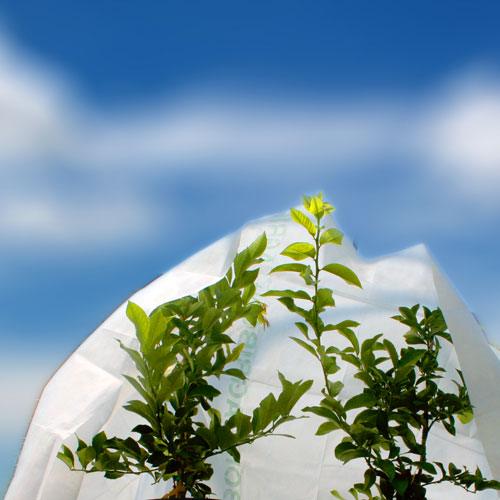
Late thaw, cold-air drainage, and abrupt temperature changes make frost and root-zone stress prominent diagnostic candidates. Surface thaw over frozen subsoil can hold water around roots. Protection can moderate exposure but must be secured and vented, and it cannot guarantee survival. The frost and low-tunnel guide explains setup and management.
Columbia Basin and eastern Washington
Late frost, strong sun, drying wind, and irrigation startup faults can produce injury that resembles pest or nutrient problems. Check emitter output, soil moisture below the surface, stem bases, and whether injury follows exposure. As conditions turn warmer and drier, monitor aphids and mites, but verify the organism before responding. Dust and plant stress can alter pest dynamics; they do not make an outbreak inevitable.
Manage slugs without treating every hole
Confirm active slugs or fresh evidence and assess risk to the crop. A few holes on established foliage may not matter; repeated loss of germinating rows may cross a practical threshold. Reduce dense wet refuges immediately beside seedlings, improve watering timing where irrigation contributes, remove boards or debris that serve no useful purpose, and hand-pick when feasible. Traps can help monitor but require maintenance and interpretation.
The slug management guide covers tactic detail. If nonchemical steps are insufficient, compare labeled options in Slug Baits, Repellent & Treatment. Read the current label before purchase and use; “organic” does not mean harmless to people, pets, wildlife, or beneficial organisms, and products differ in allowed sites and precautions.
Respond carefully to frost stress
After a cold event, do not assume darkened, translucent, wilted, or collapsed tissue is a pathogen. Compare the timing and exposure pattern, then allow damage to declare itself when the plant is not creating a sanitation hazard. Avoid heavy fertilization intended to force recovery. New growth depends on the species, injury, root condition, and subsequent weather; recovery cannot be guaranteed.
Before the next risk period, use local forecasts and observe frost pockets. Harden transplants, water only according to root-zone need, and install suitable protection early enough to secure it. Remove or vent covers as conditions require. A cover touching foliage, opening in wind, or trapping excess heat can create new injury.
Protect beneficial organisms while managing aphids
Inspect aphid colonies for predators, parasitoid mummies, and active plant decline. On sturdy plants, a directed water stream can dislodge aphids when leaf disease risk and soil conditions make that tactic appropriate. Prune only when removal benefits the plant and does not spread a suspected disease. Avoid broad-spectrum treatment when a small, stable colony is already supporting beneficial activity.
Functional habitat can provide nectar, pollen, shelter, and season-long resources, but plant choice and bloom timing matter and habitat can also shelter pests. The guide to flowers for beneficial insects offers planning depth. Browse Beneficial Insects only when a specific organism, prey, release environment, shipping window, and instructions fit the current problem.
Choose any product only after the diagnosis
If a verified threshold still requires intervention, browse Organic Pest Control by the identified pest, crop, use site, and tactic. Do not select by a broad safety claim or assume certification covers every use. Check the current label, active ingredient, application conditions, resistance-management guidance where applicable, regional shipping limits, and effects on pollinators and aquatic environments.
Disease products are not a substitute for diagnosis. Some must be applied preventively and have crop, pathogen, temperature, or timing limits. Contact WSU Extension or an appropriate diagnostic service when symptoms are consequential, unusual, spreading, or uncertain.
Sanitation should also be targeted. Remove confirmed diseased tissue or infested material when doing so is recommended and can be completed without spreading the problem. Clean tools between affected plants when the diagnosis warrants it, and dispose of material according to local guidance. Retain healthy residue, living roots, and habitat where they serve a defined function; “clean garden” should not mean exposed soil or removal of every overwintering site.
Rotation can reduce repeated exposure to some crop-specific problems, but it is not a universal prevention measure, especially where pathogens, insects, or weeds have broad host ranges or move from outside the bed. Pair rotation with identification, resistant varieties where appropriate, clean planting stock, site fit, and ongoing scouting.
Close the scouting loop
- Map affected and unaffected plants across the four exposure types.
- Check roots, stems, leaf surfaces, hiding sites, and actual organisms.
- Record temperature, rain, wind, irrigation, covers, and transplant history.
- Compare damage rate with crop stage and replacement options.
- Correct contributing site conditions before escalating.
- Protect predators, parasitoids, pollinators, soil cover, and clean water.
- Follow all labels and applicable rules for any treatment.
- Return on a defined observation trigger and measure the result.
The safest spring IPM plan is diagnostic and reversible. In western Washington, that often means tracing moisture, slugs, and leaf wetness; east of the Cascades, it often means checking frost, wind, sun, and irrigation before blaming a pest. Let evidence determine the next rung of the ladder.
Keep scouting as spring conditions change
Use the Washington fall IPM guide to prepare for slugs and rodents, the winter IPM guide to diagnose storage and dormant-season problems, and the summer IPM guide to separate heat, smoke, mite, and disease injury.
If your site behaves more like a neighboring region, compare Oregon spring IPM guidance, cold-climate spring IPM guidance, and Rockies spring IPM guidance. Use only the advice that fits your soil, exposure, forecast, water, crops, and pest evidence.