Radish Companion Plants: The Best and Worst Companion Plants for Pest Control and Healthy Growth
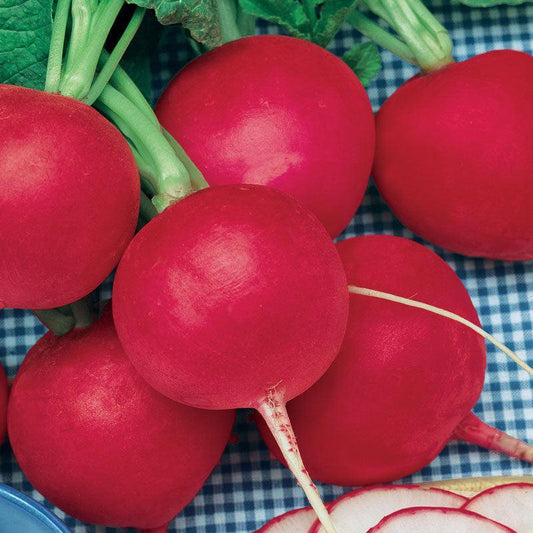
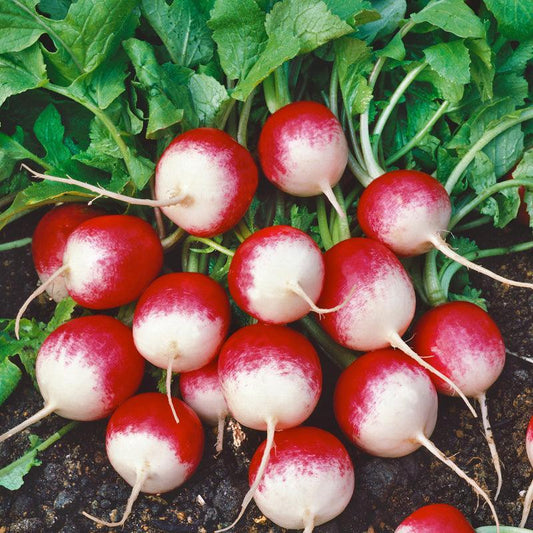
Radishes (Raphanus sativus) are one of the easiest vegetables for beginners to grow. They are fast growing, thrive in cool weather, and are often ready to harvest within three to five weeks. Because radishes grow quickly, they fit well into small garden spaces and can be planted between slower crops.
One way to improve a vegetable garden is through companion planting with radishes. This practice involves growing compatible plants together to encourage healthier growth, better use of space, and increased biodiversity. The benefits of companion planting include attracting beneficial insects, supporting natural pest management, and helping plants thrive under similar growing conditions.
This guide covers the best radish companion plants, companion plants for radishes, and what not to plant with radishes.

Why Companion Planting Works
Companion planting radish involves placing vegetables, herbs, and flowers together so they can support one another. While companion planting is not a guaranteed solution for every pest or disease problem, it works best alongside healthy soil, crop rotation, proper watering, and good garden care.
Because radishes mature quickly, they are useful marker crops. When you sow radish seeds, they sprout quickly and show where slower-growing crops have been planted.
Some gardeners also use radishes as trap crops. In certain situations, radishes may attract pests such as flea beetles away from crops like arugula or bok choy. However, results vary depending on the pest, location, and growing conditions.
Best Radish Companion Plants
Choosing the right companion plants to grow with radishes helps create a productive and balanced garden.
Leafy Greens
Lettuce, spinach, and Swiss chard are excellent companion plants for radishes because they prefer similar conditions and cool weather. Their shallow root systems allow them to grow alongside radishes without heavy competition.
These crops make a good companion group because they can share space efficiently while allowing each plant to develop properly.
Carrots
Carrots are one of the classic radishes companion plants. Many gardeners sow carrots and radishes together because radishes sprout quickly and mark the planting row.
As radishes mature, they loosen the soil and are harvested before carrots need more room. This makes carrots and radishes an effective example of companion planting radishes.
Peas
Peas are another useful radish companion plant. Like other legumes, peas fix nitrogen through beneficial soil bacteria. While radishes do not require large amounts of nitrogen, peas and radishes have different growth habits, allowing them to share garden space.
Peas grow upward while radishes develop underground, making them a practical pairing.
Cucumbers
Many gardeners practice companion planting for radishes near cucumbers because radishes mature before cucumber vines spread.
Some gardeners believe radishes help discourage cucumber beetles, but research is mixed. Radishes should be considered one part of an overall pest management plan rather than a guaranteed solution.
Herbs and Flowers
Dill, cilantro, and chives can attract beneficial insects that help support garden health. Flowering herbs increase biodiversity and encourage pollinator activity.
Nasturtiums are commonly used as trap crops because they can attract aphids away from other vegetables. Marigolds also add diversity and support beneficial insect populations.

Tips for Growing Radishes With Companion Plants
Successful radishes companion planting starts with basic growing practices:
- Plant radishes in loose, well-drained soil.
- Sow radish seeds about ½ inch deep.
- Keep soil consistently moist.
- Thin seedlings so roots have enough space.
- Harvest when roots reach the expected size.
- Rotate crops to reduce disease problems.
Because radishes are easy to grow, they work well for succession planting. During spring or fall, gardeners can plant new crops every one to two weeks to extend the growing season.
What Not to Plant With Radishes
Knowing what not to plant with radishes is just as important as choosing good neighbors. Some plants compete for nutrients, attract similar pests, or have different growing requirements.
Potatoes
If you are wondering what not to plant radishes with, potatoes are a crop to avoid. Both develop underground, and potatoes are heavy feeders that require more nutrients and space.
Hyssop
Hyssop is often listed as a poor companion for radishes. Although scientific evidence is limited, many gardeners avoid planting it nearby to prevent possible growth problems.
Turnips
Turnips and radishes belong to the same Brassicaceae family. Growing them together may increase competition and attract similar pests, including flea beetles.
Large Brassicas
When deciding what not to plant next to radishes or what not to plant near radishes, consider large brassica crops such as mature cabbage, broccoli, and cauliflower.
These plants become heavy feeders as they grow and may compete with smaller radishes for water, nutrients, and sunlight. Young brassicas can share space temporarily because radishes mature quickly, but long-term crowding may reduce growth.

Harvesting Radishes
One reason growing radishes is so rewarding is their quick harvest.
Most spring varieties are ready in about 25–35 days, while larger winter types like daikon take longer. Harvest when the root reaches the expected size, feels firm, and looks healthy above the soil line.
Avoid leaving radishes in the ground too long, as older roots may become woody or overly spicy.
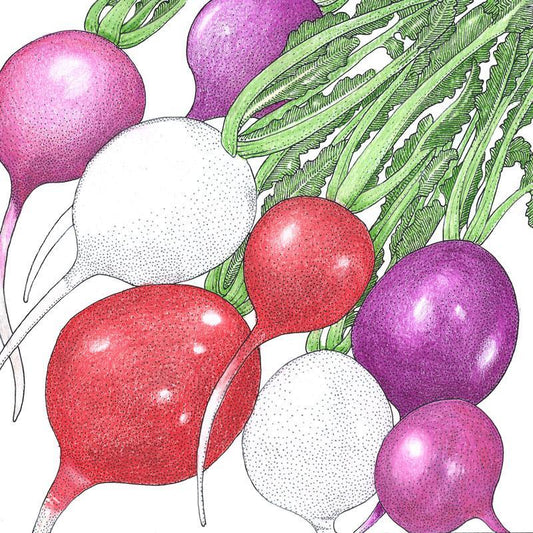
Featured Grow Organic Radish Seeds
Whether you're new to growing radishes or looking to expand your garden, Grow Organic offers several excellent varieties.
- Explore the Radish Seeds Collection to find varieties for spring, fall, and specialty gardens.
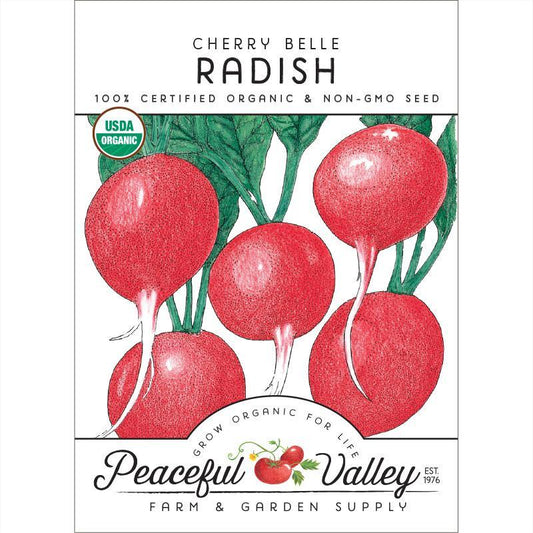
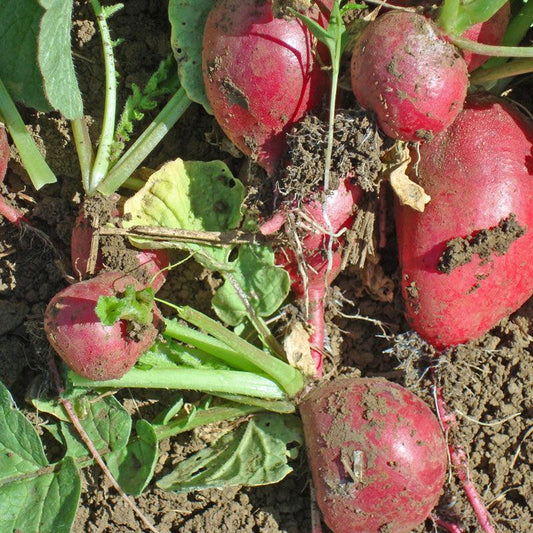
- Cherry Belle Radish Seeds (Organic) are a classic choice for beginners thanks to their fast growth and crisp, mild flavor.
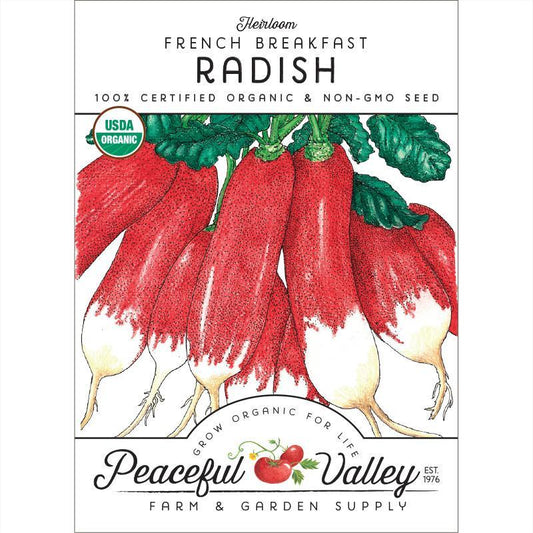
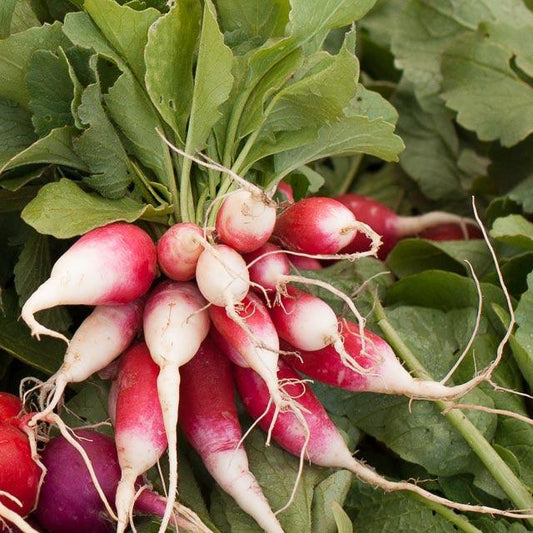
- French Breakfast Radish Seeds (Organic) produce slender roots that are perfect for fresh eating.
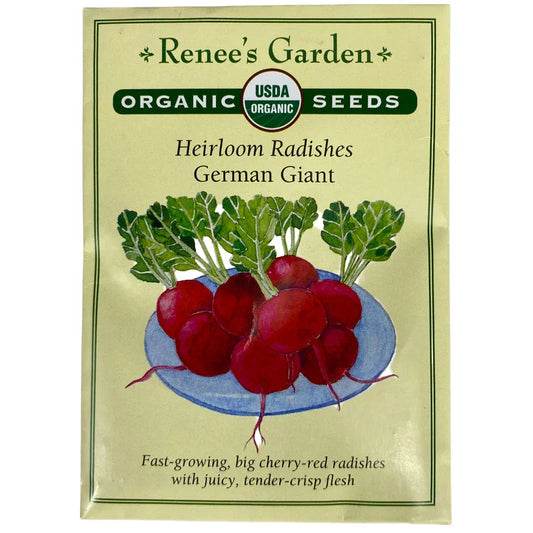
- Organic German Giant Radish grows larger than many traditional varieties while maintaining a mild taste if harvested on time.
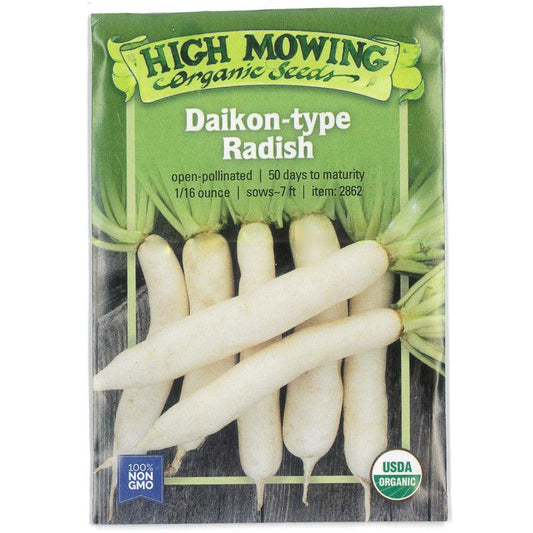
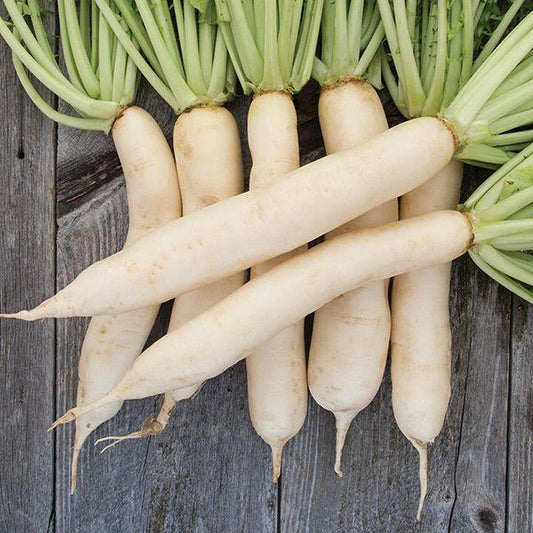
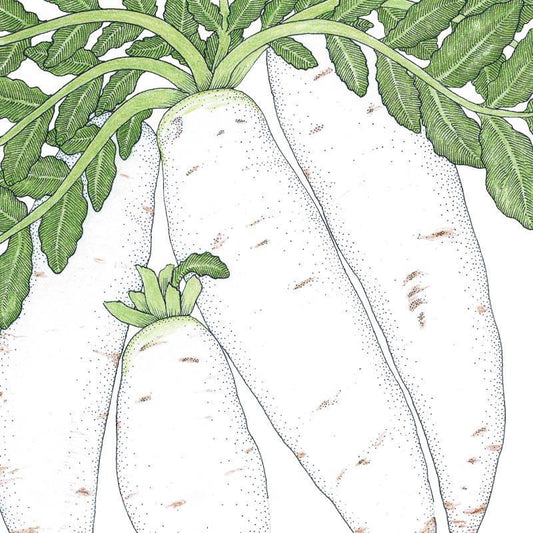
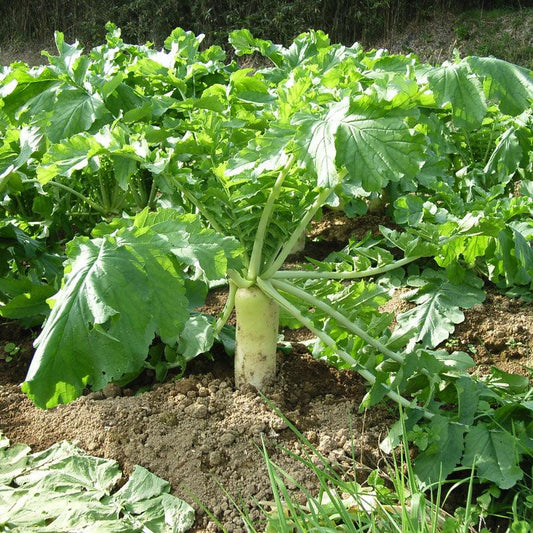
- Daikon Radish Seeds (Organic) are excellent if you want large roots for cooking or soil improvement. You can also learn more about using daikon in the Cover Crop Daikon Radish video.
For additional growing advice, read Radishes 101 or watch the Growing Radishes video for step-by-step planting tips.
Conclusion
Choosing the right radish companion plants can help create a healthier and more productive vegetable garden. Pairing radishes with lettuce, spinach, carrots, peas, herbs, and flowers allows different crops to use space efficiently and support biodiversity. Understanding what should not be planted with radishes also helps prevent unnecessary competition and pest problems.
Whether you are trying companion planting with radishes for the first time or improving an established garden, selecting the right companion plant for radish crops can help your plants thrive throughout the growing season.