Spacing for Elephant Garlic: Planting Distance Guide

Vibrant garlic plants growing under a clear sky

Planting Elephant Garlic: Spacing Mistakes That Can Reduce Bulb Size

Elephant garlic is famous for producing huge bulbs and large, easy-to-peel cloves. Although it looks similar to regular garlic, it is actually elephant garlic allium ampeloprasum, a relative of the leek family. Because the plants grow much larger than standard garlic, proper spacing is one of the most important steps for success.

Whether you're learning how to plant elephant garlic for the first time or looking to improve your harvest, understanding spacing, planting depth, and row layout can help you grow healthier plants and larger bulbs.

Planting Garlic

Why Elephant Garlic Spacing Matters

Many gardeners focus on watering and fertilizing but overlook elephant garlic spacing.

As elephant garlic grows, the roots and bulbs need room to expand. Crowded plants compete for water, sunlight, and nutrients, often producing smaller bulbs. Good spacing also improves airflow, which helps reduce some common pests and diseases.

Proper spacing for elephant garlic can make the difference between average bulbs and impressive harvests.

When to Plant Elephant Garlic

One of the most common questions is when to plant elephant garlic.

The best time to plant elephant garlic is usually in fall, about four to six weeks before the ground freezes. Fall planting allows roots to develop before winter and often results in larger bulbs the following summer.

If you're wondering when should you plant elephant garlic, fall is generally recommended in most growing regions.

farmer's hand is planting garlic in the vegetable garden

How to Plant Elephant Garlic

Many gardeners ask, how do you plant elephant garlic correctly?

Start by selecting healthy elephant garlic bulbs to plant. Separate the bulb into individual elephant garlic cloves just before planting.

Whether you're buying elephant garlic bulbs for planting, saving your own elephant garlic for planting, or choosing an elephant garlic bulb from a previous harvest, always select the largest and healthiest cloves.


Planting Steps

  1. Choose a site in full sun.
  2. Add compost or other organic matter to the soil.
  3. Separate the bulb into cloves.
  4. Planting elephant garlic bulbs should always be done with the pointed end facing upward.
  5. Water thoroughly after planting.

Good soil preparation is one of the most important parts of successful elephant garlic planting.

How Deep to Plant Elephant Garlic

A common question is how deep to plant elephant garlic. Plant cloves about 4 to 6 inches deep, measured from the top of the clove to the soil surface. This helps protect cloves during winter and supports healthy root growth.

Elephant Garlic Planting Distance

The correct elephant garlic planting distance gives plants enough room to develop large bulbs.

Spacing Between Plants

Most gardeners should space cloves 8 to 12 inches apart. If you're wondering how far apart to plant elephant garlic, this range allows bulbs to grow to their full size while maintaining good airflow.

Proper spacing elephant garlic reduces competition and encourages stronger growth.

Spacing Between Rows

Leave 18 to 24 inches between rows. This elephant garlic planting spacing provides room for weeding, watering, and harvesting.

Garden Spacing Guide

Planting Area
Recommended Spacing 
Between cloves 8-12 inches
Between rows 18-24 inches
Planting depth 4-6 inches

This garden spacing for elephant garlic works well in traditional gardens and raised beds.

Garlic Vegetable Garden

Growing Elephant Garlic in Raised Beds

Many gardeners choose raised beds because they provide excellent drainage and loose soil.

The same spacing rules apply:

  • 8–12 inches between cloves
  • 18–24 inches between rows when possible

Raised beds warm up quickly in spring and can improve bulb development during the growing season.

What Happens If Elephant Garlic Is Planted Too Close?

When plants are crowded, bulbs often stay smaller than expected.

Poor spacing can lead to:

  • Smaller harvests
  • Reduced airflow
  • Greater disease pressure
  • Lower bulb quality

Following recommended elephant garlic spacing helps prevent these problems.

Freshly harvested Elephant garlic

From Planting to Harvest

After planting, elephant garlic develops through fall, winter, and spring.

Many plants produce elephant garlic scapes or a flower stalk during late spring. Removing the stalk often encourages larger bulbs.

By early summer, lower leaves begin to yellow. This is often a sign that elephant garlic is ready for harvest.

When bulbs are ready to harvest, carefully loosen the soil and lift the entire garlic plant. Avoid pulling directly on the stem.

After harvest, cure bulbs in a dry location with good airflow. Once cured, store them in a cool dark place.

Many gardeners enjoy elephant garlic because its garlic flavor is milder than regular garlic. The bulbs produce a pleasant mild garlic taste that works well in roasted dishes, soups, and spreads.

Sometimes bulbs may not fully divide during the first year. These round bulbs can be replanted to produce multiple cloves the following year.

Product Spotlight: Elephant Garlic for Home Gardens

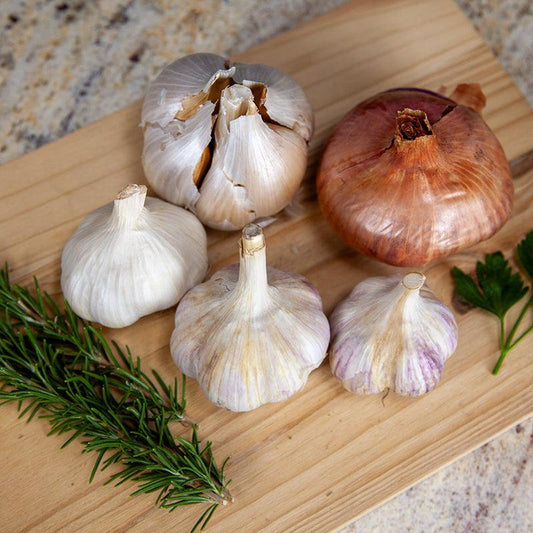
If you're ready to grow elephant garlic, Grow Organic offers quality planting stock for home gardeners.

Conclusion

Successful planting elephant garlic begins with proper spacing. Giving plants enough room improves airflow, encourages larger bulbs, and helps produce healthier plants throughout the season.

Whether you're choosing elephant garlic to plant in garden rows or raised beds, following the recommended spacing for elephant garlic can help you enjoy bigger harvests and better-quality bulbs.


FAQs About Planting and Spacing Elephant Garlic

How far apart should I plant elephant garlic bulbs?
Space cloves 8 to 12 inches apart and rows 18 to 24 inches apart to give the plants enough room to develop large bulbs.
What are common elephant garlic growing mistakes?
Common mistakes include planting cloves too closely together, using poorly drained soil, planting too shallowly, overwatering, and harvesting too early.
Do you plant elephant garlic in the fall?
Yes. Fall is generally the preferred planting time because it allows roots to establish before winter and often results in larger bulbs at harvest.
How do you prepare elephant garlic for planting?
Separate the bulb into individual healthy cloves and discard any damaged, diseased, or soft cloves before planting.
When should you plant elephant garlic?
Plant elephant garlic in the fall, before the onset of hard winter freezes, to allow roots to establish before winter.
Can elephant garlic be grown in containers?
Yes. Elephant garlic can be grown in containers as long as they are deep enough for root development, provide good drainage, and allow adequate spacing between cloves.
How long does elephant garlic take to grow?
Elephant garlic is typically planted in the fall and harvested the following summer, resulting in a growing season of approximately 8 to 9 months, depending on local climate conditions.


Back to blog

Leave a comment

Please note, comments need to be approved before they are published.