Elephant Garlic vs Regular Garlic: Complete Gardening Guide

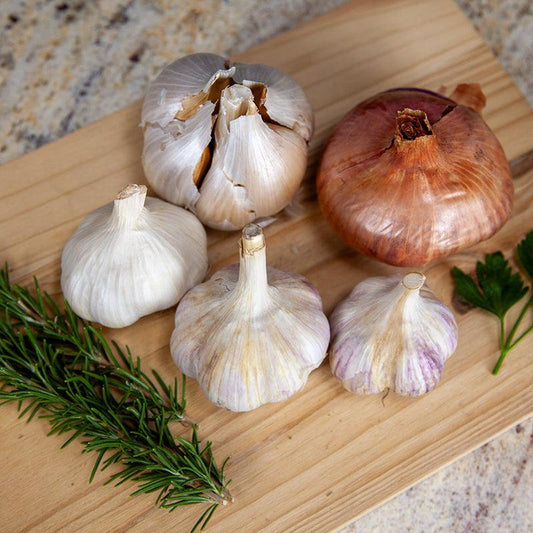
Comparing elephant garlic size vs regular garlic

Elephant Garlic vs Garlic: Everything Gardeners Need to Know About Growing, Harvesting, and Flavor Differences

Gardeners often ask about elephant garlic vs garlic because the two look similar at first glance. Both grow underground bulbs, both have papery skins, and both are planted from individual garlic cloves in the fall or spring, depending on the climate.

However, they are not exactly the same plant. Elephant garlic (Allium ampeloprasum) is a type of allium that is more closely related to leeks than to true garlic. Regular garlic is usually classified as Allium sativum. This botanical distinction is the main difference between garlic and elephant garlic and explains why the two plants differ in both growth habits and flavor.

Another common question is, does elephant garlic taste the same as regular garlic? While the two share a similar appearance, their flavor is quite different. Elephant garlic typically has a much milder, sweeter taste and lacks much of the sharp pungency associated with true garlic, making it a popular choice for gardeners and cooks who prefer a more subtle garlic flavor.

Elephant Garlic vs Garlic: Quick Comparison

If you are comparing elephant garlic vs garlic, the biggest differences are size, flavor, and growth habit.

Feature
Elephant Garlic  Regular Garlic
Botanical Type Allium ampeloprasum Allium sativum
Flavor Mild, sweet, leek-like Strong, sharp, classic garlic
Clove size Very large clove sections Smaller garlic cloves
Bulb size Large garlic bulbs Smaller bulbs
Best use Roasting whole bulbs, soups, sauces, and mild vegetable dishes Sautéing, stir-fries, sauces, marinades, and bold savory dishes

So, is elephant garlic the same as regular garlic? No. They are related, but elephant garlic is not true garlic.

Flavor: Does Elephant Garlic Taste Like Regular Garlic?

Many cooks ask, does elephant garlic taste the same as garlic?

Not quite. Elephant garlic has a mild, sweet flavor. It tastes more like a soft mix of garlic and leek. Regular garlic has a stronger bite.

If you are asking does elephant garlic taste like regular garlic, the answer is yes, but only lightly. It is much milder.

This is the most important difference between elephant garlic and regular garlic in the kitchen.

two people holding elephant garlic and regular garlics

Can You Use Elephant Garlic in Place of Regular Garlic?

Yes, but expect a gentler flavor.

If you wonder, can I use elephant garlic in place of regular garlic, the answer is yes for roasted dishes, soups, spreads, and sauces. It is especially good roasted with olive oil.

For recipes where strong garlic flavor matters, regular garlic is usually better.

Think of elephant garlic compared to regular garlic this way: elephant garlic gives size and mild sweetness, while regular garlic gives sharp flavor.

Growing Elephant Garlic vs Normal Garlic

When comparing elephant garlic vs normal garlic, gardeners will notice that elephant garlic grows much like garlic but often produces bigger plants.

Plant individual cloves in fall in most climates. Choose a sunny spot with loose, well-drained soil. Keep the pointed end up and space cloves well so the large bulbs have room to grow.

Sometimes elephant garlic forms one round single clove bulb in its first season. This is sometimes called solo garlic. If replanted, it may divide into several large cloves the next year.

Elephant garlic can also send up a flowering stalk. Removing it can help the plant send more energy into the bulb.

Close-up of freshly harvested garlic bulbs drying on wooden surface, showcasing organic roots.

Harvesting Elephant Garlic

Harvest when the lower leaves begin to yellow and dry. Use a garden fork to lift the bulbs gently. Do not pull hard by the stem, because the bulb can break away.

After harvest, cure the bulbs in a dry, airy place out of direct sun. Once cured, trim the tops and store them in a cool, dry spot.

Product Spotlight: Elephant Garlic for Gardeners

If you want to grow this mild, oversized allium, browse Grow Organic’s elephant seed garlic collection.

For planting, Elephant Garlic is a great choice for gardeners who want large bulbs, mild flavor, and an easy crop for fall planting.

For step-by-step growing help, read Plant Elephant Garlic for a Big Garden Adventure.

Conclusion

The difference between elephant garlic and garlic comes down to plant type, flavor, and size. Elephant garlic is larger and milder. Regular garlic is smaller and stronger.

For gardeners asking garlic vs elephant garlic, elephant vs regular garlic, garlic elephant vs regular, or difference between regular garlic and elephant garlic, the best choice depends on how you want to use it.

Grow elephant garlic if you want large bulbs and gentle flavor. Grow regular garlic if you want a stronger garlic taste.


FAQs About Elephant Garlic vs Regular Garlic

Is elephant garlic just as healthy as regular garlic?
Elephant garlic is edible and can be part of a healthy diet like other alliums. However, it contains lower levels of the sulfur compounds found in true garlic (Allium sativum), which is why regular garlic has been studied more extensively for its health-related properties.
Can you substitute elephant garlic for regular garlic?
Yes. Elephant garlic can be used as a substitute for regular garlic in most recipes. It has a much milder flavor, so you may need to use larger amounts to achieve a similar garlic taste. It is best suited for cooked dishes rather than strong raw garlic flavor applications.
What is the typical size of an elephant garlic bulb compared to regular garlic?
Elephant garlic produces much larger bulbs than regular garlic. Each bulb can be significantly larger, and its cloves are also fewer but much bigger compared to standard garlic.
Is elephant garlic as good as regular garlic?
It depends on the recipe. Elephant garlic is excellent for roasting, soups, sauces, and other mild dishes where a subtle garlic flavor is preferred. Regular garlic is better when you want a bold, pungent, and aromatic garlic flavor, especially in sautés, marinades, and strongly seasoned dishes.


Back to blog

Leave a comment

Please note, comments need to be approved before they are published.