What Is Elephant Garlic? Origins, Characteristics, and the Truth About Its Identity
Many gardeners first notice this unusual crop because of its enormous bulbs. Seeing one for the first time often leads to questions like what is elephant garlic, is elephant garlic real garlic, and is elephant garlic actually garlic.
The answer is interesting. Although it looks and grows like garlic, it is not considered true garlic from a botanical standpoint. Understanding its background, flavor, and growing habits can help you decide whether it belongs in your garden.

Elephant Garlic Origin: Where Does It Come From?
The origin begins with a plant that is more closely related to leeks than to common garlic.
Botanically, it belongs to Allium ampeloprasum, the same species group as wild leeks. Common garlic belongs to a different species, Allium sativum.
This is one reason gardeners ask, is elephant garlic true garlic. While it is used like garlic in cooking, it is technically a different plant.
What Does Elephant Garlic Look Like?
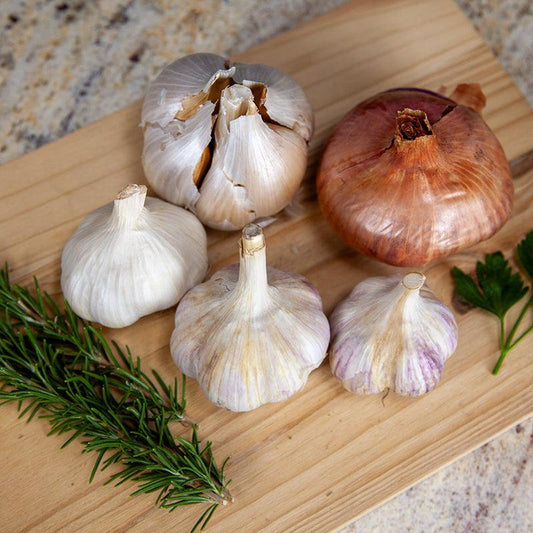
If you've wondered what does it look like, size is the first thing you'll notice.
A mature garlic bulb can be several times larger than standard garlic. The plant produces:
- Large underground bulbs
- Extra large cloves
- Thick stems
- Broad leaves
- Protective papery skins
These oversized elephant garlic bulbs often contain only a few very large individual cloves, making them easier to peel than common garlic.
Is Elephant Garlic the Same as Regular Garlic?
A common question is: Is it the same as regular garlic? No.
The difference between elephant garlic and regular garlic comes down to both genetics and flavor. While common garlic is grown specifically for its strong taste, this larger relative is known for a milder flavor and larger size.
When comparing elephant garlic vs normal garlic, gardeners will notice that the plants also grow taller and produce larger leaves.

Does Elephant Garlic Taste Different?
Flavor is another area where gardeners have questions.
- Does it taste different?
- Does elephant garlic taste like regular garlic?
- Does elephant garlic taste the same as regular garlic?
The answer is no. The flavor is noticeably milder.
Many people describe it as a blend of garlic and leek. It still has a garlic character, but it lacks the strong bite associated with common garlic.
Because of this mild flavor, some gardeners believe it is easier to use in recipes where regular garlic might overpower other ingredients.
Is Elephant Garlic as Good as Regular Garlic?
Whether is it as good as regular garlic depends on what you're looking for. For gardeners who enjoy large harvests and easy-to-peel cloves, it can be an excellent choice. For cooks who want a strong garlic punch, traditional garlic may be preferred. Neither is better. They simply serve different purposes.
Hardneck or Softneck?
Gardeners often ask is elephant garlic hardneck or softneck or elephant garlic soft or hardneck.
Unlike traditional garlic, it does not fit neatly into either category. However, it commonly produces central stems and flower stalks that resemble hardneck varieties. These stems may produce garlic scapes, which are edible and popular in many kitchens.
What to Do With Elephant Garlic
One of the advantages of growing this crop is its versatility. If you're wondering what to do with this garlic, try using it in:
- Roasted vegetable dishes
- Soups
- Mashed potatoes
- Pasta sauces
- Stir fries
Many gardeners enjoy roasting whole bulbs with olive oil, which brings out the crop's natural sweetness.

How to Prepare Elephant Garlic
Another common question is how to prepare this garlic.
Preparation is simple:
- Separate the bulb into cloves.
- Remove the outer papery skins.
- Slice, chop, or roast as desired.
The large clove size often makes kitchen preparation faster than with standard garlic.
Growing Garlic at Home
Many home gardeners enjoy growing garlic, and this crop is often considered beginner-friendly.
Garlic Planting Basics
Successful planting garlic begins with healthy cloves. Choose a sunny location with well-drained soil and plant individual cloves in fall in most climates.
This type of garlic planting generally performs best in regions with cool winters. The plants are relatively cold hardy and adapt well to many cold climates.
If you want to grow elephant garlic, fall planting usually produces the largest bulbs.

What About Colossal Garlic?
You may also see searches comparing colossal garlic vs elephant garlic or colossus garlic vs elephant garlic.
These terms are sometimes used interchangeably in gardening and retail settings, but they are not necessarily the same thing. "Colossal garlic" is often used as a marketing term for exceptionally large bulbs of true garlic (Allium sativum), while elephant garlic belongs to a different species group (Allium ampeloprasum) and is more closely related to leeks than to true garlic. Because "colossal garlic" is not a standardized botanical term, its meaning can vary between sellers.
Different Varieties
Unlike common garlic, there are relatively few named elephant garlic varieties available to home gardeners.
Most differences in bulb size and performance come from growing conditions rather than distinct cultivars.
Product Spotlight: Grow Your Own
If you'd like to try growing this unique crop:
- Browse the Elephant Seed Garlic Collection for planting stock.
-
Elephant Garlic (Lb) produces impressive bulbs with easy-to-peel cloves.
-
Elephant Garlic (Lb) produces impressive bulbs with easy-to-peel cloves.
Resources & Further Reading
Want to explore more about growing, comparing, and harvesting elephant garlic? These helpful guides cover everything from its unique characteristics to successful growing tips:
- When to Harvest Elephant Garlic: Early vs. Late Harvesting and What Happens to Your Bulbs – Learn how to identify the right harvest time, avoid common harvesting mistakes, and improve bulb storage quality.
- Elephant Garlic vs. Regular Garlic: Complete Gardening Guide – Discover the key differences between elephant garlic and true garlic, including size, flavor, growing habits, and culinary uses.
- Elephant Garlic – Find helpful information on planting, growing, and using elephant garlic in your garden and kitchen.
These resources can help you better understand this unique allium, grow healthier plants, and enjoy bigger, more flavorful harvests.
Conclusion
So, what is it?
It is a large-bulbed allium that is more closely related to leeks than common garlic. Although it is not true garlic, it remains a popular garden crop because of its huge bulbs, mild flavor, and easy-growing nature.
Whether you're interested in cooking, gardening, or simply trying something different from the grocery store, this unique allium can be a rewarding addition to your garden.