Turnip vs Radish vs Beet: Understanding the Differences Between Popular Root Vegetables
Choosing between turnips, radishes, and beets can be challenging, especially for new gardeners. These cool-season root vegetables may look similar, but they grow differently, have distinct flavors, and offer unique uses in the kitchen. Turnips are known for their mild, earthy taste, while radishes are valued for their crisp texture and spicy flavor. Beets stand out with their sweet, earthy flavor and vibrant colors.
Whether you're comparing turnip vs radish, radish vs beet, or wondering about daikon vs radish, understanding their differences can help you choose the right crop for your garden. This guide covers how each vegetable grows, tastes, and when to harvest. You'll also explore different types of radishes and different varieties of radishes that can add more color, flavor, and variety to your garden.

Radish vs Beet vs Turnip
When comparing turnip vs radish, radish vs turnip, or radish vs beet vs turnip, gardeners often want to know which root veggies are easier to grow, how they taste, and how they are used in the kitchen.
Turnip vs Radish
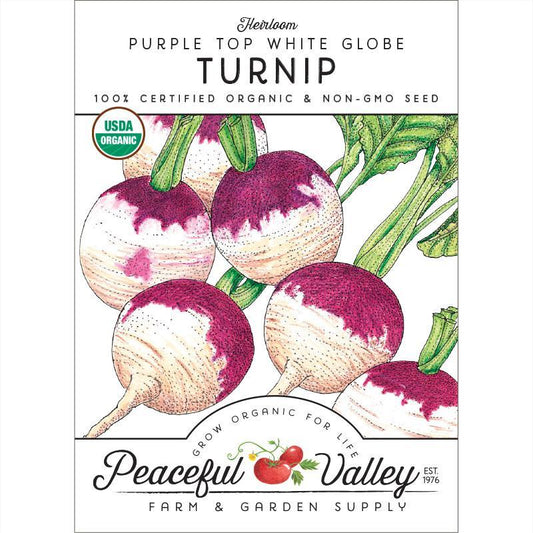
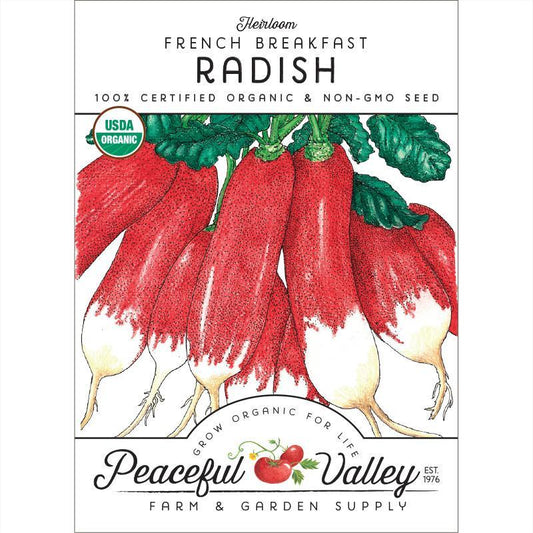
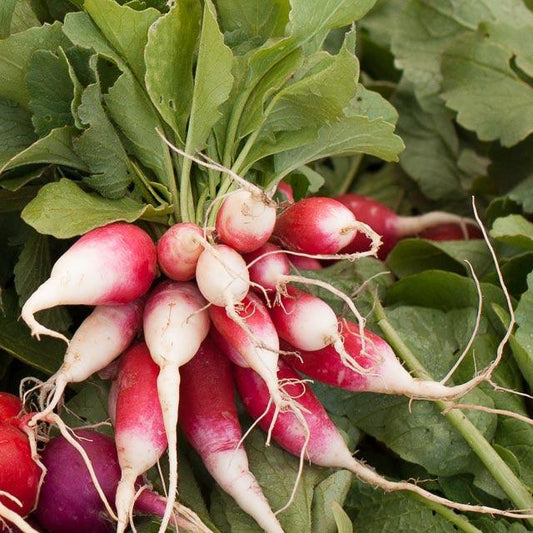
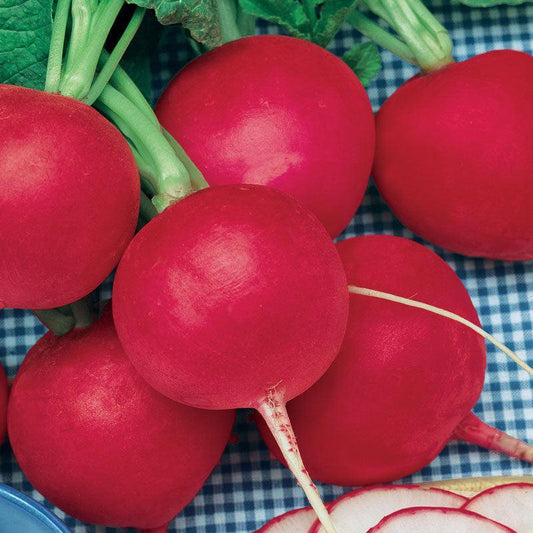
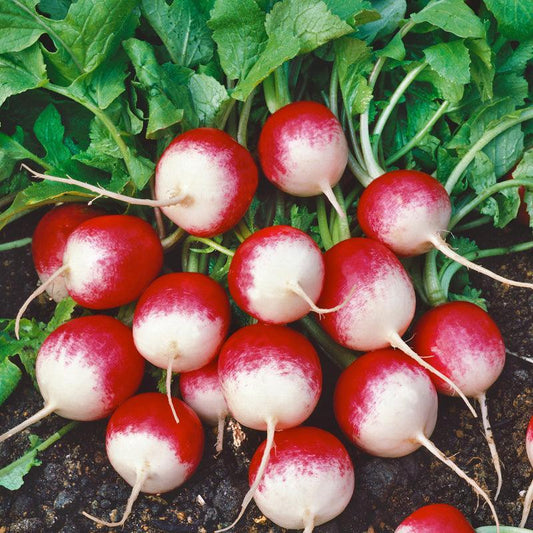
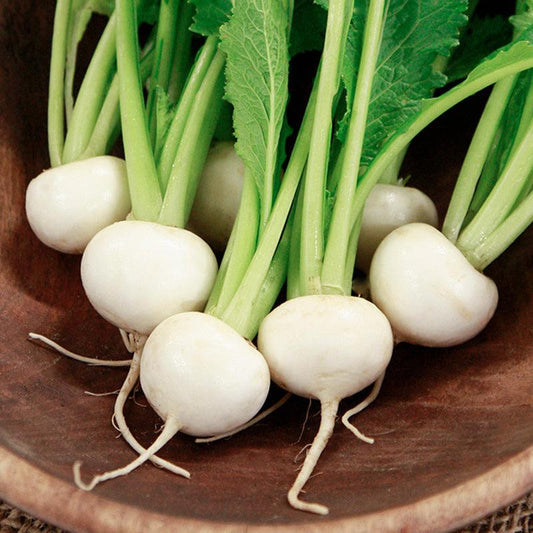
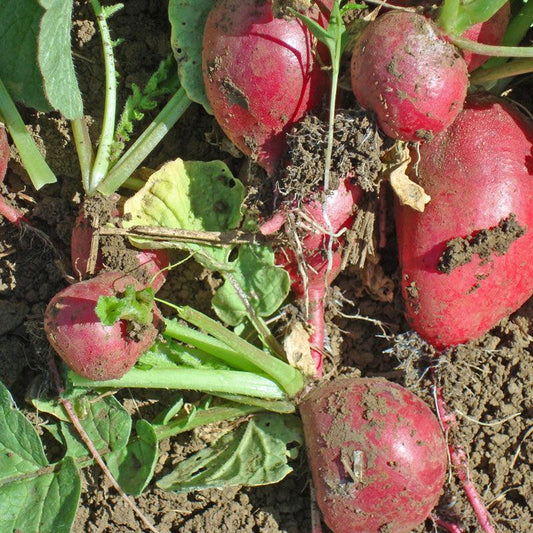
The difference between radish and turnip is easy to see, and understanding the difference between turnip and radish can help gardeners choose the right crop. Radishes are fast growing and can often be harvested in 25 to 35 days. They have a crunchy texture and a peppery taste that can range from mild flavor to a spicy flavor depending on the variety and growing conditions. Popular options include French Breakfast radish and other different types of radishes, different varieties of radishes, and different kinds of radishes.
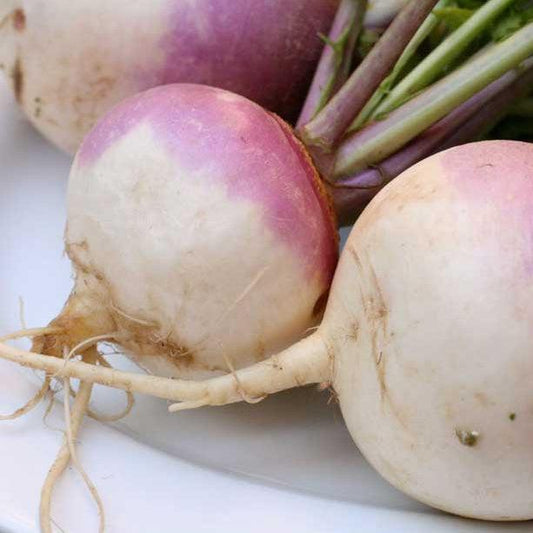
Turnips usually take longer to mature, around 40 to 60 days. They produce mild, slightly sweet roots and edible turnip greens that can be cooked like leafy greens. While radishes are often eaten fresh and thinly sliced into salads, turnips are commonly roasted, mashed, or added as a side dish. Choosing between turnip and radish, turnips vs radish, radish or turnip, or turnip or radish depends on your harvest goals and cooking preferences.
Radish vs Beet
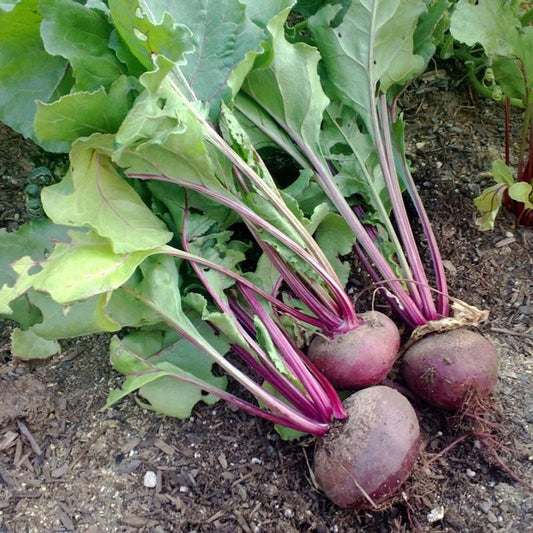
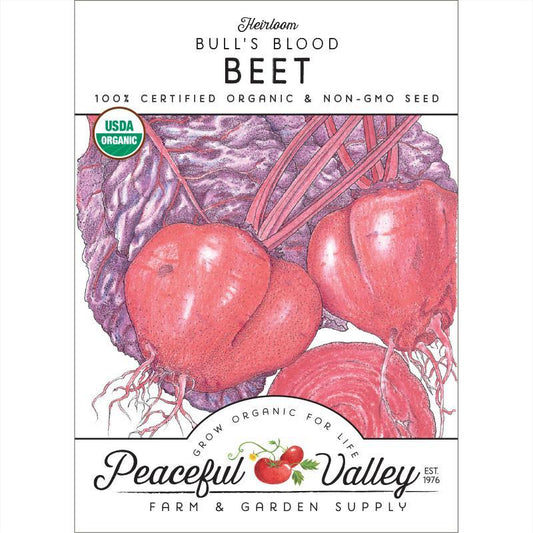
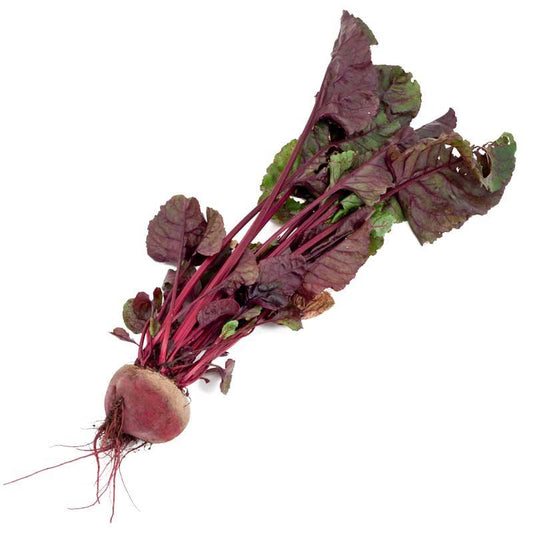
The difference between radish and red beets is mainly seen in their color, texture, and flavor. When comparing beet vs radish, beets vs radish, beets vs radishes, or the difference between beets and radishes, remember that radishes have a crisp, peppery flavor, while beets have a naturally sweet and earthy taste.
Daikon vs Radish
When comparing daikon vs radish or radish vs daikon, it is important to know that daikon is a type of radish. Also called Japanese radish, daikon is a winter radish with a long white root and a milder flavor than many spring radishes.
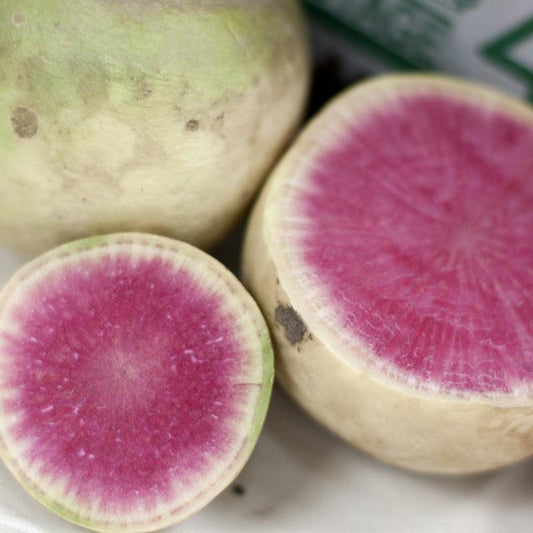
Unlike smaller radish varieties, daikon stays crisp in soups, pickles, and stir fries. Another popular variety is watermelon radish, which has green skin, bright pink flesh, and a sweeter taste. Different radishes offer unique colors, shapes, and flavors, making them a great addition to any radish plant collection.
If you're interested in growing your own, Grow Organic offers Daikon Radish Seeds (Organic) and Watermelon Radish Seeds (Organic). You can also learn how daikon improves soil in the Cover Crop Daikon Radish video.

Featured Grow Organic Products
If you're ready to grow radishes, Grow Organic offers several varieties for every garden. Whether you want a quick spring harvest or larger storage radishes, you'll find seeds to match your needs.
- Browse the Radish Seeds Collection to compare spring, winter, heirloom, and specialty radishes.
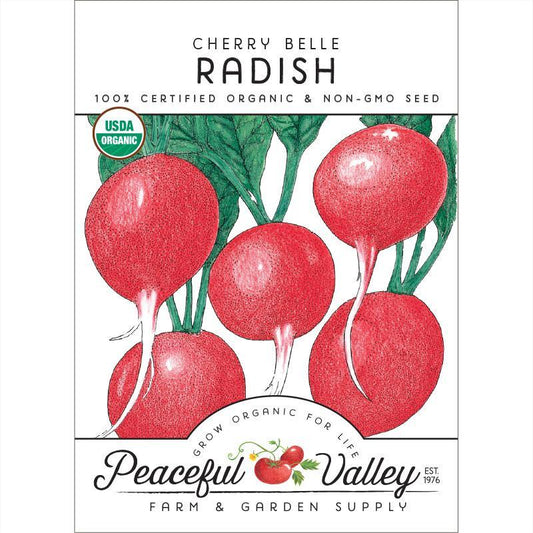
- Cherry Belle Radish Seeds (Organic) are a great choice for beginners because they grow quickly and produce crisp, round roots.
- French Breakfast Radish Seeds (Organic) offer an heirloom variety with a mild, peppery bite.
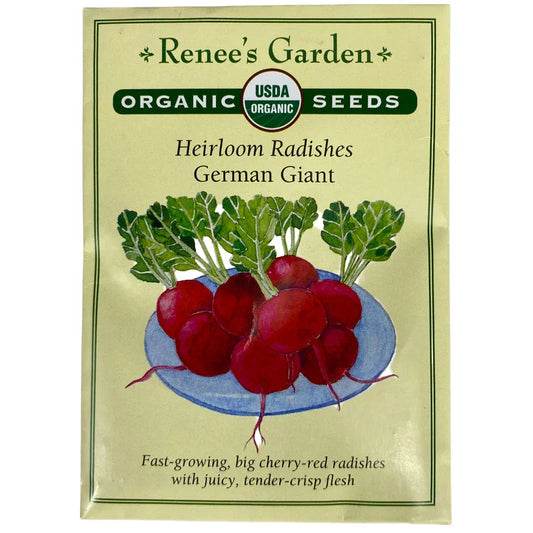
- Organic German Giant Radish produces large, tender roots that stay crisp longer than many spring varieties.
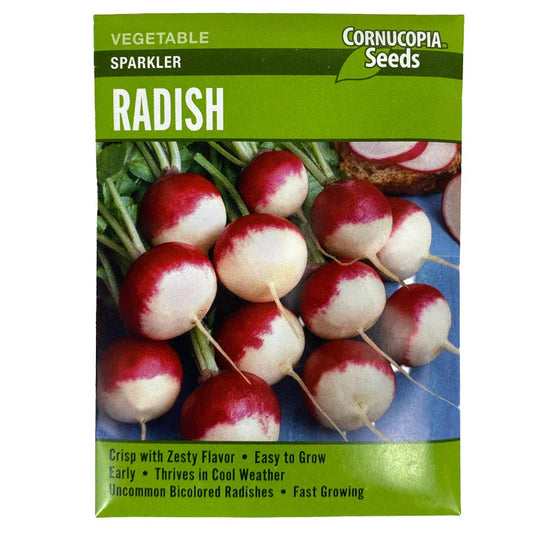
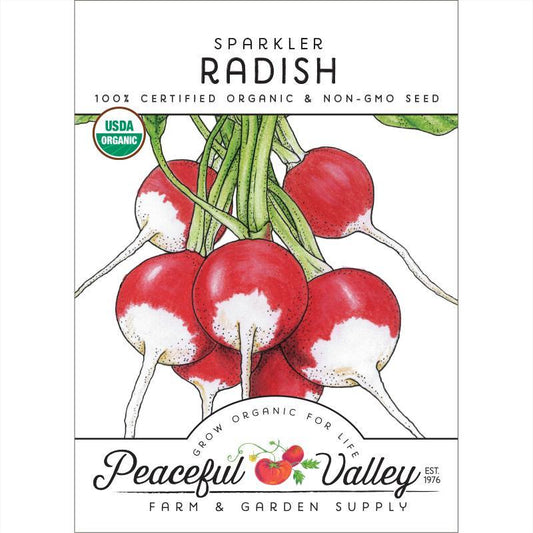
- Organic Sparkler Radish White Top is a dependable choice for cool-season gardens.
- Sparkler Radish Seeds (Organic) and Organic Radish, Sparkler (1/4 lb) are ideal if you're planting larger garden beds.
- Easter Egg Mix Radish Seeds (Organic) and the Organic Radiant Radish Mix Art Pack add colorful harvests to salads.
- Daikon Radish Seeds (Organic) and Organic Radish, Daikon (1/4 lb) are excellent for gardeners interested in growing large winter radishes or improving soil with cover crops.
- Organic Watermelon Radish Art Pack and Watermelon Radish Seeds (Organic) are perfect if you want striking pink roots with a mild flavor.
For more growing advice, read Radishes 101 and watch the Growing Radishes video before planting.
Conclusion
When comparing turnip, radish and beet, there isn't one vegetable that is best for every garden. Each has its own benefits as a cool-season crop.
Radishes are beginner-friendly root veggies because they grow quickly and can often be harvested within a few weeks. Turnips provide mild, versatile roots and edible greens, while beets produce sweet, nutritious roots that can be stored after harvest.
Whether you're choosing between radishes vs turnips, turnips vs radish, or radish or turnip, growing more than one crop can help you enjoy a longer harvest season and a wider range of flavors.
Exploring different kinds of radishes can also add variety to your garden with different colors, shapes, and tastes. With healthy soil, consistent watering, and proper harvesting, all three are excellent choices for a cool-season vegetable garden.