
Black Turtle Beans Guide: How They Grow & Why They're Loved
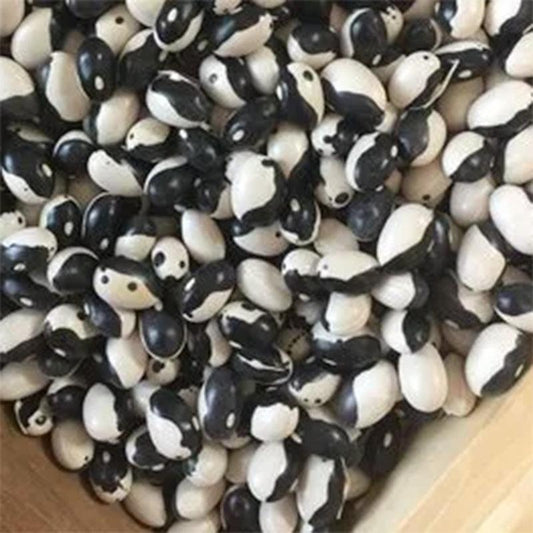
If you’ve cooked a pot of black bean chili or ordered frijoles negros, you’ve met black turtle beans, even if the label just said “black beans.” People search what are black turtle beans because the names can get confusing. In plain terms, black beans black turtle beans are closely related: black turtle beans are a small, shiny type of the common beans species Phaseolus vulgaris, which is native to the Americas.
If you want to grow them, start with Black Turtle Bush Bean Seeds (Organic) and explore other bean seeds in our bean seeds collection.

Black Turtle Beans vs Black Beans: Are They the Same?
Gardeners often ask: black turtle beans vs black beans, black beans vs black turtle beans, and are black turtle beans the same as black beans. Here’s the practical answer: black turtle beans are commonly sold as black beans, but “black bean” can also refer to other black-colored bean types, so names can overlap.
That’s why you’ll also see searches like turtle beans vs black beans, turtle black beans vs black beans, are black beans and black turtle beans the same, are black beans the same as black turtle beans, and the difference between black beans and black turtle beans. In most home cooking, they work the same, especially once cooked into beans soup or burritos.
Growing Black Turtle Beans at Home
To grow black turtle beans, wait until all risk of spring frost has passed. Beans germinate best when soil temperatures are consistently above 60°F, and they need full sun for strong growth.
For planting black turtle beans, sow seeds about 1 inch deep in warm soil. If you’re wondering how do black turtle beans grow or how to grow black turtle beans, think of a simple pattern: quick germination, fast flowering, then pods that dry down on the plant. Most black turtle beans are bush types, so no trellis is required.
Soil requirements
- Prefer well-drained soil; avoid heavy or waterlogged ground
- Grow best in moderately fertile soil with a neutral pH (around 6.0–7.0)
- Loosen soil before planting to support good root development
Water needs
- Keep soil evenly moist, especially during flowering and pod development
- Avoid overwatering, which can lead to root issues and reduced yields
- Mulch helps retain moisture and regulate soil temperature
Fertilization
- Beans fix their own nitrogen and usually need little fertilizer
- Excess nitrogen can promote leafy growth at the expense of pods
- If soil is poor, a light application of compost before planting is sufficient
Seasonal care
- Weed gently to avoid disturbing shallow roots
- Monitor plants during bloom and pod fill, when stress can reduce harvests

Harvesting as a dry bean (or as green beans)
Black turtle beans are often grown as a dry bean. Let pods dry on the plant until they’re tan and brittle, then finish drying under cover if weather is wet. Expect roughly 90–110 days to dry-bean harvest, depending on conditions.
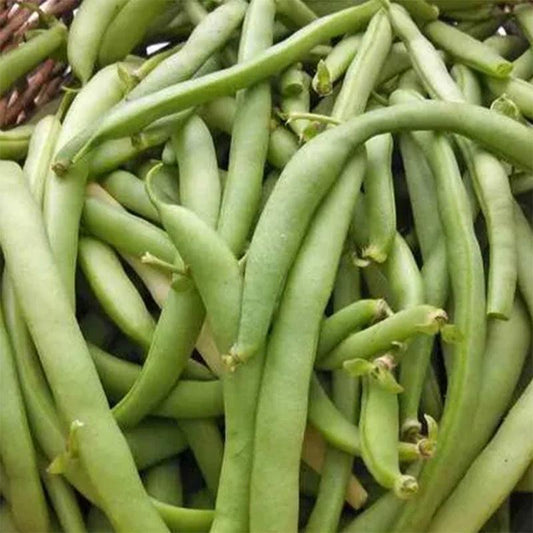
You can also pick some pods young like green beans, but most gardeners let them mature into dried black beans for storage.
For more support, our bean growing guide and how to grow beans article go deeper. If you’re gardening in small spaces, see urban gardening with beans or innovative vertical gardening techniques for beans.
For planning, companion planting for thriving bean crops and climate-resilient bean farming practices are useful, and exploring unique bean varieties is a fun way to choose your next grow.
Popular Uses in the Kitchen
Black turtle beans have a dense, “meaty” texture that holds up well in stews and rice dishes.
They’re a staple in Latin American cooking, from frijoles negros to black bean bowls, and they shine in beans soup and veggie burgers.
Conclusion
If you want a reliable pantry crop, black turtle bean seeds are a great first choice for growing dry beans.
Plant them after the risk of spring frost has passed, sow about 1 inch deep once the soil has warmed, provide full sun, and allow the pods to fully dry on the plant for a true dry bean harvest.